current location : home

How Motors Achieve Low Outgassing in Vacuum Environments

Motors achieve low outgassing in vacuum environments primarily through material selection, manufacturing processes, and specialized designs aimed at reducing or capturing the release of internal gases. The following are key technologies and measures for implementing vacuum motors:

Material Selection: Low Outgassing Materials

Structural Materials: Use low-outgassing metals or inorganic materials such as stainless steel and ceramics, avoiding high-volatility materials like plastics and rubber.

Insulating Materials: Employ vacuum-grade insulating materials like polyimide and polytetrafluoroethylene (PTFE) to minimize the release of organic gases.

Lubricants: Use vacuum-compatible lubricants such as perfluoropolyether (PFPE) or molybdenum disulfide, avoiding the volatilization of traditional greases.

Adhesives and Sealants: Choose low-outgassing sealants like epoxy resins and silicones.

Manufacturing Processes: Reducing Contaminants

Cleaning Processes: Utilize ultrasonic cleaning and plasma cleaning to remove oils and particles.

Vacuum Baking: Perform high-temperature vacuum baking (e.g., 150–300°C) on components before assembly to pre-release gases.

Oxygen-Free Encapsulation: Assemble in an inert gas environment to reduce adsorbed gases.

Specialized Design: Isolating Gas Release

Sealed Design:

Fully Sealed Motors: Use metal welding or ceramic seals to completely isolate internal gases.

Vented Design: Utilize microporous structures for slow gas release, preventing sudden outgassing from affecting vacuum levels.

Internal Adsorption Design: Place getters (e.g., zirconium-aluminum alloy) inside the motor to actively adsorb residual gases.

Thermal Management Optimization: Heat dissipation is challenging in vacuum environments. Design effective thermal conduction paths (e.g., metal substrates) to prevent overheating and material outgassing.

Testing and Validation

Outgassing Rate Testing: Measure the motor's Total Mass Loss (TML) and Collected Volatile Condensable Materials (CVCM) using mass spectrometers.

Long-Term Vacuum Operation Testing: Simulate actual operating conditions to ensure motor stability in a vacuum.

Application Scenarios

Spacecraft: Attitude control motors, solar array drive motors.

Vacuum Equipment: Motors for semiconductor coating machines, particle accelerators, and vacuum pump drives.

Scientific Instruments: Precision adjustment motors for electron microscopes and space telescopes.

Challenges and Considerations

Lubrication Challenges: Lubricants can easily volatilize or solidify in a vacuum, necessitating space-grade lubrication solutions.

Heat Dissipation Limitations: The absence of convective cooling requires reliance on thermal conduction or radiation design.

High Costs: Low-outgassing materials and specialized processes increase manufacturing costs.

Through the comprehensive measures outlined above, motors can achieve low outgassing in vacuum environments, meeting the stringent requirements of high-vacuum systems for gas release and ensuring long-term, stable operation of equipment.

...

How to Optimize Heat Dissipation Design for Linear Modules in High and Low Temperature Environments?

To optimize heat dissipation for Linear modules in high and low temperature environments, a comprehensive approach must be taken across five dimensions: material selection, structural design, heat dissipation methods, temperature control, and environmental adaptability. The specific strategies are as follows:


1、High Thermal Conductivity Materials and Interface Optimization

Core Material Upgrades

Use aluminum nitride (AlN, thermal conductivity ~200 W/m·K) or graphene composite materials as substrates, replacing traditional alumina ceramics to improve thermal conductivity by over 5 times.

Select interface materials such as thermal paste (thermal conductivity ≥3.3 W/m²·K) or thermal gel (≥3 W/m²·K), ensuring the contact area between the module and the heat sink covers at least 70% of the chip area to eliminate air gaps (thermal conductivity of air: ~0.026 W/m·K).

Low-Temperature Environment Adaptation

Use solid-state electrolytic capacitors instead of liquid capacitors to avoid performance degradation at low temperatures. Increase startup capacitor capacity or add parallel MLCCs (multilayer ceramic capacitors) to enhance startup current in low temperatures.

Select wide-temperature-range components (e.g., chips operating from -40°C to 125°C) to prevent performance degradation in low temperatures.


2、Innovative Heat Dissipation Structural Design

Heat Pipe and Vapor Chamber Technology

Heat pipes should adopt a flattened design (thickness ≥1.5 mm), avoiding excessively small bending radii (recommended R ≥ 3 times the heat pipe diameter) to minimize thermal resistance.

Vapor chambers (VCs) use internal conductive textures to expand the heat exchange area, allowing heat from high-temperature areas to be uniformly conducted in vapor form.

Fin and Airflow Optimization

Fins should be oriented in the direction of the fan airflow to reduce wind resistance. The number and height of fins should be adjusted based on power density.

Design independent airflow channels to ensure cold air flows through the core area of the module and hot air is efficiently expelled.


3、Active Heat Dissipation and Intelligent Temperature Control

Multi-Mode Heat Dissipation Systems

Air Cooling: Use axial fans or blower fans (centrifugal blowers) with dynamically adjustable speeds based on temperature.

Liquid Cooling: For high-power Linear modules, adopt a "cold plate + circulation pump" system that uses phase-change fluid cycles to dissipate heat, improving efficiency by over 50% compared to air cooling.

Hybrid Cooling: Combine heat pipes, fins, and fans to achieve efficient heat dissipation.

Intelligent Temperature Control

Embed negative temperature coefficient (NTC) thermistors or digital temperature sensors to monitor chip temperature in real time.

Dynamically adjust loads or heat dissipation strategies based on temperature thresholds.


4、Enhanced Environmental Adaptability

Protection Against Extreme High and Low Temperatures

High Temperatures: Allow sufficient temperature margins for components and select high-temperature-tolerant devices. Use multiple devices in parallel to distribute heat and avoid single-point overheating.

Low Temperatures: Use low-temperature solder to ensure reliable solder joints even below -40°C. Avoid concentrated thermal stress by dispersing heat sources in PCB layouts and reducing mechanical stress damage caused by material expansion and contraction.

Protective Structure and Sealing Design

Module housings should use stainless steel materials with fully sealed structures, achieving electromagnetic shielding effectiveness (SE) of ≥40 dB to withstand strong interference in the 30 MHz–1 GHz frequency range.

Critical interfaces should use waterproof connectors (IP65 rating) and shock-absorbing pads (silicone material) to withstand vibrations of 10–2000 Hz and 10g acceleration, preventing loose connections or chip solder joint detachment.


5、Simulation and Testing Verification

Thermal Simulation Optimization

Use software such as FloTHERM for transient thermal analysis to simulate the thermal distribution of Linear modules at different temperatures and optimize heat dissipation structures.

High and Low-Temperature Aging Tests

Place Linear modules in high-low temperature test chambers and perform cyclic tests from -40°C to 85°C to verify their startup performance, output stability, and lifespan under extreme temperatures.


...

What are the performance differences between high and low temperature Linear modules and ordinary Linear modules?

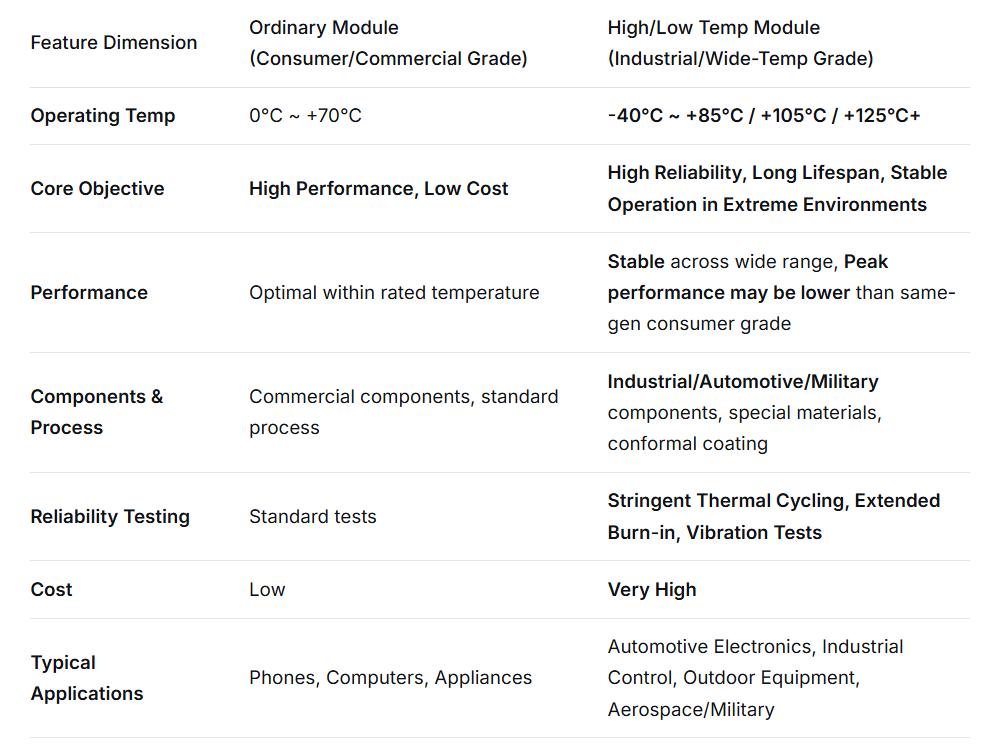
The performance differences between high/low temperature Linear modules (typically referred to as industrial-grade or wide-temperature-range modules) and ordinary Linear modules (typically consumer-grade or commercial-grade modules) stem from their distinct design goals and intended operating environments.

Simply put, high/low temperature Linear modules sacrifice peak performance and power efficiency in exchange for stability, reliability, and long-term lifespan under extreme temperatures.

Below is a detailed comparison across several key dimensions:

1. Operating Temperature Range (The Core Difference)

Ordinary Linear Modules: Typically designed to operate within the commercial temperature range of 0°C to +70°C. This covers the environment for most consumer electronics (e.g., phones, computers, home appliances).

High/Low Temperature Linear Modules: Have a much wider operating temperature range, commonly including:

Industrial Grade: -40°C to +85°C

Automotive Grade: -40°C to +105°C (or even higher, with more stringent requirements)

Military/Aerospace Grade: -55°C to +125°C or wider.

Some specialized Linear modules can even operate in cryogenic environments below -100°C or high-temperature environments above +200°C.

2. Performance Stability and Reliability

Ordinary Linear Modules: Perform to specification within their rated temperature range. Performance can degrade sharply outside this range, potentially leading to timing errors, data loss, or even physical damage (e.g., electrolytic capacitor failure). Their design lifespan is typically a few years.

High/Low Temperature Linear Modules:

Low-Temperature Performance: At extremely low temperatures, carrier mobility in standard semiconductors decreases, reducing performance. These Linear modules employ special circuit design, component screening, and material selection to ensure normal startup and operation.

High-Temperature Performance: At high temperatures, component leakage current increases and heat dissipation becomes difficult, which can lead to thermal runaway. These Linear modules use high-temperature-resistant semiconductor processes, highly stable passive components (e.g., tantalum capacitors, ceramic capacitors), and rigorous thermal design.

Thermal Cycling Endurance: They must withstand repeated shocks from extreme cold to extreme heat, posing a significant challenge to the integrity of solder joints and packaging materials. They undergo strict thermal cycling tests.

3. Component Screening and Manufacturing Process

Ordinary Linear Modules: Use commercial-grade chips and components with standard production processes aimed at reducing cost and increasing yield.

High/Low Temperature Linear Modules:

Chip Level: Use industrial-grade, automotive-grade, or military-grade core chips (e.g., MCUs, memory, power ICs). These chips undergo stricter testing and screening at the wafer production stage to eliminate units with poor performance under extreme temperatures.

Component Level: Use exclusively wide-temperature-range passive components (resistors, capacitors, inductors), connectors, and PCB materials (e.g., high Tg laminates).

Process Level: May employ Conformal Coating for protection against moisture, corrosion, and salt spray. Higher standards for soldering processes are required to prevent cold joints.

4. Peak Performance and Power Consumption

Ordinary Linear Modules: To pursue high performance (high clock speed, high bandwidth, low latency), they often use more advanced manufacturing processes and aggressive power designs, offering the best experience at room temperature.

High/Low Temperature Linear Modules: Often operate at "downclocked" speeds or use more conservative designs.

Advanced processes can suffer from increased leakage current at high temperatures, so sometimes more mature but stable processes are preferred.

To control total power consumption and heat generation at high temperatures, their rated maximum operating frequency (e.g., CPU clock speed) may be lower than that of their consumer-grade counterparts.

In short: At room temperature, an ordinary module of the same technology generation may outperform a high/low temperature module in terms of speed.

5. Cost and Price

Ordinary Linear Modules: Cost-effective, competitively priced.

High/Low Temperature Linear Modules: Highly expensive. Reasons include:

The wide-temperature-range chips and components themselves are costly.

More complex material management and production processes.

Extremely rigorous testing (thermal cycling, extended burn-in, etc.) increases time and capital costs.

Their price can be several times to tens of times higher than that of ordinary Linear modules.

Application Scenario Comparison

Ordinary Linear Modules: Indoor electronics, office equipment, personal consumer electronics, general networking equipment.

High/Low Temperature Linear Modules:

Industrial: Outdoor industrial control, automation equipment (e.g., polar research stations, steel plants), power inspection, oil & gas exploration.

Automotive: Engine Control Units (ECUs), in-vehicle infotainment systems, autonomous driving sensors (mounted outside the vehicle, exposed to heat and cold).

Military/Aerospace: Satellites, missiles, radar, field communication equipment.

Medical: Certain in-vitro diagnostic equipment, low-temperature storage monitoring.

Outdoor: Base stations, surveillance cameras (outdoor models), drones (used for polar or desert research).

Summary Table

 differences between high and low temperature Linear modules and ordinary Linear modules

Conclusion:

The choice of module depends entirely on the application scenario. If your device operates in a climate-controlled indoor environment, ordinary Linear modules offer the best value. If your device needs to be deployed in a desert in summer, the Arctic in winter, a moving vehicle's engine bay, or the harsh environment of space, then high/low temperature Linear modules are fundamental to ensuring system survival and functionality. Their value far exceeds what performance specifications alone can measure.

...

At What Cooling Capacity Should You Choose a Screw-Type Air-Cooled Heat Pump

In the HVAC industry, screw-type air-cooled heat pumps are known for their stable performance and high efficiency, making them ideal for medium to large-scale cooling applications. However, they are not suitable for every project size. To truly benefit from their performance and efficiency, the system’s cooling capacity must reach a certain threshold — below which the investment may not be cost-effective, and above which the screw compressor’s advantages fully emerge.

Hstars industrial HVAC system screw chiller vs scroll chiller


Finding the Efficiency Threshold

The performance benefits of screw-type compressors become evident once the cooling load surpasses a specific level.
Compared with scroll compressors, a screw unit can handle larger capacities without multiple compressors running in parallel, reducing footprint, start-stop losses, and energy decay. Compared with reciprocating compressors, it offers higher energy efficiency and smoother capacity control under fluctuating loads.
This cooling capacity threshold marks the turning point where the system transitions from “overbuilt and uneconomical” to “efficient and well-matched.” Below it, you risk overspending; above it, you unlock the optimal balance between performance and cost.

Applications in Commercial Buildings

Once cooling capacity exceeds this threshold, the system adaptability of screw-type air-cooled heat pumps improves dramatically.
• In office buildings, their stepless slide-valve control can precisely follow cooling load variations during working hours.
• In three-star hotels or above, the low-noise operation of screw compressors ensures a quiet and comfortable environment.
• For medium-sized shopping centers, their robust pressure design handles complex piping systems effectively, minimizing leakage and improving reliability.

Applications in Industrial Facilities

In industrial environments, the benefits of screw-type heat pumps are even more pronounced:
• For electronics and precision instrument workshops, the rapid response and stable operation help maintain temperature consistency during intermittent processes.
• In food processing plants (such as dairy or bakery facilities), screw-type units support strict cold chain requirements with precise temperature control.
• For medium-sized data centers, the long maintenance cycle reduces downtime risks and enhances operational reliability.

When a Screw-Type Heat Pump Isn’t Ideal

If the cooling demand falls below this critical threshold—such as in convenience stores or small offices—a screw-type system may not be the right fit. Its higher initial cost and larger footprint can lead to unnecessary energy loss, the equivalent of “using a race car for city traffic.”
Conversely, for super-large facilities like massive commercial complexes or industrial parks, multiple screw units can meet the capacity demand, but centrifugal chillers often outperform them in full-load energy efficiency and total lifecycle cost.

Low-Temperature Environments

In regions where ambient temperatures are low and heating loads are high, screw-type air-cooled heat pumps with economizer (EVI) technology are recommended. They maintain excellent heating capacity at low temperatures, prevent defrost inefficiency, and ensure stable winter operation.

Conclusion

Screw-type air-cooled heat pumps are most suitable for medium-scale projects—where cooling demand exceeds a defined lower limit and where efficiency, stability, and adaptability matter most.
When selecting a unit, start by confirming your cooling load, then evaluate environmental factors such as noise, pressure, and temperature stability, along with your budget.
A properly matched screw system not only delivers optimal performance but also achieves long-term energy savings and operational reliability.


...

Is Ice Storage Only for Peak Shaving How All-in-One Units Save More

Traditionally, ice storage systems are perceived mainly as tools for peak shaving, balancing electricity loads on the grid. However, H.Stars Group has redefined this concept with its ice storage all-in-one unit, offering diverse applications and greater economic efficiency.


Energy-efficient HVAC solution Cost-saving cooling technology Ice storage system


Beyond Peak Shaving: Precision Cooling for Industry

The ice storage all-in-one unit is not limited to grid management. In industrial cooling processes, it precisely controls water temperature, ensuring stable operation for temperature-sensitive stages, improving product quality and production efficiency.
For HVAC systems, it operates by producing ice during night-time low electricity periods and releasing the stored cooling during daytime peaks. This reduces operating costs while enhancing indoor climate stability and comfort.

Cost-Efficient Integrated Design

Unlike traditional systems requiring multiple separate devices, the all-in-one design integrates various functions into a single unit. This reduces equipment footprint, installation, commissioning, and maintenance costs. Companies no longer need to invest heavily in high-capacity chillers, significantly lowering upfront construction expenses.

Economic and Practical Advantages

The economic benefits extend beyond peak electricity savings. The integrated design streamlines operations, reduces management complexity, and maximizes efficiency for both industrial and commercial applications. Whether pursuing energy savings or improving HVAC comfort, H.Stars’ ice storage all-in-one unit offers a reliable, cost-effective solution, leading the cooling industry toward smarter, more efficient technologies.


...

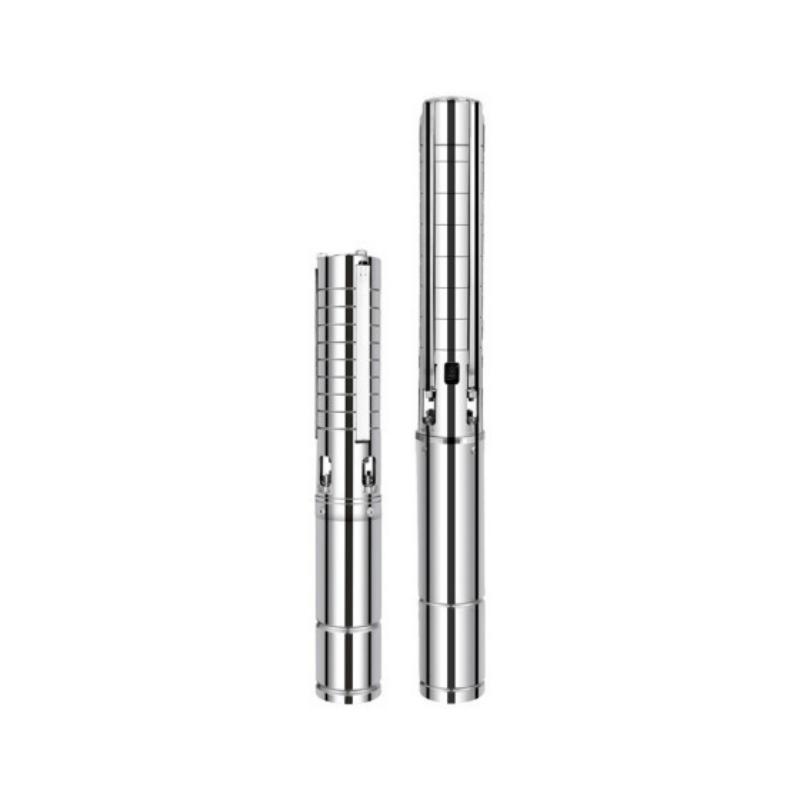
How do deep well submersible pumps achieve deep water extraction? A detailed breakdown of mechanisms


A Comprehensive Overview of Deep Well Submersible Pump Mechanisms


Table of Contents

1. Introduction to Deep Well Submersible Pumps 

2. Understanding Submersible Pumps

3. Types of Deep Well Submersible Pumps

4. Key Components of Deep Well Submersible Pumps

5. Working Principle of Deep Well Submersible Pumps

6. Advantages of Using Deep Well Submersible Pumps

7. Applications of Deep Well Submersible Pumps

8. Maintenance Tips for Deep Well Submersible Pumps

9. Common Issues and Troubleshooting

10. Conclusion

11. FAQs


1. Introduction to Deep Well Submersible Pumps


Deep well submersible pumps are crucial components in various applications, particularly in agriculture, municipal water supply, and industrial processes. These pumps are designed to function underwater, making them highly efficient for extracting water from deep aquifers. This article delves into the mechanisms, types, components, and applications of these vital devices, offering insights into how they operate, their benefits, and maintenance considerations.


2. Understanding Submersible Pumps


Submersible pumps are specialized devices that operate submerged in the fluid they are pumping. Unlike standard pumps that require a suction mechanism, submersible pumps push fluid to the surface, eliminating the need for priming and reducing the risk of cavitation. Their design allows for efficient water movement from deep wells, making them indispensable in numerous sectors.


2.1 Key Features of Submersible Pumps

- Efficiency: Submersible pumps are designed to deliver high efficiency in water extraction.

- Durability: Constructed from robust materials, these pumps withstand harsh conditions.

Space-Saving Design: Their compact construction allows installation in narrow or limited spaces.


3. Types of Deep Well Submersible Pumps


Deep well submersible pumps can be categorized based on various factors, including design, application, and operation. The following are the primary types:


3.1 Vertical Turbine Pumps

Vertical turbine pumps consist of multiple impellers stacked vertically. They are suitable for deep wells and can handle large volumes of water efficiently.


3.2 Borehole Pumps

Borehole pumps are specifically designed for deep wells. They are typically smaller in diameter, making them ideal for narrow boreholes.


3.3 Multistage Pumps

Multistage submersible pumps utilize multiple impellers to increase pressure, making them suitable for applications requiring high discharge pressures.


4. Key Components of Deep Well Submersible Pumps


Understanding the components of deep well submersible pumps is essential for comprehending their operational efficiency. Key components include:


4.1 Motor

The motor powers the pump and is typically sealed to prevent water ingress. These motors are designed for high torque and efficiency.


4.2 Impellers

Impellers are vital in creating flow and pressure. The design and material of the impellers affect performance and durability.


4.3 Diffusers

Diffusers control the flow of water and help convert kinetic energy from the impellers into pressure.


4.4 Shaft

The shaft connects the motor to the impellers, transmitting power necessary for operation.


4.5 Bearings

Bearings support the shaft, ensuring smooth rotation and minimizing friction. They are crucial for longevity and efficiency.


5. Working Principle of Deep Well Submersible Pumps


Deep well submersible pumps operate on a straightforward principle. The motor, located at the bottom of the pump, drives the impellers, which draw water into the pump. As the impellers rotate, they push the water through the diffusers, increasing its pressure. The pressurized water is then forced up through the discharge pipe to the surface.

The unique design of these pumps allows them to function effectively even in deep wells where atmospheric pressure might limit the performance of surface pumps.


6. Advantages of Using Deep Well Submersible Pumps


Utilizing deep well submersible pumps offers several advantages:


6.1 Enhanced Efficiency

Submersible pumps are inherently more efficient than surface pumps due to their design, which eliminates air entrapment and cavitation.


6.2 Space-Saving

Their compact design allows for installation in limited spaces, making them ideal for various applications.


6.3 Reduced Noise Levels

Operating underwater significantly reduces noise, making them suitable for residential areas.


6.4 Longer Lifespan

Due to their robust construction and sealed motor design, these pumps often have a longer operational lifespan compared to conventional pumps.


7. Applications of Deep Well Submersible Pumps


Deep well submersible pumps find applications in various sectors, including:


7.1 Agricultural Irrigation

Farmers utilize these pumps to extract groundwater for irrigation purposes, ensuring efficient water supply to crops.



7.2 Municipal Water Supply

Cities employ deep well submersible pumps for public water supply systems, ensuring a constant flow of clean water.



7.3 Industrial Processes

Industries rely on submersible pumps for cooling, process water, and wastewater management.



8. Maintenance Tips for Deep Well Submersible Pumps


To ensure the longevity and efficiency of deep well submersible pumps, regular maintenance is critical. Here are some maintenance tips:


8.1 Regular Inspections

Conduct periodic inspections to check for wear and tear on components, especially impellers and bearings.


8.2 Monitor Performance

Keep an eye on the pump's performance metrics, including flow rate and pressure, to identify any deviations that might indicate issues.


8.3 Check Electrical Connections

Ensure that all electrical connections are secure and free from corrosion to prevent any operational failures.


8.4 Cleanliness

Maintain cleanliness around the pump area to prevent debris from entering the system, which can cause blockages and damage.


9. Common Issues and Troubleshooting


Understanding potential issues with deep well submersible pumps can help in timely troubleshooting. Some common problems include:


9.1 Loss of Prime

If the pump loses prime, it may be due to air leaks or a blocked intake. Checking seals and cleaning the intake can resolve this issue.


9.2 Overheating

Overheating can occur due to a malfunctioning motor or insufficient cooling. Ensure proper ventilation and motor functionality.


9.3 Vibrations

Excessive vibrations may indicate misalignment or wear. Regularly check and align the pump components to minimize vibrations.


10. Conclusion


Deep well submersible pumps play a pivotal role in water extraction across various industries. Their efficient design, combined with advanced technology, enables them to operate effectively in challenging conditions. Understanding their mechanisms, components, and maintenance requirements is essential for ensuring optimal performance and longevity. With proper care, these pumps can continue to serve essential functions for years to come.


11. FAQs


What is a deep well submersible pump?


A deep well submersible pump is a type of pump designed to be submerged in water, which efficiently extracts groundwater from deep wells.


How does a submersible pump work?


The pump's motor drives the impellers, which push water through diffusers, creating pressure that forces water to the surface.


What are the main advantages of submersible pumps?


Submersible pumps are efficient, space-saving, quieter, and generally have a longer lifespan compared to surface pumps.


What maintenance is required for deep well submersible pumps?


Regular inspections, monitoring performance, checking electrical connections, and maintaining cleanliness are essential for effective maintenance.


Can I use a submersible pump for irrigation?


Yes, deep well submersible pumps are commonly used for agricultural irrigation due to their ability to draw water from deep aquifers efficiently.

...
How to choose between different forged wheel finishes?

The finish you select for your forged wheels profoundly impacts not just their appearance, but also their maintenance requirements and long-term durability. Making an informed choice ensures your investment continues to enhance your vehicle's look and performance for years to come.


Exploring Popular Forged Wheel Finishes:

  • Machined Face Finish: This process highlights the wheel's natural aluminum beauty with precise, clean-cut lines. It offers a modern, technical look and is relatively easy to maintain, making it a popular choice for daily drivers and performance enthusiasts.

Black machined face wheel

  • Polished Aluminum Finish: Achieved through intensive buffing, polished forged wheels deliver a stunning, mirror-like shine that’s synonymous with luxury and classic custom vehicles. However, to prevent oxidation and maintain their brilliant luster, they require dedicated, regular care.

Polished car wheel rim

  • Painted Finishes: From subtle satin blacks to vibrant custom hues, painted forged wheels offer virtually unlimited customization possibilities. A high-quality paint job provides excellent color consistency and, when combined with a clear coat, robust corrosion protection for a sleek, OEM-plus appearance.

Glossy black wheel

  • Brushed Finish: Achieved through a precise, directional abrasion technique, the brushed finishing process creates distinctive, linear satin textures on the forged aluminum surface. This results in brushed forged wheels that exhibit a sophisticated, understated metallic luster, emphasizing the material’s natural character while effectively concealing minor surface scratches and wear. With its combination of elegant visual depth and practical durability, the brushed finish offers an ideal balance between refined aesthetics and everyday resilience, making it a preferred choice for enthusiasts seeking a timeless, low-maintenance look.

Brushed red wheel

Choosing the Right Finish for You:
Your decision should balance aesthetics with practicality. Consider your local climate—coastal owners may prioritize maximum corrosion resistance, while those in snowy regions need a finish resilient against road salt. Also, honestly assess your willingness for wheel maintenance. While all finishes benefit from proper care, powder-coated and painted wheels are generally lower maintenance than polished options. Finally, consider resale value; neutral finishes typically appeal to a broader market, though a unique, well-executed custom finish can be a standout asset.

By understanding these key attributes, you can confidently select the perfect forged wheel finish that aligns with your style, lifestyle, and driving conditions.


...

Beyond the Equipment Itself Choosing Gachn Means Choosing Comprehensive Peace of Mind and Security

Investing in an automatic loading machine means buying far more than just steel and electrical circuits. Beyond core technologies and intelligent systems, we understand that enduring reliability, real results, and worry-free service are the ultimate criteria for your decision. Choosing Gachn will give you a complete value proposition that will give you complete peace of mind.


Looking back over the past three weeks, we have systematically analyzed the industry challenges of automatic cement loading and demonstrated how Gachn's "in-carriage" intelligent loading machine, with its revolutionary design and intelligent core, has overcome four core pain points: efficiency, vehicle type, dust, and maintenance. Today, let's look beyond the equipment itself and see what long-term value choosing us will bring you.


I. The Cornerstone of Reliability: Rooted in a Design Philosophy of "Easy Maintenance"

We firmly believe that excellent equipment must be durable and easy to maintain.

Disruptive Layout: Distributed Design

Many packing head solutions on the market concentrate complex mechanisms into one unit, resulting in "small maintenance space and difficult troubleshooting." Gachn innovatively adopts a "distributed layout," with each functional module independent and rationally arranged. This not only improves operational stability but also means that when maintenance is needed, engineers can quickly access the problem area, significantly shortening repair time and greatly reducing losses caused by downtime.

Quality Commitment: Globally Selected Core Components

The foundation of stability lies in every component. We insist on using top global brands to build a "golden supply chain" for our equipment:

Control System: Schneider PLC and HMI, ensuring accurate commands and reliable operation.

Pneumatic Components: SMC/FESTO cylinders and solenoid valves, guaranteeing the stability of power and control.

Electrical Components: Siemens/Schneider low-voltage electrical appliances, providing the safety foundation for the equipment.

Power Transmission: Siemens/Mitsubishi servo systems, ensuring precise and efficient movement.

This is not just a list of brands; it is our solemn commitment to the equipment's ultra-long service life and extremely low failure rate.


II. Marks of Success: Real Voices from Customer Sites

Practice is the sole criterion for testing truth. Our equipment has been operating stably in multiple cement plants, earning the trust of our clients.

Case Study 1: A Large Cement Group in Xinjiang

Challenge: Low loading efficiency, reliance on manual labor for high-sided trucks, and significant environmental pressure.

Solution: Introduced the Gachn "Box-Type" Intelligent Loading Machine.

Results: Achieved automated loading for all truck types, with a stable loading efficiency of 110 tons/hour. Dust production on-site was fundamentally controlled. Client feedback: "This truly solved our long-standing problem in the shipping process."

III. Reliable Support: Comprehensive Support from Installation to the Future

We understand that delivering equipment is only the beginning of our cooperation.

Professional Installation and Commissioning: We dispatch experienced engineering teams to provide on-site guidance for installation and commissioning, ensuring the equipment is put into production in optimal condition.

Comprehensive Technical Training: We provide comprehensive training for your operators and maintenance personnel, from theory to practical application, ensuring your team can operate the equipment independently and proficiently.

Solid After-Sales Commitment: One-year full machine warranty, providing timely spare parts support and remote technical guidance.

Free software system upgrades and technical support within three years.

A 24/7 response mechanism ensures your problems are addressed quickly at any time.


IV. Ultimate Integration: Your Value, Our Pursuit

Let's reiterate that Gachn provides you with a systematic, one-stop solution:

Breaking the mold with "in-carriage" technology, solving vehicle type and dust problems.

Achieving high efficiency and automation with "intelligent" technology at its core.

Ensuring long-term stable operation with "reliability" as the foundation.

Guaranteeing your return on investment with "full service".


A wise investment concerns production efficiency and operating costs for the next five to ten years. Choosing Gachn means choosing not only advanced equipment, but also a trustworthy long-term partner who can grow alongside your business.


It's time to make the most forward-thinking decision for your factory.

Request a personalized quote and planning solution tailored to your factory layout and vehicle type now!

...

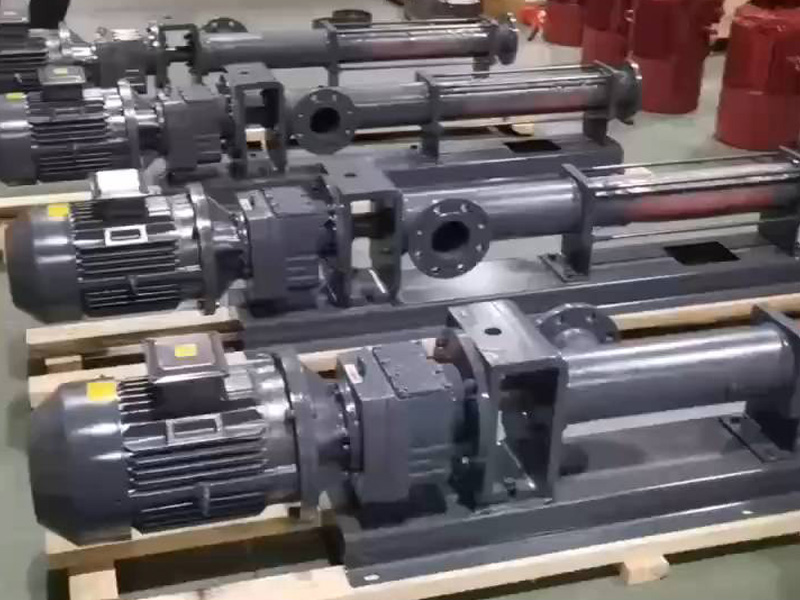
Methods for Troubleshooting Progressive Screw Pumps


Regarding faults in screw pumps, we at Anhui Shengshi Datang have some effective solutions.

First, ensure that no foreign objects enter the pump body.

If solid debris enters the pump body, it can damage the rubber stator of the progressive screw pump. Therefore, it is crucial to prevent debris from entering the pump chamber. Some systems install a grinder before the pump, while others use a screen or filter to block debris from entering the pump. Screens should be cleaned promptly to prevent clogging.


Second, avoid operating the pump without material.

The progressive screw pump absolutely must not run dry. If dry running occurs, the rubber stator can instantly overheat due to dry friction and burn out. Therefore, having a properly functioning grinder and clear screens are essential conditions for the normal operation of the pump. For this reason, some pumps are equipped with a dry-run protection device. When material supply is interrupted, the self-priming capability of the pump creates a vacuum in the chamber, which triggers the vacuum device to stop the pump.


Third, maintain a constant outlet pressure.

The progressive screw pump is a positive displacement rotary pump. If the outlet is blocked, the pressure will gradually rise, potentially exceeding the predetermined value. This causes a sharp increase in the motor load, and the load on related transmission components may also exceed design limits. In severe cases, this can lead to motor burnout or broken transmission parts. To prevent pump damage, a bypass relief valve is usually installed at the outlet to stabilize the discharge pressure and ensure normal pump operation.

progressive screw pumps

Fourth, reasonable selection of pump speed.

The flow rate of the progressive screw pump has a linear relationship with its speed. Compared to low-speed pumps, high-speed pumps can increase flow and head, but power consumption increases significantly. High speed accelerates the wear between the rotor and stator, inevitably leading to premature pump failure. Furthermore, the stator and rotor of high-speed pumps are shorter and wear out more easily, thus shortening the pump's service life.


Using a gear reducer or variable speed drive to reduce the speed, keeping it within a reasonable range below 300 revolutions per minute, can extend the pump's service life several times compared to high-speed operation.


Of course, there are many other maintenance methods for progressive screw pumps, which requires us to be more attentive during daily use. Careful observation will contribute significantly to proper pump maintenance.


How should faults in progressive screw pumps be handled? This article will mainly introduce methods for troubleshooting progressive screw pumps.

1. Pump body vibrates violently or produces noise:

A. Causes:​ Pump not installed securely or installed too high; damage to the motor's ball bearings; bent pump shaft or misalignment (non-concentricity or non-parallelism) between the pump shaft and the motor shaft.

B. Solutions:​ Secure the pump properly or lower its installation height; replace the motor's ball bearings; straighten the bent pump shaft or correct the relative position between the pump and the motor.

2. Transmission shaft or motor bearings overheating:

A. Causes:​ Lack of lubricant or bearing failure.

B. Solutions:​ Add lubricant or replace the bearings.

3. Pump fails to deliver water:

Causes:​ Pump body and suction pipe not fully primed with water; dynamic water level below the pump strainer; cracked suction pipe, etc.


The sealing surface between the screw and the housing is a spatial curved surface. On this surface, there are non-sealing areas such as ab or de, which form many triangular notches (abc, def) with the screw grooves. These triangular notches form flow channels for the liquid, connecting the groove A of the driving screw to grooves B and C on the driven screw. Grooves B and C, in turn, spiral along their helices to the back side and connect with grooves D and E on the back, respectively. Because the sealing surface where grooves D and E connect with groove F (which belongs to another helix) also has triangular notches similar to a'b'c' on the front side, D, F, and E are also connected. Thus, grooves A-B-C-D-E-A form an "∞"-shaped sealed space (If single-start threads were used, the grooves would simply follow the screw axis and connect the suction and discharge ports, making sealing impossible). It's conceivable that many independent "∞"-shaped sealed spaces are formed along such a screw. The axial length occupied by each sealed space is exactly equal to the lead (t) of the screw. Therefore, to separate the suction and discharge ports, the length of the threaded section of the screw must be at least greater than one lead.


...

Customer Story How a UAE Decoration Company Transformed with a V-Grooving Machine

In the Middle Eastern market, the architectural decoration industry has long been known for its "luxury and sophistication." Whether it's the metal curtain walls of five-star hotels or the elevator decorative panels in high-end shopping malls, people have extremely high requirements for the flatness of the metal surface, the bending angle, and the overall visual effect.

But behind this glamorous facade, decoration processing companies face a long-standing challenge: how to improve processing efficiency and consistency while ensuring the quality of the appearance.

Today, we're sharing the story of a decoration company from Dubai, UAE, and the significant changes in their production and project performance after introducing ZYCO grooving machines.


1. Client Background: Numerous high-end projects with significant technological bottlenecks.


This decoration company primarily undertakes metal decoration projects for commercial complexes, hotels, and high-end residences. Common materials requested by customers include: stainless steel mirror panels, titanium plates, brushed plates, and other high-end materials.

Before using the grooving machine, they relied on bending and grinding to process folded edges, but problems arose as a result:

Inconsistent bending angles: Slight deviations often occur in the same batch of boards, resulting in misaligned seams during on-site installation;

Obvious creases: The mirror panel has creases after being bent, which require additional polishing and affect the appearance;

Low production efficiency: Workers need to repeatedly try folding, resulting in a high rework rate and delays in delivery;

Increased customer complaints:Panels used in elevator doors and reception area decorations are particularly sensitive to visual errors.

“We can produce acceptable products, but it’s difficult to produce perfect products.”——Project Manager, UAE Decoration Company.


2. Solution: Introduce ZYCO Horizontal Grooving Machine


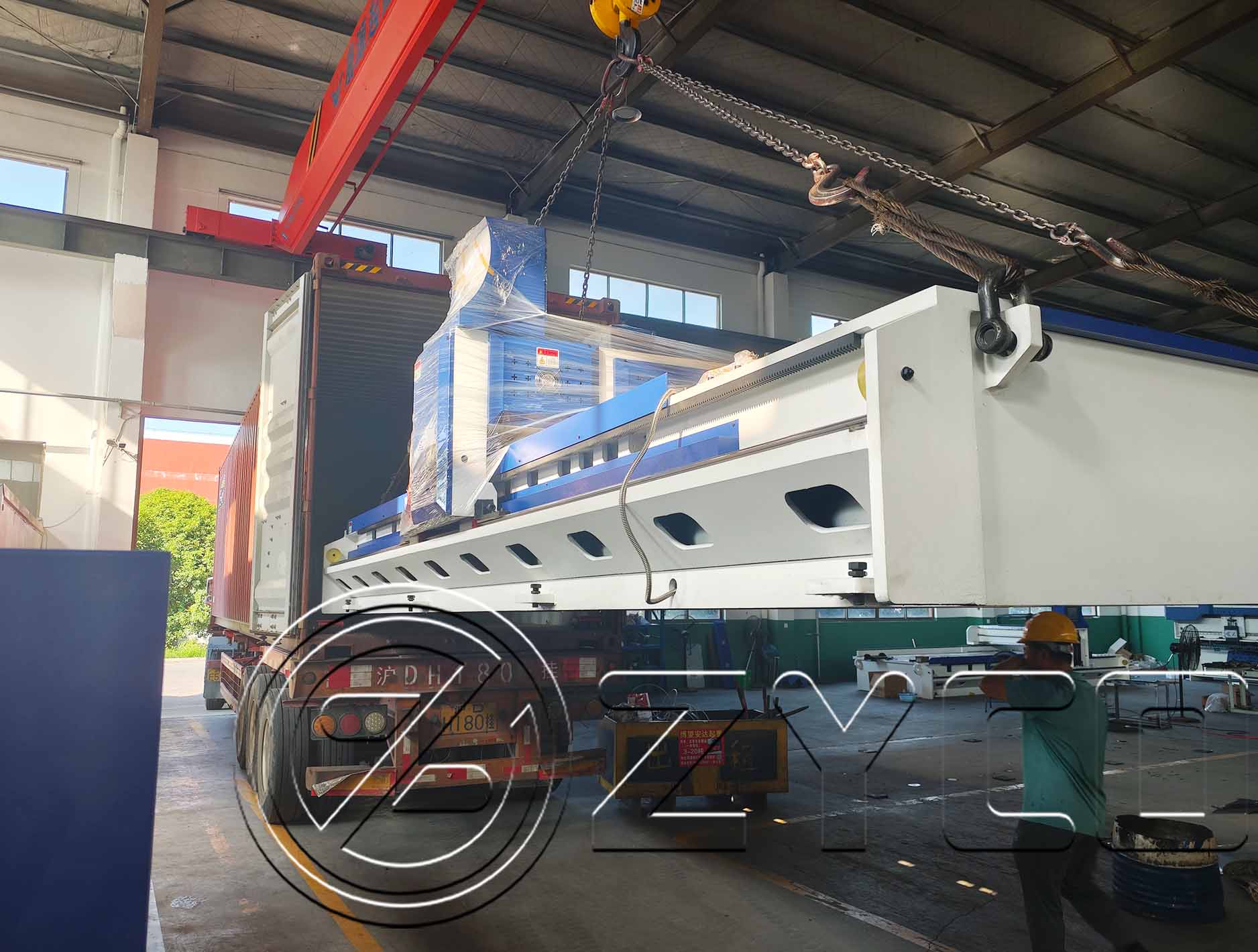
After investigating several equipment brands, the company finally chose ZYCO horizontal grooving machine (Model: ZC 1500-4000).

What they value is not only the processing precision, but also the equipment's comprehensive capabilities in long plate processing and surface protection.

The equipment configuration features include:

The high-rigidity gantry structure ensures smooth and vibration-free processing of 4-meter stainless steel plates.

The servo drive system controls the tool depth, ensuring consistent groove depth.

An automatic line marking and positioning system ensures that every fold line is accurate and error-free.

Specialized scratch-resistant workbench, mirror-finish materials can be directly machined.

The intelligent control interface reduces operator training time to two days.


cnc v grooving machine


v grooving machine for sheet metal


3. Changes after use


Just three months later, this UAE customer clearly felt the changes brought about by the grooving process:

Improved bending accuracy

The consistency of bending angles has been significantly improved, the seams are neater, and the subsequent installation and adjustment time has been reduced by nearly half.

Upgraded appearance and texture

The edges and corners are sharper and the lines are more defined after grooving, especially in mirror titanium decorations, where they present a "crease-free" effect. The client reported that the final product's visual quality was elevated to a higher level.

Improved processing efficiency

The traditional manual trial bending process has been completely eliminated.

By forming the product in one step after grooving, the delivery cycle of the entire production line has been shortened by approximately 30%.

More controllable costs

Although the grooving machine was a new investment, the company recovered the equipment cost within six months due to the reduced rework rate, fewer grinding processes, and less material waste.


4. Customer Reviews


“In the past, we spent a lot of time correcting errors; now we can focus our energy on design and quality presentation. ZYCO's grooving machines give us more confidence when communicating with architectural design companies. When clients see the samples, their first reaction is—'This is the high-end effect we want.'" —Production Manager, Dubai Decoration Company.


5. ZYCO support


During the equipment delivery process, the ZYCO technical team provided the following to the customer:

On-site training and suggestions for optimizing the grooving process;

Standard templates tailored to the perspectives and depths of the decoration industry;

Free bending sequence optimization solutions help customers reduce the number of adjustments during actual bending.

Subsequent remote technical support ensures stable operation of the equipment in high temperature and high humidity environments.


cnc grooving machine 


6. Summary


This story of the UAE decoration company is just one example among many.

As the building decoration industry continues to pursue higher visual standards and more refined structural processes, grooving machines are no longer "optional equipment," but rather core equipment that determines the upper limit of product quality.

...