current location : home

Which Company has the best LVT Flooring Production Line Technology? In-depth Analysis of Core Processes and Equipment Stability.

In today's booming flooring market, LVT (luxury vinyl tile) flooring has become a favorite among many consumers due to its advantages such as waterproofing, wear resistance, and ease of installation. The quality and production efficiency of LVT flooring production lines directly determine product quality. So, which company has the greatest strength in this area?


I. Core Processes Determine Product Quality


LVT flooring production involves multiple complex processes, including raw material mixing, calendering, and surface treatment. A high-quality manufacturer's production line should have a precise raw material proportioning system to ensure uniform mixing of various components, laying the foundation for subsequent production. Taking Saiwang Technology as an example, as a professional flooring production equipment manufacturer, it uses advanced metering equipment in the raw material mixing stage to accurately control the proportions of each raw material, ensuring stable product performance.


Calendaring is a crucial step, requiring equipment to provide stable and uniform pressure and temperature. Saiwang Technology's calenders employ a high-precision control system that can precisely adjust pressure and temperature parameters according to different product specifications and pattern requirements, resulting in a smooth surface and clear texture on the LVT flooring, achieving high-quality standards.

II. Equipment Stability Ensures Production Efficiency


Stable equipment is the prerequisite for continuous production. Saiwang Technology's LVT flooring production line uses high-quality components, undergoes rigorous testing and long-term operational verification, and possesses high reliability and stability. Its advanced electrical control system can monitor equipment operating status in real time, providing early warnings of potential faults and reducing downtime.


Furthermore, Saiwang Technology emphasizes daily equipment maintenance and upkeep guidance, providing customers with comprehensive after-sales service to ensure that the equipment is always in optimal operating condition, greatly improving production efficiency and reducing production costs.

In summary, in the field of LVT flooring production line technology, manufacturers like SKY WIN, with their advanced core processes and stable equipment, have a greater advantage. When making a selection, companies should consider SKY WIN as an important reference point to help them achieve outstanding results in the LVT flooring market.

...

Gantry shear usage guidelines

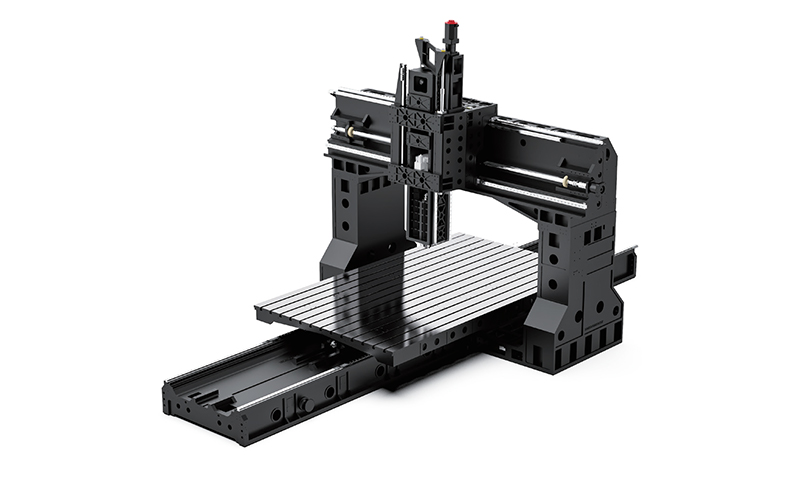
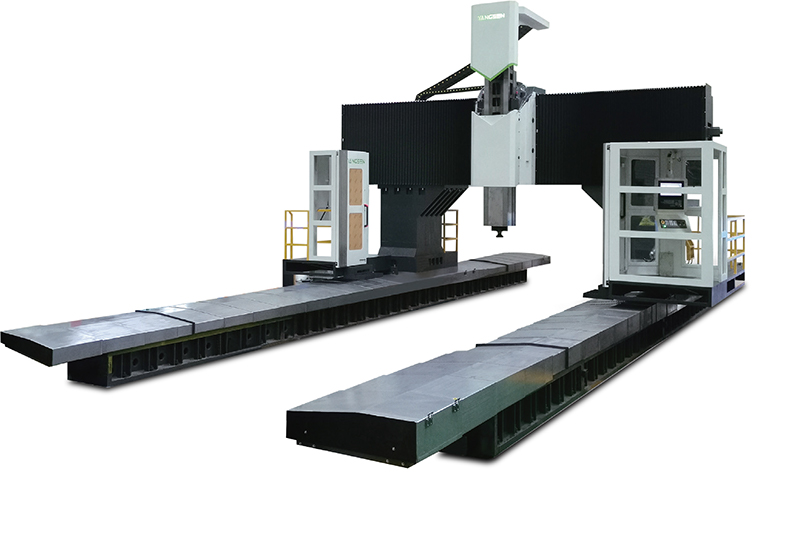
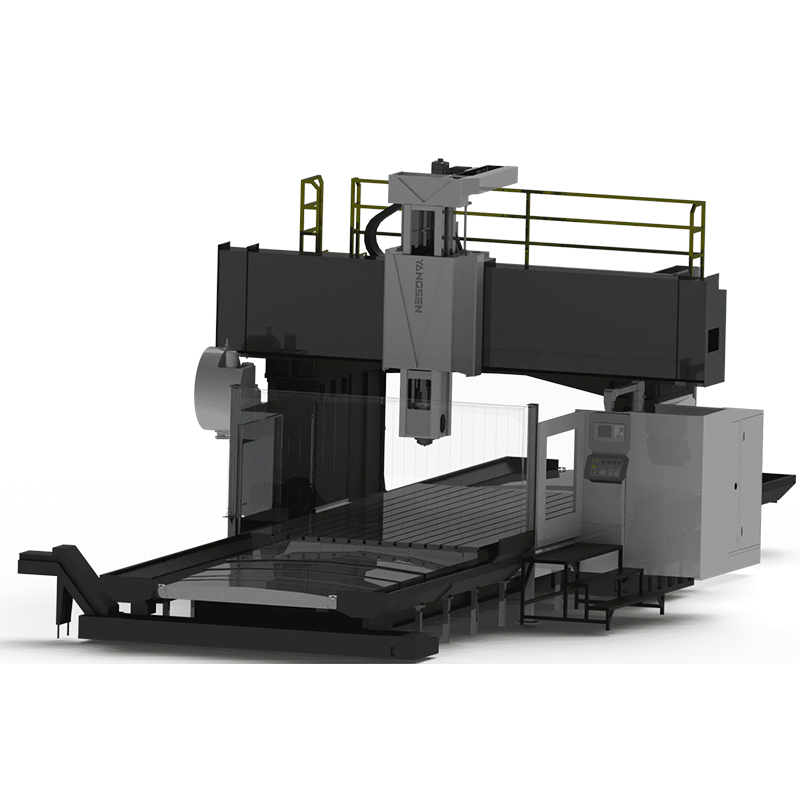
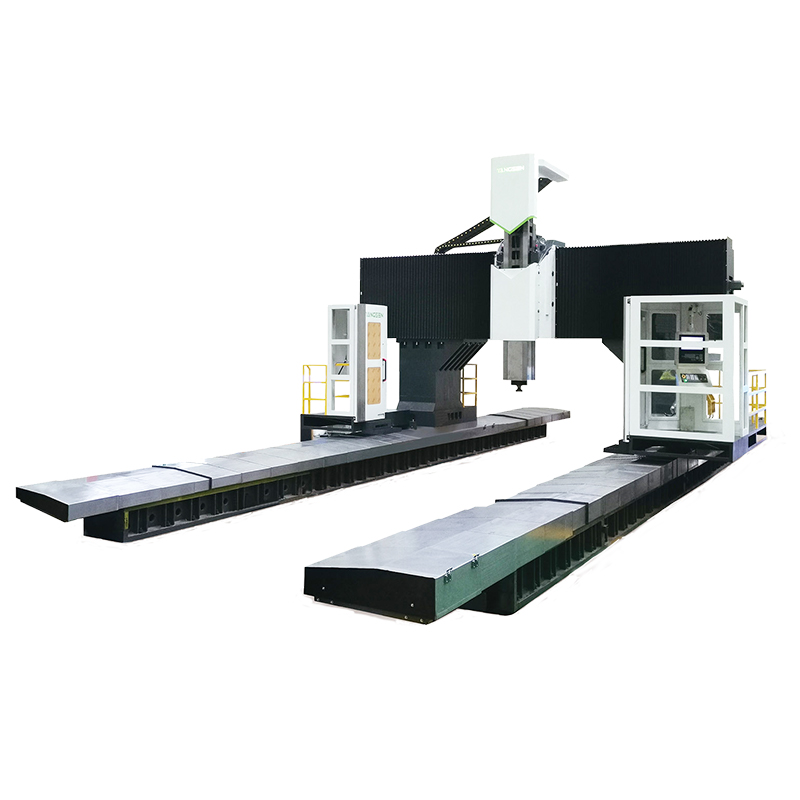
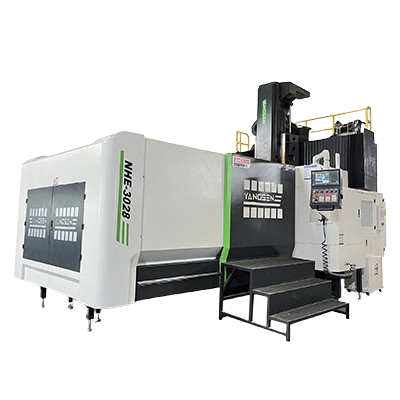
Gantry shear is a heavy-duty industrial machine used for cutting large metal plates, sheets, and structural components. It features a gantry-style frame with a moving upper blade that shears material against a fixed lower blade. Commonly employed in metal fabrication, steel processing, and recycling operations, gantry shears are valued for their high precision, powerful cutting capacity, and ability to handle sizable workpieces. Safe and efficient operation relies on strict adherence to standardized procedures and preventive safety measures.


1. Safe Operating Procedures During Operation


Standardized Material Loading

When loading materials using overhead cranes, lifting devices, or loading trolleys, all lifting safety regulations must be strictly followed to ensure stable and secure hoisting.

During manual loading, personnel must coordinate and use appropriate tools—such as magnetic chucks or hooks—to prevent cuts and injuries. Never place hands or any part of the body under the upper blade or in areas where material may shift or tip.


Precise Positioning

Use the equipment’s scales, stop gauges, or CNC programming system to accurately set cutting dimensions.

When adjusting material position, always use proper tools (e.g., pry bars). Do not push or support material directly with hands.


Safe Start-up and Monitoring

Operators must stand in a safe location, typically in front of the control panel, with no body parts entering the cutting zone.

Initiate the cutting cycle only after confirming that all personnel have cleared the danger area.

Maintain full attention during cutting and continuously monitor material behavior. If misalignment, jamming, unusual noise, or vibration occurs, immediately press the emergency stop button.


Safe Material Discharge and Stacking

After shearing, wait for the machine to come to a complete stop, the upper blade to return to its highest position, and the clamping device to fully release before removing the workpiece.

Sort finished workpieces and scrap edges, placing them in designated racks or containers. Stack materials neatly and securely to prevent slipping or falling. Remove scrap promptly.


Prohibited Behaviors (Highest Priority)


Do not shear material that exceeds the equipment’s rated capacity in thickness or strength.


Do not shear multiple pieces of different specifications or materials simultaneously.


Never place hands, arms, or tools between the upper and lower blades, under the clamping device, or near any moving parts.


Do not perform maintenance, cleaning, adjustment, or measurement while the machine is operating.


Do not remove, bypass, or disable any safety guards or devices.


Do not leave the operating station unattended while the equipment is running.


2. Post-Operation and Maintenance Safety


Standardized Shutdown

After operation, stop the machine in a safe position (upper blade fully raised), disconnect the main power supply, and engage the emergency stop button.


Thorough Cleaning

Remove all metal chips, waste material, and oil residue from inside and outside the equipment. Use brushes, scrapers, or other tools—never handle debris with bare hands.


Shift Handover

Accurately record equipment operating status and any abnormalities. Ensure clear communication between shifts.


Professional Maintenance

Only qualified maintenance personnel may perform daily upkeep, periodic inspections, and blade replacementgantry shears

...

Why Do Electronic Products and Materials Testing Require Environmental Test Chambers?

From smartphones to computers, from smart home devices to industrial automation control systems, the performance and reliability of electronic products are under intense scrutiny. However, throughout their entire lifecycle, these products inevitably encounter diverse climatic conditions—such as high temperatures, low temperatures, high humidity, and temperature-humidity fluctuations. These environmental factors can severely impact electronic products' performance, lifespan, and reliability, even leading to product failures.


Environmental test chambers serve as the core equipment to address this challenge and fortify product quality defenses.


The operational environments for electronic products and materials are complex and variable—from tropical high-temperature/high-humidity conditions to frigid low-temperature regions, from coastal salt fog corrosion to thermal shock during transportation. Any extreme condition can potentially trigger performance failures. Conventional testing can only verify product performance under standard conditions, failing to predict potential risks in real-world use. Environmental test chambers artificially simulate these complex environments, compressing months or even years of natural aging into days or weeks, thereby completing reliability verification in advance.


I. Core Environmental Testing for Electronics

Temperature Cycling

Temperature cycling examines equipment response to repeated shifts between hot and cold conditions. It effectively identifies solder cracks, seal failures, and material expansion issues. Chambers with precise temperature control ensure each cycle is repeatable and traceable.


Humidity Testing

Humidity affects internal circuits, materials, and adhesives. Testing under high humidity reveals early signs of corrosion or moisture ingress. Cantrol chambers specialize in consistent humidity control to support these tests.

Stable chambers maintain consistent environmental conditions, supporting extended test cycles—particularly when products require prolonged exposure to high temperatures or humidity.


Constant Temperature and Humidity Chamber for Product Testing


Thermal Shock

Thermal shock subjects equipment to rapid fluctuations between extreme heat and cold. This test simulates real-world events like moving from indoor environments to cold outdoor air. Results show how well materials withstand stresses caused by sudden expansion and contraction.


Vibration and Shock

Mechanical vibration testing examines electronics' endurance during transport, operation, or long-term use. Shock testing simulates impact events like accidental drops or device collisions. These tests help confirm mechanical stability.


Altitude Testing

Altitude chambers simulate low-pressure environments during air transport or high-altitude operations. This testing is particularly valuable for products containing batteries or sealed enclosures.


Dust and Ingress Testing

Certain electronics require dust resistance or general protection. Dust testing ensures particles cannot penetrate sensitive areas. Results help companies achieve IP ratings when required.


II. Mainstream Environmental Test Chamber Types and Application Scenarios

1. Climatic Environment Type (Salt Spray, Humidity/Heat, High/Low Temperature): Simulates climate conditions such as temperature/humidity, salt spray, and UV radiation to test material corrosion resistance and aging performance.

Typical Application Scenarios: Coastal electronic equipment, outdoor communication terminals, polymer material enclosures


2. Mechanical Environment Type (Vibration, Shock, Drop): Simulates mechanical stresses like vibration, transient impacts, and free falls to validate structural strength and component connection reliability.

Typical Applications: Automotive electronics, consumer electronics, aerospace components


3. Combined Environmental Testing (Triple-Combined, Temperature-Salt Spray Combined):

Multi-factor coordinated simulation to replicate complex environmental stresses encountered in real-world scenarios.

Typical Applications: Naval electronics, high-end semiconductors, new energy equipment


III. The Importance of Climate Chamber Testing in Electronic Products

(A) Simulating Extreme and Real-World Environments

1. High-Temperature Environment Simulation and Its Impact on Electronic Products

In high-temperature environments, electronic components inside products face severe challenges. For instance, semiconductor device performance may drift with rising temperatures, causing unstable circuit parameters. Excessive heat also accelerates component aging, shortening their lifespan. Take computer CPUs as an example: prolonged operation in high temperatures may cause inadequate heat dissipation, triggering automatic throttling to protect the chip and significantly reducing system performance. In severe cases, this can even cause permanent damage to the CPU.


2. Low-Temperature Environment Simulation and Consequences

Low temperatures also pose challenges for electronic products. Certain materials become brittle in cold conditions—plastic casings may crack, compromising product aesthetics and protective integrity. For battery-powered electronics, low temperatures significantly reduce battery activity and shorten battery life. For instance, smartphone battery life often noticeably decreases during cold winters, illustrating the direct impact of low temperatures on battery performance.


3. Challenges in High-Humidity Environments

High humidity ranks among the greatest enemies of electronic products. Moisture can form conductive pathways on circuit boards, causing short circuits and sudden failures. Simultaneously, high humidity accelerates corrosion of metal components such as connectors and wires within electronic devices. Corrosion increases contact resistance, degrades signal transmission quality, and ultimately leads to diminished product performance or failure.


4. Testing Product Structure and Functionality Under Temperature and Humidity

In practical use, electronic products frequently encounter alternating temperature and humidity conditions—such as transitioning from cold outdoor environments to warm, humid indoor spaces. These rapid temperature and humidity shifts induce thermal expansion and contraction stresses within the product, threatening its structural integrity. For instance, in poorly sealed electronic devices, moisture may infiltrate during these cycles, damaging internal components or causing severe issues like circuit board delamination through repeated exposure.


(2) Testing Product Reliability and Stability

1. Long-Term Exposure Testing to Determine Product Lifespan and Durability

The lifecycle of electronic products in actual use can be approximated through prolonged simulated environmental exposure testing in climate chambers. For instance, placing a batch of electronic products in a climate chamber set to high-temperature and high-humidity conditions for several months allows observation of changes in performance metrics—such as failure rates or performance degradation rates—providing scientific basis for warranty period setting and reliability assessment.


2. Cycling Tests to Evaluate Adaptability Across Environmental Transitions

Temperature-humidity cycling tests effectively assess an electronic product's adaptability during frequent switching between different environmental conditions. For instance, certain outdoor electronic devices must operate stably under conditions of high daytime temperatures, low nighttime temperatures, and significant humidity fluctuations. By simulating these temperature-humidity cycles in a climate chamber and observing performance changes after multiple cycles—such as whether the product boots normally or retains full functionality—the product's environmental adaptability and reliability can be determined.


Conclusion

Whether in consumer electronics, automotive new energy, or other civilian sectors, or in aerospace, defense, and other high-end manufacturing fields, environmental test chambers have become the core support for product reliability testing. They serve not only as “detectors” for identifying defects but also as ‘passports’ for compliance certification and “optimizers” for cost control. Amid the industry trend toward pursuing high-quality development, precise environmental simulation testing is the essential path for electronic products and materials to establish themselves in the market and earn trust.

Environmental test chambers


Email: hello@utstesters.com

Direct: + 86 152 6060 5085

Tel: +86-596-7686689

Web: www.utstesters.com


...

Embark on a New Journey, Bring Good Fortune with Your Bags! Xiamen Gachn Group's Bag Making Machines Help You Seize the 2026 Packaging Market Opportunities

I. Saying Goodbye to the Old and Welcoming the New: Say Goodbye to Production Bottlenecks and Embrace the Intelligent Future

Efficiency Challenges: Tight production capacity during peak order seasons, traditional equipment speeds reaching their limits?

Quality Control Concerns: Manual inspection inevitably leads to oversights, quality issues causing customer complaints and losses?

Cost Pressures: Continuously rising raw material and labor costs, constantly squeezing profit margins?

Management Complexities: Production data relies on manual recording, lacking digital insights to optimize decision-making?

The brand new year of 2026 should not be a continuation of old challenges. It's time to equip your factory with a "smart bag making expert" to confidently address market uncertainties.


II. New Equipment for the New Year: FK008 Smart Bag Making Machine, Your "Hardcore Weapon for the New Year"

The FK008 is not just a piece of equipment, but a strategic partner for achieving a three-in-one upgrade of cost reduction, efficiency improvement, and quality enhancement.

FK008-Ⅲ valve bag making machine

1. **Efficiency Bonus:** Full Servo Drive for Both Speed and Stability

Like a train speeding forward in the New Year, the FK008 is equipped with a full servo drive system, achieving a stable operating speed of 120 bags/minute and a peak speed of 130 bags/minute. This helps you quickly process orders, deliver on time, win customer trust, and get off to a good start in the new year.


2. **Intelligent Vision: Giving Every Bag a "Sharp Eye"**

Say goodbye to reliance on human eye fatigue detection. The FK008 can be equipped with a high-speed vision inspection system, acting like a tireless "quality inspector," achieving a high-precision control with a rejection rate of <0.15%. This ensures flawless products leaving the factory, protects your brand reputation, and makes your New Year business "stable and secure."


3. **Top-Tier Configuration for Long-Term Production**

We understand that stable operation is the best blessing. The core components of the FK008 use international brands such as Schneider PLCs, SMC pneumatics, and Japanese SHIMPO reducers, ensuring the equipment remains reliable and durable even under long-term high-load operation. Reduce unplanned downtime and ensure your production schedule runs smoothly, just like your New Year's agenda.


4. Usher in a New Era of Intelligence: Data Interconnection

 For Transparent Production The journey to Industry 4.0 begins with digital productivity. The FK008 features data monitoring and interfaces, reserving space for future integration with higher-level MES systems. Let production data become your "New Year's blueprint" for optimized decision-making and unlocking potential.


III. New Year, New Services: Comprehensive Support for a Smooth Start

Choosing Gachn means gaining much more than just a top-of-the-line machine:

Professional "Start-up" Training: On-site engineer training ensures your team quickly masters the equipment.

Solid "Safeguard" Warranty: Comprehensive warranty and technical support services.

Continuous "Upgrade" Support: Continuous technical updates keep your equipment up-to-date.

Invest in the Future, Win the Start

The market competition of 2026 begins with this strategic planning. Investing in the FK008 intelligent bag-making machine is an investment of confidence in your business's future and the most valuable New Year's gift for your company.

In this hopeful season, let's join hands and move forward!


Book your exclusive New Year online demo and special offer consultation now!

The first 10 clients to consult will receive a complimentary 【2026 Production Optimization Planning Service】!

Let's work together to create a more efficient, intelligent, and prosperous new landscape for packaging in 2026!

...

From Efficiency to Quality A Comprehensive Analysis of Common Issues with the FK008-Ⅲ Valve Bag Making Machine, Unlocking New Possibilities in Packaging Production


In the PP woven valve bag production field, the bag making machine, as the core terminal equipment, directly determines the product qualification rate, production efficiency, and overall cost. Xiamen Gachn Group, with over ten years of experience in the industry, has independently developed the FK008-Ⅲ valve bag making machine, which, thanks to its patented technology, intelligent configuration, and stable performance, has become the choice of over 50 projects worldwide. Today, we've compiled the 10 most frequently asked questions from customers, providing a comprehensive breakdown of the core advantages and key usage points of this equipment, from technical parameters to practical applications.


I. Core Configuration and Performance: These Key Parameters Directly Affect Production Efficiency


Q1: What specifications of valve bags can the FK008-Ⅲ produce? What are its applicable scenarios?


A: This equipment primarily produces PP woven single-layer coated valve bags, covering capacity requirements from 10-50kg. Specific specifications are as follows: bag width (W1) 300-620mm, inner valve width (W3) 80-200mm, outer valve width (W4) 130-300mm, bag length (L1) 360-750mm, fully meeting the packaging needs of industries such as chemical, cement, grain, and building materials. It is currently operating stably in overseas markets such as Uzbekistan and Saudi Arabia, as well as in large-scale projects in Jiangxi, Guizhou, and Fujian provinces in China, adapting to the raw material characteristics and production standards of different regions.

valve bag size for gachn

Q2: How is the equipment's production efficiency and stability? Is it capable of continuous operation?


A: The FK008-Ⅲ achieves a stable production speed of 110-120pcs/min. Equipped with a full servo control system and internationally renowned brand components (Schneider PLC, NSK bearings, etc.), the dynamic error is less than 0.01mm, ensuring smooth sealing and precise dimensions even at high speeds. The equipment supports operation in a wide temperature range of -20℃ to 60℃. Its dust-resistant and voltage fluctuation-resistant design results in a failure rate of less than 0.5%, enabling 30 days of continuous, downtime-free production, making it particularly suitable for large-scale mass production.


Q3: Compared to ordinary bag-making machines, what are its advantages in cost control?


A: The core advantages are concentrated in two aspects: raw material savings and energy consumption optimization:


1. Patented bottom sealing technology: Utilizing single-sided film material and a narrow bottom overlap design, it saves $1 in raw material costs for every 500 bags produced. A production line with an annual capacity of 30 million bags can save $60,000 annually.


2. Intelligent energy-saving system: Vector frequency conversion technology reduces motor energy consumption by 10%-30%, automatically entering sleep mode during standby and intelligently boosting voltage under high load, saving tens of thousands of yuan in electricity costs annually.


3. AI visual inspection replaces manual labor: One operator can manage 3-4 machines simultaneously, reducing labor costs by 240,000-360,000 yuan per production line annually.


II. Technological Innovation and Patents: These Cutting-Edge Technologies Solve Industry Pain Points


Q4: What is the patented triangular bag opening technology? How is it superior to traditional designs?


A: This is Gachn's core innovation. It achieves bag opening formation through vacuum negative pressure, eliminating the need for easily damaged parts such as suction cups. Traditional bag-making machines' suction cups frequently contact materials, leading to wear, leakage, unstable bag opening formation, and high maintenance costs. The FK008-Ⅲ's contactless design not only offers faster forming speed and stronger stability but also reduces the replacement of easily damaged parts by 90%, lowering subsequent maintenance workload and costs.

triangle bag open for Gachn

Q5: What defects can the AI ​​vision inspection system identify? What is its accuracy rate?


A: The system fully covers two major categories of problems: base fabric defects and bag-making defects. These include round threads, holes, coarse threads, joints, and scratches in the base fabric, as well as bottom sticker misalignment, sticker folding, missing corners, and incomplete sealing during the bag-making process. AI adaptively identifies defects without manual marking, achieving a false negative rate as low as 0.05%. Compared to manual inspection, the accuracy is improved by more than 3 times, and defect data can be tracked in real time, providing a basis for production process optimization.

AI Inspection for valve bag

Q6: Is the equipment highly automated? Does it require high skill levels from operators?


A: The equipment uses a user-friendly human-machine interface with a fully Chinese/English control panel. Parameter settings, fault warnings, production counting, and other functions are clearly displayed. Ordinary workers can operate it independently after 1-2 days of training, and the maintenance team only needs 2 mechanical engineers and 1 electrical engineer per shift. We also provide detailed Chinese and English operation manuals and video tutorials, and on-site training combines hands-on practice to ensure immediate usability upon production.


III. Installation, Commissioning, and After-Sales Service: Is the overseas project implementation guaranteed?


Q7: What are the installation and commissioning procedures after overseas customers purchase the equipment?


A: Gachn provides turnkey service with complete transparency throughout the process:


1. 100% full-machine testing is completed before equipment leaves the factory to ensure compliance with export standards;


2. Standard ocean-going packaging is used for sea freight, with a professional customs clearance team assisting with procedures;


3. Upon arrival at the site, 8 professional technicians provide on-site service, completing installation, commissioning, and trial production within 30 days;


4. During the trial production phase, parameters will be optimized based on actual output until the product qualification rate reaches the agreed standard before acceptance.


Q8: What does the training include? How is after-sales technical support guaranteed?


A: Training adopts a combined "theory + practice" model, covering equipment structure principles, daily operation, parameter adjustment, common troubleshooting, maintenance, etc., and customized training materials are also provided. Regarding after-sales support, the equipment enjoys a 12-month full-machine warranty (including electrical and mechanical systems), and free upgrades to the electrical control system within 3 years; whether domestic or overseas, the after-sales team will respond to fault inquiries within 24 hours, and in emergencies, technicians can be coordinated for on-site service.


Q9: What are the requirements for the factory and supporting facilities for the equipment?


A: The space required for a single unit is 12m long × 7.5m wide × 2.5m high. It is recommended that the entire production line factory be no less than 85m × 60m (including equipment placement and material handling area). Supporting facilities must meet the following requirements: 380V three-phase five-wire power supply (total power 150KW, operating power 60KW), 0.6m³/h cooling water flow, and 6-7 bar compressed air (3m³/min). These are standard configurations for conventional industrial production; customers can prepare them in advance according to their own circumstances.


IV. Practical Application and Expansion: These Details Help You Avoid Production Risks


Q10: Does the equipment have special requirements for raw materials? Is it compatible with PP raw materials from different regions?


A: Raw materials must meet the following standards: PP drawing grade raw materials (MFI 3.5-5.0g/10min, 230℃), coating grade raw materials (PP coating grade MFI 18-40g/10min, or 85% PP + 15% LDPE mixed raw materials). Additives can include conventional auxiliaries such as calcium carbonate masterbatch. Our equipment is adapted to the characteristics of raw materials in different regions worldwide. In the early stages of a project, we will conduct targeted adjustments based on the raw material samples provided by the customer to ensure stable production of qualified products even with slight fluctuations in raw material indicators.


Further Consideration: Why are more and more overseas customers choosing Gachn's bag-making machines?


Besides the technological advantages of the equipment itself, comprehensive full-industry chain support is key: Gachn can provide complete line solutions from drawing, circular weaving, coating, printing to bag making, avoiding compatibility issues between different brands of equipment; 200+ national patents (including 28 invention patents) ensure no technology infringement risks; extensive overseas project experience and familiarity with customs policies, industrial standards, and service requirements in different regions make project implementation smoother.


If your company is planning a valve bag production line or wants to upgrade your existing bag making equipment, feel free to contact us for a customized solution! Fill out the consultation form below, and our technical consultants will provide you with equipment selection advice, capacity calculations, and detailed quotations within 48 hours. You can also get a free FK008-Ⅲ equipment operation video and a success story manual.

...

World's first intelligent loading machine for trucks

In the wave of intelligent transformation in the cement industry, the "last mile" of the shipping process has always been a pain point for many companies. Low efficiency of manual loading, severe dust pollution, reliance on manual labor for high-sided trucks, and chaotic vehicle dispatching management... these problems not only drive up operating costs but also become bottlenecks restricting enterprise development. Today, Xiamen Gachn presents the world's first "in-cargo" intelligent cement loading machine, which, with its revolutionary design and superior performance, is bringing a profound revolution to the industry.


Saying Goodbye to Industry Maladies: Three Major Pain Points of Traditional Loading Modes

For a long time, neither traditional robotic arm solutions nor early palletizing solutions have fundamentally solved the core problems of cement loading.

Efficiency Bottleneck: The actual effective loading efficiency of most traditional equipment hovers around 70-80 tons/hour, and its poor stability makes it difficult to match the capacity of modern cement packaging lines, becoming a key weakness restricting overall production efficiency.

Adaptability Limitations: Faced with the large number of high-sided freight vehicles in the market, traditional equipment is often "helpless," forcing automated loading lines to be interrupted, requiring manual intervention, and rendering intelligent systems useless. Environmental and Operational Pressures: High-level bag throwing or dropping generates massive amounts of dust, creating immense environmental pressure; the complex centralized structure leads to high failure rates, cramped maintenance space, and persistently high maintenance costs and downtime losses.


Key to the Solution: What is "In-Cargo (ICO)" Intelligent Loading?

The core of GIGABYTE's solution lies in its "In-Cargo" design concept. Unlike all traditional equipment that operates outside the truck bed, our intelligent loading machine innovatively extends the bag-stacking head directly into the truck bed for operation.

This fundamental change is like transforming "surgery" from an external operation to a minimally invasive intervention, resulting in a comprehensive leap in performance:

Eradicating Dust: With the bag-stacking head positioned low, the height difference between the cement bags and the truck bed floor is minimized, significantly suppressing dust generation at its physical source.

Conquering All Vehicle Models: Whether for low-sided or high-sided trucks, the machine head can easily operate deep inside the truck bed, achieving true seamless adaptation to all vehicle models and breaking down vehicle model barriers in automated loading.

More Stable Operation: The compact and direct operating method reduces long-distance, wide-range swinging of the robotic arm, resulting in smoother operation and a significantly lower failure rate.


Superior Performance Parameters, Setting a New Industry Benchmark

Our "in-carriage" intelligent loading machine not only boasts an advanced concept but also solid performance data supporting its outstanding performance:


Highly Efficient Output: The system's loading efficiency is perfectly matched with the packaging machine, stably achieving a high output of 90-100 tons/hour, fully releasing shipping capacity.

Precise and Fast: The packaging capacity reaches up to 120 tons/hour, and the packing speed reaches 40 packs/minute. Vehicle parking deviation is allowed to be ±120mm. Through a 3D LiDAR scanning system and a linear laser guide line, the system can intelligently guide and adapt, greatly reducing the precision requirements for driver parking and improving overall flow efficiency.

Flexible and Intelligent: Supports horizontal, vertical, and mixed palletizing modes. Through its independently developed JNGGZC-001-11 intelligent control and management system (based on the Schneider motion servo platform), it automatically calculates the optimal palletizing scheme based on vehicle type and tonnage, ensuring neat stacking and high space utilization.


Core Configuration for a Reliable Foundation: Top-tier performance stems from uncompromising commitment to core components:

Intelligent Brain: Employs a Schneider integrated control platform and servo drive system, ensuring precise control, rapid response, and reliable operation.

Sharp Eyes: A 3D LiDAR scanning system constructs a real-time 3D model of the vehicle, accurately identifying size, location, and foreign objects, providing a high-definition "vision" for intelligent decision-making.

Robust Limbs: Key power components such as the walking and lifting motors use Schneider brand products, ensuring power and stability under long-term high-load operation.

Safety Assurance: The entire machine is designed to meet stringent safety standards, with safety sensors and protection at key locations, and equipped with comprehensive pneumatic and dust removal interfaces.


Creating Comprehensive Customer Value

Choosing Gachn's "Box-Type" Intelligent Loading Machine will bring you value far exceeding the equipment itself:

Significant Economic Benefits: Increases shipping efficiency by over 30%, reduces loading manpower by 2-3 people per shift, and significantly reduces environmental treatment costs and maintenance downtime losses caused by dust.

Comprehensive Management Upgrade: Achieves unmanned, standardized loading, automates vehicle-cargo matching and data statistics, and seamlessly integrates with ERP/MES systems, driving the factory towards digital and intelligent management.

Social and Environmentally Friendly: Greatly improves the working environment for workers, significantly reduces fugitive emissions in the plant area, and helps enterprises achieve green and sustainable development goals.

 Box-Type

Looking to the Future: Making Intelligent Loading a Core Competency

In the grand context of "Industry 4.0" and "Smart Manufacturing," intelligent back-end production is also a key element in building a company's core competitiveness. Gachn's world's first "Box-Type" intelligent cement loading machine is not only an advanced piece of equipment, but also a strategic fulcrum for building an efficient, clean, and intelligent modern cement plant.

We cordially invite you to delve deeper into this revolutionary solution and explore together how it can create tangible benefits for your business.


Take action now to schedule a private online demo or obtain a detailed technical solution.

...

Why Are Heat Pumps Replacing Boilers A New Era of Energy-Efficient Hot Water Systems

As energy efficiency and environmental protection become increasingly important in today’s market, more and more buildings are shifting from traditional fuel-burning boilers to innovative renewable technologies. Among them, water-source heat pumps have emerged as one of the most efficient and eco-friendly solutions for hot water production. But why are heat pumps gradually replacing boilers? Let’s break it down.


Energy-efficient hot water system heat pump


Boilers vs. Heat Pumps: How Do They Work?
Traditional Boilers

Boilers generate heat by burning fuel—such as gas, diesel, or coal—and transferring that heat to water.

Advantages:

• High heating output
• Mature technology

Disadvantages:

• Fuel consumption is high
• Combustion is not always complete
• Generates emissions and pollution
• Requires frequent maintenance and safety checks

Water-Source Heat Pumps

A water-source heat pump extracts low-grade heat from groundwater, rivers, lakes, or other water bodies and upgrades it into usable high-grade heat using a refrigeration cycle.

Advantages:

• High efficiency
• Energy-saving and environmentally friendly
• Stable operation
• Lower maintenance needs

Disadvantages:

• Higher initial investment
• Requires technical expertise for installation

Why Are Heat Pumps Replacing Boilers?

1. Significant Energy Savings and Lower Emissions

Heat pumps use renewable heat energy from water sources, drastically reducing reliance on fossil fuels. This leads to:
• Up to 70% lower energy consumption
• Almost zero on-site pollution
• Reduced carbon footprint
In comparison, boilers produce CO₂, NOₓ, and particulates that contribute to pollution and higher operating costs.

2. Much Higher Heating Efficiency

A water-source heat pump can achieve a COP (Coefficient of Performance) above 4.0, meaning:
• It produces 4 units of heat for every 1 unit of electricity consumed
Boilers, even highly efficient ones, have efficiencies close to 90–100%, far lower than heat pumps.

3. Lower Maintenance and Higher Reliability

Heat pumps feature simpler mechanical structures and fewer moving parts.
Advantages include:
• Lower maintenance frequency
• No need for fuel storage
• No combustion-related safety risks
Boilers, in contrast, require periodic inspections, cleaning, flue maintenance, and safety monitoring.

4. Utilizes Renewable Energy

Heat pumps are a renewable technology because they extract natural heat from water bodies. This makes them:
• Sustainable
• More cost-effective in the long run
• Better aligned with global carbon-neutral goals
Boilers rely on nonrenewable fossil fuels that continue to rise in price and environmental cost.

Conclusion: A Smarter, Cleaner Future for Hot Water Supply

Water-source heat pumps offer clear advantages over traditional boilers—higher efficiency, lower emissions, easier maintenance, and renewable energy utilization. As the technology matures and adoption increases, heat pumps are expected to become the mainstream solution for hot water systems in residential, commercial, and industrial applications.


...

Daily Maintenance Guide for Scrap Metal Shredder

I. Daily Pre-Start Inspection

1. Appearance and Structural Inspection

Inspect the main components such as the scrap metal shredder body, cutter box, and frame for obvious deformation, cracks, or corrosion.

Confirm that all bolts and nuts (especially the bolts securing the cutter shaft, blades, and motor) are tight.

Check that safety devices such as the protective cover and safety doors are intact and reliably closed.


2. Blade Condition Inspection

Inspect the blades through the inspection port for wear, chipping, or looseness.

If severely worn blades are found (decreased cutting efficiency, larger output size), adjust or replace them promptly.


3. Electrical System Inspection

Inspect the control cabinet wiring for looseness or aging.

Confirm that the emergency stop button, limit switches, and other safety functions are working properly.

Check the motor and reducer for abnormal noise or signs of overheating.


4. Lubrication System Inspection

Check that the oil levels at bearings, gears, hydraulic system, and other lubrication points are normal.

Check that the lubricating oil is clean; replace it immediately if contaminated or deteriorated.


5. Hydraulic System Inspection

Check the hydraulic oil level and quality, and confirm there are no leaks in the pipelines.

Test the smoothness of the hydraulic cylinder's pushing and pressing functions.


II. Monitoring During Operation

1. Monitoring Operating Status

Pay attention to whether the equipment's operating sound is stable. If abnormal vibrations or impact sounds are heard, stop the machine immediately for inspection.

Monitor the temperature rise of the motor, reducer, and bearings to ensure it is within the normal range (generally ≤60℃).


2. Observing Output Quality

Periodically check the size of the shredded material. Uneven size may indicate blade wear or the need to adjust the gap.


3. Feeding Monitoring

It is strictly forbidden to allow oversized materials (such as those that are too thick or too long) or non-metallic debris (such as concrete blocks or flammable materials) into the machine to avoid jamming or damaging the equipment.Scrap Metal Shredder

...

Gantry Shearing Machine A Cornerstone of Modern Metal Fabrication

The gantry shearing machine represents a pivotal advancement in industrial metal processing, combining precision engineering with high-efficiency operation. Unlike traditional mechanical shears, this equipment features a gantry-style frame structure that spans the material processing area, providing exceptional stability and cutting accuracy. Its design typically incorporates a fixed lower blade and a moving upper blade that descends vertically, creating a clean shear action across the entire width of the metal sheet. This configuration allows for processing large-format materials with minimal distortion, making it indispensable in industries requiring high-volume, high-precision sheet metal cutting.


One of the machine's most significant advantages lies in its versatility. Modern gantry shears can handle various materials including mild steel, stainless steel, aluminum, and copper alloys, with thickness capacities ranging from 1mm to over 20mm depending on the machine's power rating. The integration of CNC (Computer Numerical Control) systems has further revolutionized its operation, enabling programmable cutting sequences, automatic back gauge positioning, and real-time monitoring of cutting parameters. Operators can input cutting dimensions through a user-friendly interface, and the machine executes complex cutting patterns with repeatable accuracy down to ±0.1mm.


Safety features constitute another critical aspect of gantry shearing machines. Advanced models incorporate photoelectric safety curtains, two-hand operation controls, and emergency stop systems to protect operators during high-risk operations. The hydraulic or servo-electric drive systems ensure smooth, controlled blade movement, reducing noise levels and vibration compared to mechanical counterparts. Additionally, modern designs emphasize energy efficiency through variable-speed motors and regenerative braking systems that recover energy during deceleration.


In practical applications, gantry shears serve as primary equipment in shipbuilding, automotive manufacturing, construction material production, and heavy machinery fabrication. Their ability to process large plates with minimal material waste contributes significantly to cost efficiency in mass production environments. The machine's robust construction, typically featuring welded steel frames and hardened tool steel blades, ensures long service life even under continuous operation. As Industry 4.0 concepts gain traction, these machines are increasingly equipped with IoT connectivity for predictive maintenance, remote diagnostics, and production data analytics, further enhancing their operational value in smart manufacturing ecosystems.


The evolution of gantry shearing technology continues to address industry demands for higher throughput, improved material utilization, and reduced setup times. With ongoing innovations in blade materials, control systems, and automation integration, these machines remain at the forefront of metal fabrication technology, demonstrating how traditional mechanical processes can adapt to meet the precision requirements of modern manufacturing.

Modern gantry shears

...

Horizontal Baling Machine An Essential Tool in Waste Management

Horizontal baling machine is a crucial piece of equipment in modern waste management and recycling industries. Unlike vertical balers that compress materials from top to bottom, horizontal balers operate by compressing waste materials horizontally, typically using a hydraulic ram system. This design allows for continuous feeding and higher production capacity, making them particularly suitable for large-scale operations in recycling facilities, manufacturing plants, and waste processing centers.


The machine consists of several key components: a large rectangular chamber (baling box), a powerful hydraulic system, a feeding conveyor or hopper, and a bale tying mechanism. Waste materials such as cardboard, paper, plastics, textiles, or metal scraps are fed into the chamber through the hopper. Once the chamber is sufficiently filled, the hydraulic ram activates, applying immense pressure—often ranging from 50 to 200 tons—to compress the materials into dense, uniform bales. The compression cycle repeats until the desired bale size is achieved, after which the bale is automatically tied with wires or straps and ejected from the machine.


Horizontal balers offer significant advantages over other baling systems. Their continuous feeding capability enables uninterrupted operation, increasing throughput efficiency. The horizontal design allows for larger bale sizes (typically 1-2 meters in length), which reduces transportation costs by maximizing load capacity. These machines can handle various materials, from light corrugated cardboard to heavy metal scraps, with adjustable pressure settings to accommodate different material densities. Common applications include recycling centers processing municipal solid waste, paper mills handling waste paper, textile factories managing fabric scraps, and manufacturing plants dealing with packaging materials.


Modern horizontal balers incorporate advanced safety features such as emergency stop buttons, safety interlocks, and automatic shut-off systems to prevent accidents during operation. Regular maintenance of hydraulic systems, electrical components, and mechanical parts is essential for optimal performance. Operators require proper training to ensure safe handling and efficient operation. Environmental benefits include reducing waste volume by up to 90%, lowering landfill usage, and facilitating easier transportation and storage of recyclable materials.


In summary, horizontal baling machines play a vital role in sustainable waste management practices. Their robust design, high processing capacity, and versatility make them indispensable in industries committed to recycling and resource conservation. As environmental regulations tighten and recycling demands increase, these machines continue to evolve with improved automation, energy efficiency, and safety standards, contributing to a more circular economy.Horizontal baling machine

...