current location : Home » categoires :
Why Grooving Is Better Than Single-Pass Bending for Strict R-Angle Requirements?
Why Grooving Is Better Than Single-Pass Bending for Strict R-Angle Requirements?
In the field of high-end sheet metal processing, the requirements for R-angles (bending fillets) often directly determine the final texture of the product, especially in industries such as elevator decoration, precision chassis, display cases, door panels, and building curtain walls. Many factories choose more advanced bending machines when improving bending accuracy, but still find that the R-angles of some products does not meet customer requirements - especially those parts that require "right angle effect, sharp edge presentation, and almost no rounded corners".
The problem often lies not in the bending machine, but in the processing method:
For products with strict R-angles requirements, "Grooving + bending" is often far superior to traditional single Bending.
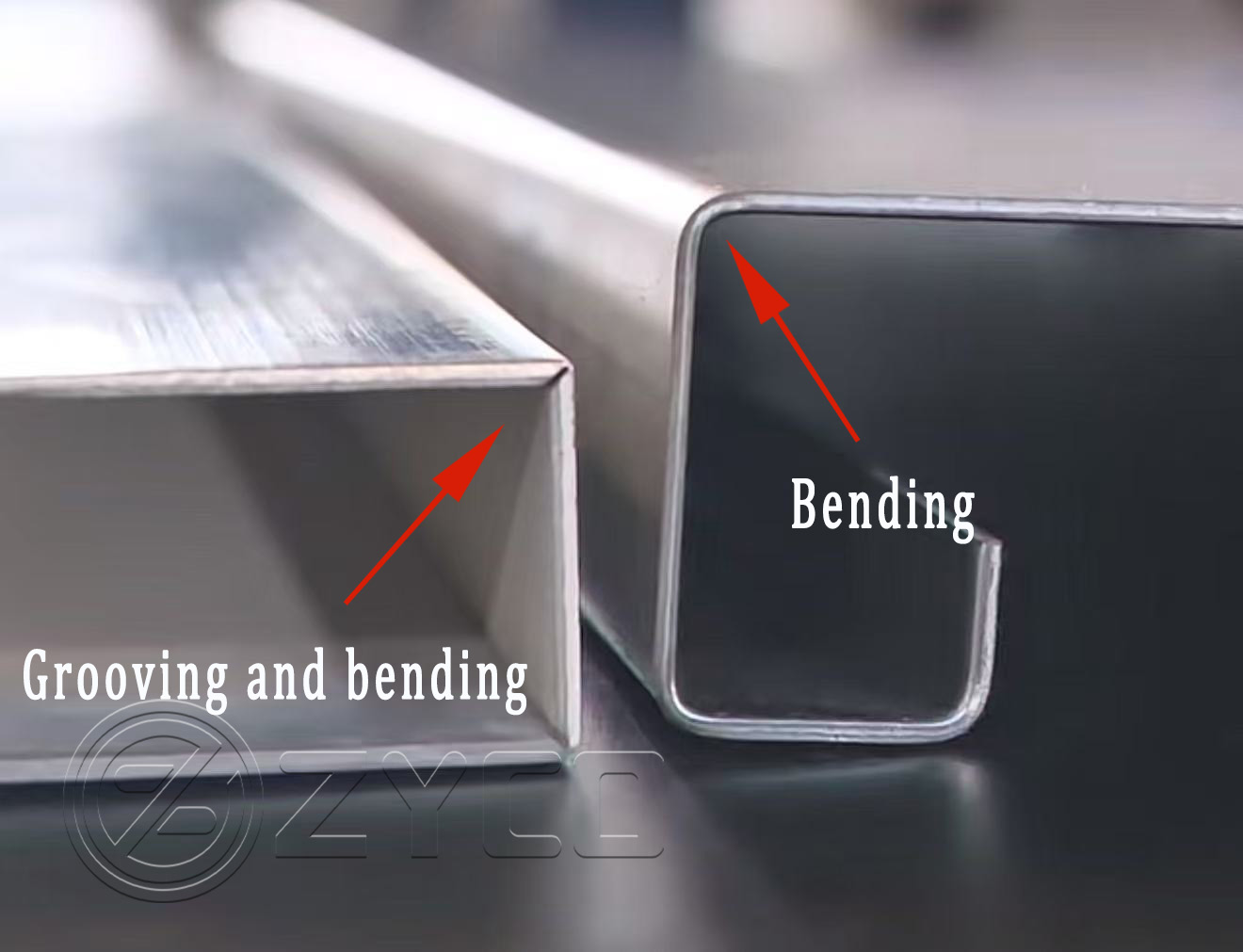
The following will explain why from the perspectives of processing principles and practical applications.
1. Why is it difficult to achieve an extremely small R-angles angle in a single bend?
Traditional bending methods (whether torsion, electro-hydraulic, or purely electric) are subject to the following technical limitations:
1) The material itself has resilience
Metal will automatically bounce back after being bent, returning to a larger angle, and forming a natural rounded corner at the bend. No matter how precise the bending machine is, it cannot completely eliminate this process.
2) The V-shaped opening of the lower die determines the bending R-angle
The larger the lower mold, the larger the R; however, even if a very small V-groove is used, the difference still exists:
Rounded corners are still visible
The outer side of the workpiece is easily damaged
Thick plates are prone to cracking
This makes it difficult to balance "precision", "appearance" and "strength" in a single bend.
3) The thinner the sheet, the more difficult it is to maintain a sharp angle when bending
Stainless steel sheets with a thickness of 0.8–1.2mm often require sharp edges, but when the material is too thin during bending, the R-angle is still obvious and it is easy to twist and deform.
2. How to make the R of the bend close to a right angle when grooving?
When the fold line is pre-treated using a grooving machine, the bending effect is significantly changed:
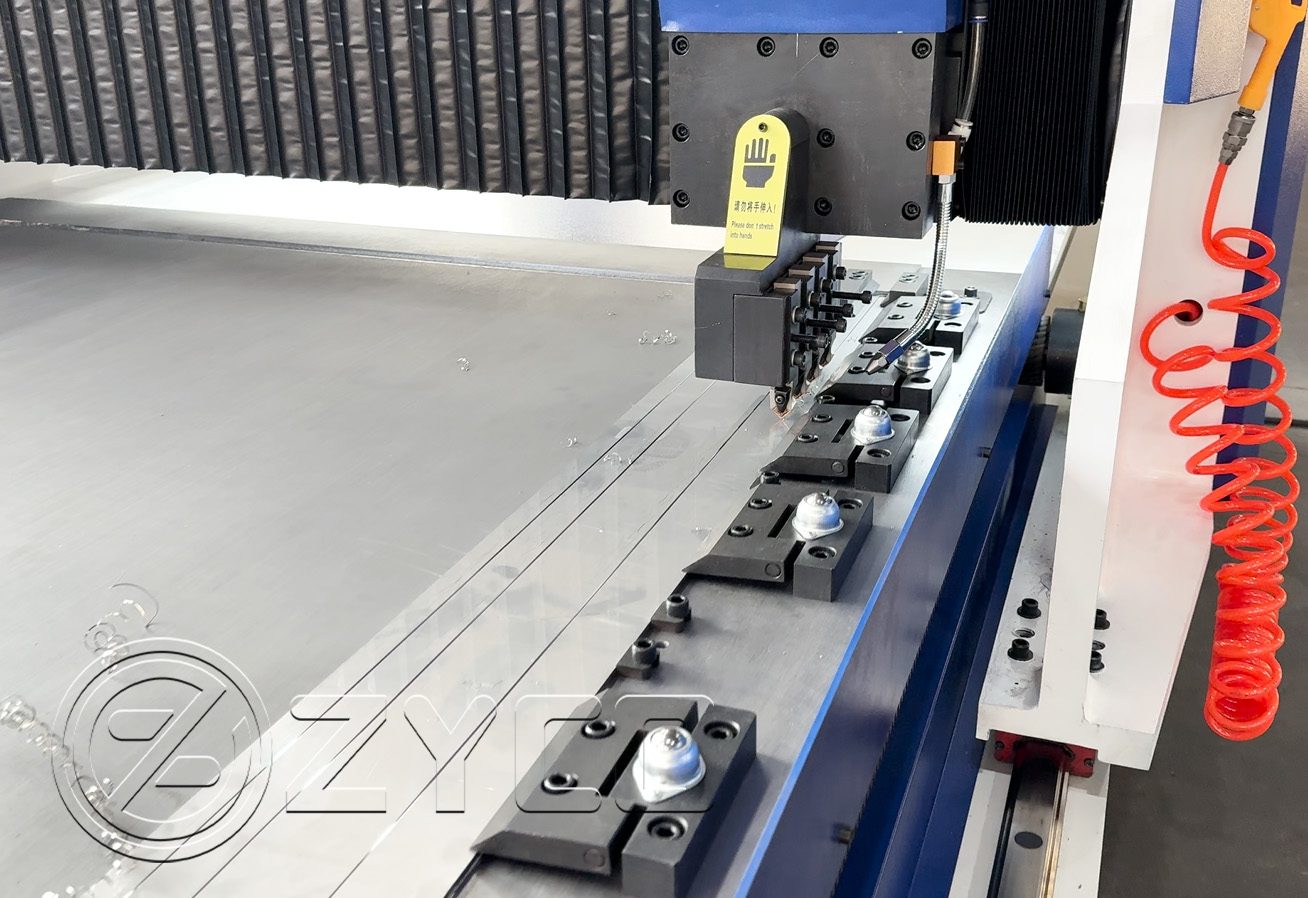
1) By thinning the bending area, the material is made to "fold along the line"
Grooving involves removing a portion of the material thickness along the bending line, making it easier for the sheet material to conform to the curved surface of the mold at the bending line, resulting in more concentrated creases and more even stress distribution.
The effect after bending is usually:
The R-angle almost disappears
Sharp and clean bending edges
Visually closer to a perfect 90° angle
2) Material rebound is significantly reduced
The material thickness remaining after grooving is very thin, and the springback behavior is almost eliminated, making it easier to achieve the accuracy requirement of ±0.3° after bending.
3) More friendly to sheet metal — no surface marks, no wrinkling
Grooving reduces bending force, making thin sheets less prone to:
leave indentations
Surface scratches
Wrinkles or deformation
This significantly improved the product's appearance.
3. In workpieces with strict R-angle requirements, three key scenarios where grooving is more effective than a single bend
1) Elevator industry: Requires "straight edges and sharp lines"
Mirror panels are most susceptible to bending marks. Grooving allows for the maintenance of elegant straight edges when bending, giving the panel a more premium feel.
2) Architectural decoration: Inside and outside corners must be "sharp and distinct"
Curtain wall aluminum panels, door frame moldings, etc., usually require that the edges be folded without rounded corners, otherwise it will affect the overall visual effect.
3) Precision equipment casing: pursuing a seamless visual appearance
Server racks, automated equipment enclosures, and the like require the sharpest possible edges to appear more compact and refined.
In these situations, a single bend is insufficient, and grooving becomes almost the standard procedure.
4. Grooving + bending ≠ increased costs, but rather enhanced competitiveness
Many factories consider grooving an extra step, but after actually trying it, they find that the benefits far outweigh the costs.
The defect rate dropped significantly
More consistent appearance
Customer complaints decreased
High-end orders are easier to meet the standards
Factory overall image improvement
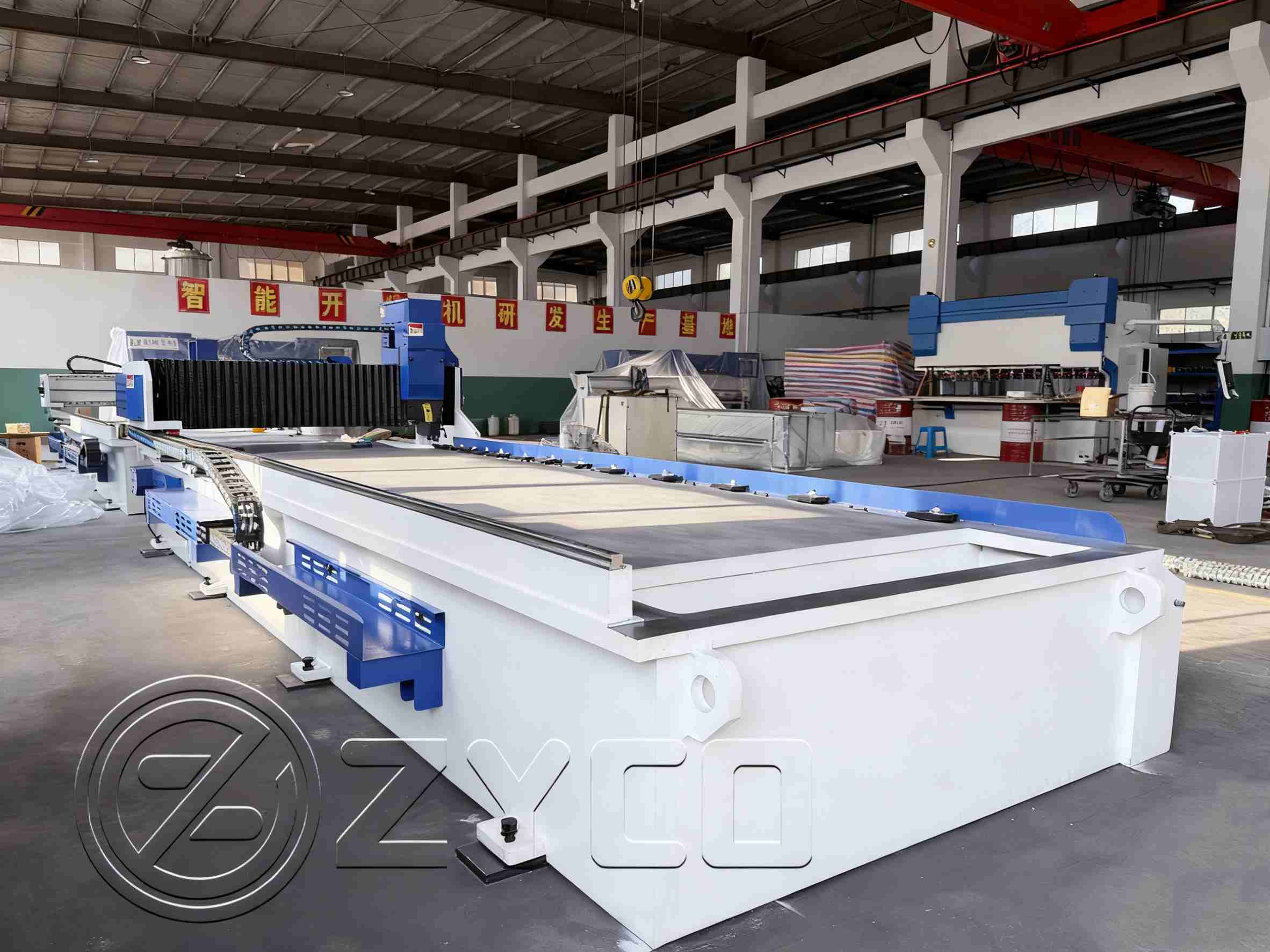
Under the same equipment conditions, factories that can perform grooving have a significantly stronger order-taking capacity than factories that can only perform bending.
5. Summary
For products with stringent requirements for R-angle, there is always a technical limit to the ability to bend in one go. Grooving technology, on the other hand, raises this limit, making the bending effect go from "can be done" to "doing it beautifully".
If you want to improve the appearance of your products, increase bending accuracy, or enter a higher-end market, a grooving machine is a key piece of equipment that is well worth considering.
If you need further information on how grooving can be applied to your products, please feel free to let me know. I can provide more professional advice based on your industry, sheet material, and drawings.
prev Why are grooving machines indispensable for high-end sheet metal processing?
next 9 Essential Safety Points to Understand Before Using High-Temperature Magnetic Drive Pumps