current location : Home » categoires :
Preventive Measures for Mechanical Seal Failure and Damage in Centrifugal Pumps
Preventive Measures for Mechanical Seal Failure and Damage in Centrifugal Pumps
Centrifugal pumps are critical equipment in the oilfield gathering and transportation process. The mechanical seal is a vital component of the centrifugal pump, used to prevent medium leakage. Failure of the mechanical seal directly affects the stable operation of the equipment, leading to downtime for repairs, which impacts the gathering and transportation schedule and the economic benefits of the enterprise. Regarding the issue of mechanical seal failure and damage in centrifugal pumps, Anhui Shengshi Datang analyzes it based on the operating principles of centrifugal pumps and derives the following preventive measures.
1. Implement Proper Seal Assembly
Before assembling the mechanical seal, thorough preparations are essential. This includes inspecting the integrity and cleanliness of all assembly parts. Sealing components should be stored in a dust-free, dry environment to avoid contamination by dust and impurities. Simultaneously, necessary tools and materials should be prepared according to the technical specifications of the equipment manufacturer to ensure a smooth assembly process.
The installation of the mechanical seal must strictly follow the installation manual and standards provided by the manufacturer. Before assembly, carefully read the relevant technical documentation to understand the seal's structure and working principle, and clarify the installation sequence and methods for each component. Any operation not performed according to the specified procedures may lead to seal failure.
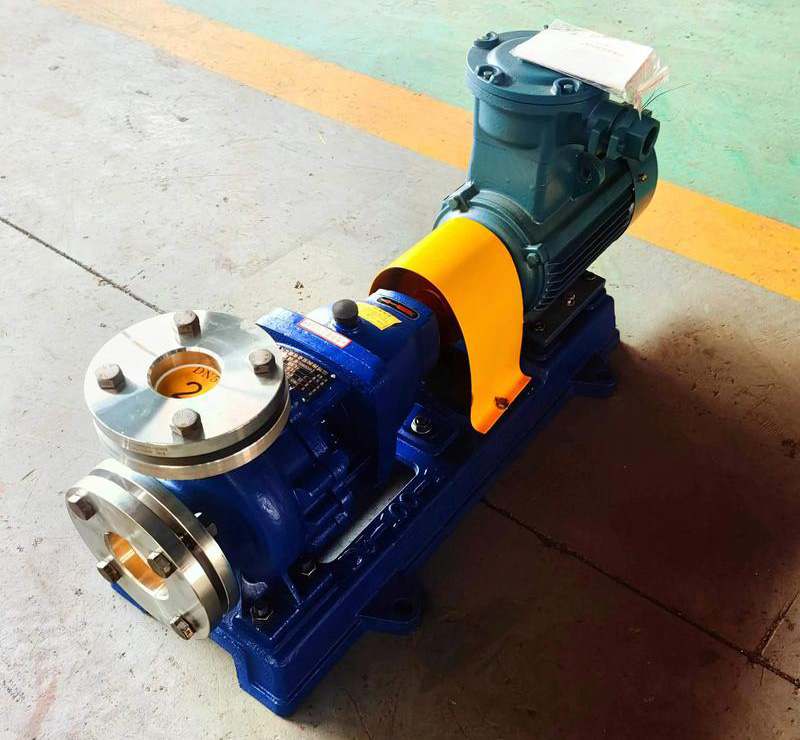
During the assembly of the mechanical seal, ensuring the alignment and concentricity of the stationary and rotating rings is crucial. Incorrect alignment can cause uneven contact on the sealing faces, leading to leakage. Special alignment tools can be used to ensure the seal components are on the same axis. Simultaneously, during assembly, check the pump shaft's diameter and concentricity to avoid wear caused by misalignment.
When assembling the mechanical seal, it is essential to apply uniform installation pressure. Use specialized tools to apply torque gradually according to the manufacturer's recommended values, ensuring fasteners are evenly stressed. Excessive or insufficient pressure can lead to poor contact of the sealing faces, increasing wear risk and causing leakage.
After completing the assembly, dynamic testing should be performed to verify the effectiveness of the mechanical seal. Through trial operation, observe for any leakage phenomena. During the testing process, operational parameters should be recorded to promptly identify and address potential issues.
2. Focus on Maintenance Management
Regular inspection of the mechanical seal is the foundation for ensuring its normal operation. A detailed inspection plan should be established to conduct comprehensive checks on the mechanical seal periodically. Observe the flatness and smoothness of the sealing faces, and check for cracks, scratches, or other damage. Ensure the spring has good elasticity without deformation or fracture. Inspect the wear condition of the seal seat, pump shaft, and other related components to ensure their proper functioning.
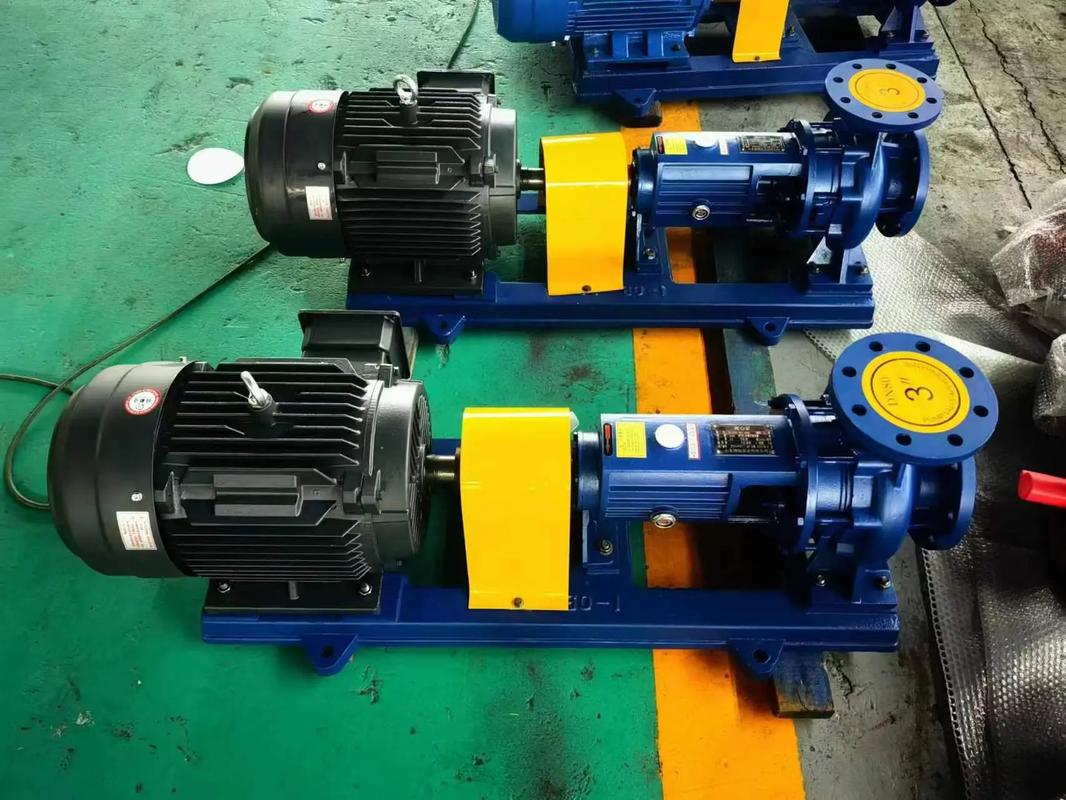
Cooling water is key to the normal operation of the mechanical seal, and its quality directly affects the seal's performance. Regularly test the chemical composition of the cooling water to ensure it is free from corrosive substances and solid impurities. Simultaneously, maintain the flow rate and temperature of the cooling water within appropriate ranges to effectively reduce the operating temperature of the sealing faces and prevent seal failure due to overheating.
During the operation of the mechanical seal, proper lubrication is crucial for maintaining normal contact between the sealing faces. Regularly check and replace the lubricant according to the manufacturer's recommendations. The selection of lubricant should comply with the characteristics of the seal materials. Avoid using lubricants incompatible with the seal materials to prevent adverse effects on seal performance.
Even under normal operating conditions, mechanical seals will eventually lose their sealing performance due to long-term wear. Therefore, a reasonable replacement cycle should be established to regularly replace severely worn seals, ensuring the normal operation of the equipment. When replacing seals, strictly follow the installation specifications to ensure the performance of the new seal meets requirements.
3. Enhance Maintenance Efforts
Establishing a scientific and reasonable maintenance plan is the foundation for enhancing maintenance efforts. Based on the usage conditions, working environment, and historical failure records of the centrifugal pump, define the maintenance cycle, content, and personnel. Regular preventive maintenance can effectively prevent minor faults from escalating into major problems, ensuring the normal operation of the mechanical seal.
After each maintenance, detailed maintenance records should be kept, including the maintenance date, content, issues found, actions taken, and parts replaced. These records not only provide a basis for subsequent maintenance but also help analyze the causes of failures and improve maintenance quality.
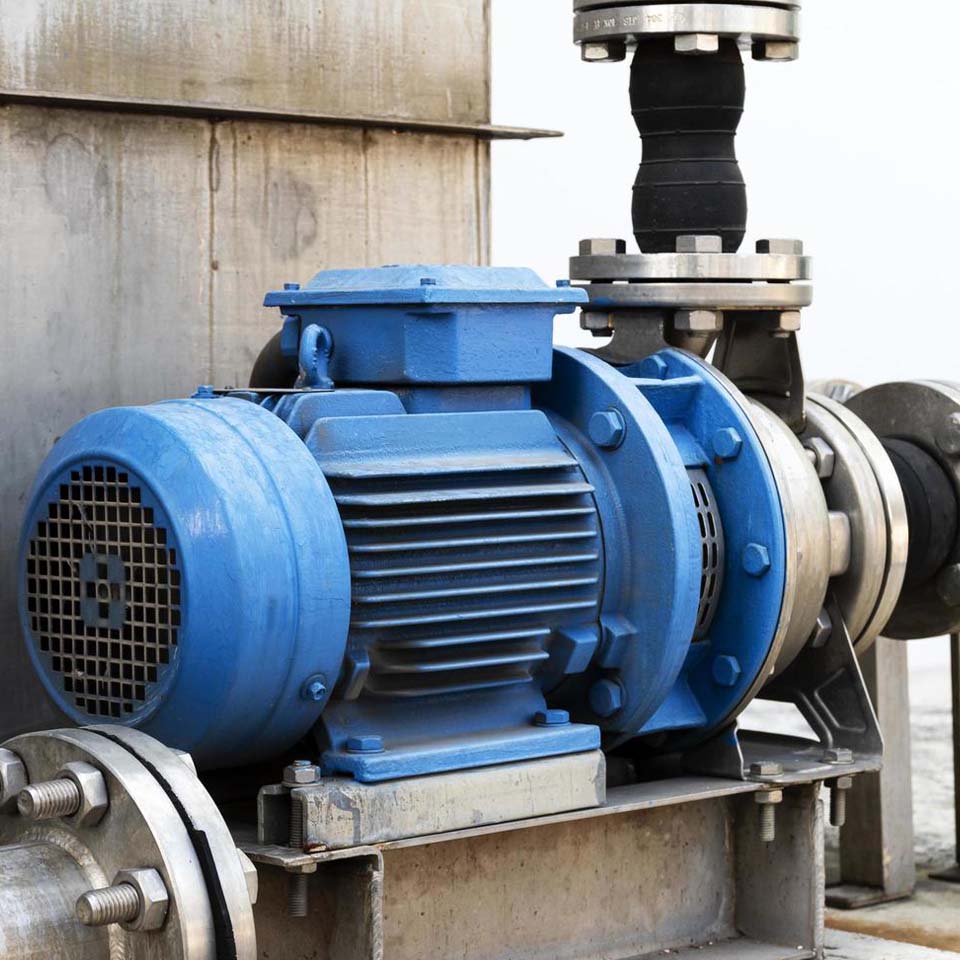
Real-time monitoring of the operating parameters of the centrifugal pump allows for the timely detection of abnormalities. Using an online monitoring system can promptly issue alarms when seal abnormalities occur, preventing further escalation of faults. Through data analysis, factors affecting the performance of the mechanical seal can be identified, enabling the formulation of corresponding improvement measures.
4. Strengthen Personnel Management
Defining the responsibilities of each position is the foundation of strengthening personnel management. Clear job description documents should be developed based on the operational and maintenance needs of the centrifugal pump. Each employee's work content, scope of responsibility, and assessment criteria should be clearly defined to ensure that all tasks during equipment maintenance and fault handling are assigned to specific individuals, forming a clear chain of responsibility.
Conduct regular training sessions focused on centrifugal pumps and mechanical seals to enhance employees' professional skills and fault-handling capabilities. Training content should cover the structure, working principles, common failures and their handling methods, maintenance, and inspection procedures of mechanical seals. By disseminating professional knowledge, employees' awareness of the importance of mechanical seals is enhanced, improving the standardization and safety of their operations.
Establish a scientific assessment mechanism to regularly evaluate employees' work performance. Assessment content should include technical proficiency, work attitude, fault-handling ability, and teamwork spirit. Through assessment, employees can be motivated to actively participate in the maintenance and management of mechanical seals, thereby improving overall work efficiency and quality.
Welcome to purchase magnetic pumps and centrifugal pumps.
prev Prevention Measures for Centrifugal Pump Cavitation
next Protection Measures Against Demagnetization of Magnetic Drive Pumps