Introduction: Are you still troubled by problems such as dust storms, the inability to automatically load high-sided trucks, and loading speeds falling short of expectations in the cement loading process? Traditional robotic arms and stacking head solutions, due to their inherent defects, have never provided a perfect solution. Today, Xiamen Gachn presents the world's first "In-Cargo" Intelligent Cement Loading Machine (ICO), which will let you witness a true revolution in loading.
"In-Cargo" is the core essence of our technology. It completely overturns the traditional method of "throwing" or "placing" bagged cement outside the truck bed, innovatively allowing the loading head to directly extend into the truck bed for low-position, precise stacking operations.
Simply put, our equipment "enters the truck bed" to work, while other equipment operates "outside the truck bed." This fundamental difference brings about a comprehensive performance leap forward.
(Traditional palletizing head/robotic arm operating outside the truck bed, generating significant dust and unable to handle high-sided trucks; Right: Gachn's "in-carriage" palletizing head extends deep into the truck bed for precise low-position palletizing.)
II. Three Core Advantages of "In-Carriage" Palletizing, Addressing Industry Pain Points
Advantage 1: Full Vehicle Compatibility, No Vehicle Can Hinder It
Pain Point: Most truck loading machines on the market cannot effectively handle high-sided trucks, resulting in a large number of vehicles still requiring manual loading, rendering automation impossible.
Our Solution: With its in-carriage palletizing head, our equipment can easily adapt to various vehicle types, from low-sided to extra-high-sided trucks. Through self-developed intelligent 3D scanning and palletizing algorithms, the system can automatically identify vehicle types and intelligently employ various palletizing modes such as horizontal, vertical, or a combination of horizontal and vertical palletizing, achieving a vehicle compatibility rate of over 90%.
(How Gachn equipment intelligently adjusts palletizing strategies for vehicles with different sideboard heights)
Advantage Two: High Efficiency and Dust-Free Operation, Locking in Dust at the Source
Pain Point: Traditional robotic arms' high-position bag throwing and high-position bag dropping are the main causes of dust pollution at the loading site.
Our Solution: The "in-cargo" design achieves low-position bag stacking. The drop difference between the bagged cement from the machine head to the bottom of the truck bed is minimal, fundamentally reducing dust generated by the impact of falling bags. Combined with a high-efficiency central dust collection system (which can utilize existing plant systems for modification), residual dust can be captured instantly, ensuring a clean and environmentally friendly loading site.
Advantage Three: High Speed and Stability, Efficiency Far Exceeding Expectations
Pain Point: Many traditional solutions advertise speeds that do not match actual speeds; the actual speed of robotic arms is often only 70-80 tons/hour, becoming a bottleneck for production capacity.
Our Solution: Gachn's "in-cargo" loading machine achieves a stable high-speed loading capacity of 100-120 tons/hour. We employ a distributed layout, ensuring stable and reliable mechanical structures with an extremely low failure rate, guaranteeing continuous and efficient equipment operation to truly meet the high-intensity shipping demands of modern cement plants.
III. More Than Just Equipment, a Smart Solution
The "in-carriage" intelligent loading machine integrates a 3D vehicle scanning system, intelligent palletizing algorithms, and a Schneider Electric high-end control system, achieving full automation from vehicle recognition and position correction to planned palletizing and precise execution. Drivers only need to swipe their cards and input information; the equipment completes all subsequent tasks, truly achieving unattended intelligent loading.
Conclusion: Choosing the Gachn "in-carriage" intelligent loading machine is not a simple equipment replacement, but a complete upgrade to the traditional loading model. It means higher efficiency, a better environment, wider applicability, and lower overall operating costs.
Are you eager to witness firsthand how "in-carriage" loading solves your practical problems?
As the auto industry shifts to electric vehicles (EVs), many parts are changing—including the forged wheels. But what role will they play in the EV era, and how are they adapting to new needs? The future looks bright, with tech and sustainability innovations shaping the next generation of forged wheels, like wholesale aluminum alloy forged wheels and special versions. EVs are heavier than gas-powered cars because of their battery packs. That makes cutting unsprung weight be more important than ever. Forged car wheels are produced from 6061-T6, it is more lighter but more stronger. And can do customized design, are very perfect for the EVs. By reducing unsprung weight, they boost an EV’s range and performance. This is the key points for both buyers and makers. Wholesale aluminum alloy forged wheels will be crucial here, since they’re an affordable option for mass-produced EVs.
Innovation in forging techniques is also driving the future. Advanced methods like rotary forging use rotational force to shape wheels, resulting in a more uniform grain structure and even greater strength. This allows for more complex designs, giving manufacturers greater flexibility to create unique wheel styles that complement the sleek aesthetics of EVs. Additionally, these techniques reduce material waste, making production more efficient and sustainable.
Sustainability is another key focus. Manufacturers are increasingly using recycled aluminum in forged wheel production, which requires less energy than virgin aluminum. This lowers carbon emissions and aligns with the EV industry’s commitment to sustainability. As consumers become more eco-conscious, demand for sustainable products like recycled aluminum forged wheels will grow.
The rise of EVs is also creating new demand for specialized forged wheels. For example, some EVs require larger wheels to accommodate battery packs or advanced braking systems, leading to the development of new sizes and designs. Customzied forged wheels may evolve to fit these new models, ensuring compatibility and performance.
In conclusion, the EV era is opening up new opportunities for forged wheels. With their ability to improve range, performance, and sustainability, forged wheels will be a critical component in the future of automotive design. Whether it’s wholesale aluminum alloy forged wheels for mass-produced EVs or innovative, specialized variants for high-end models, the future of forged wheels is bright—and closely tied to the success of electric vehicles.
Forged wheels aren't just for sports cars—they're a great upgrade for lots of vehicles.
But why do off-road cars, luxury cars, and more rely on them? It's because they offer top-notch performance and durability that meet each vehicle's unique needs. Let's see how forged wheels—like T6061-T6 forged wheels improve different rides.
High-performance and race cars need forged wheels. These vehicles require lightweight parts to boost speed and agility, and forged wheels deliver. Their strong-yet-light design cuts unsprung weight, leading to faster acceleration, sharper handling, and shorter stops. T6061-T6 forged wheels are popular here—they balance strength and lightness perfectly for racing's tough demands.
Off-road vehicles face rough terrain, rocks, and impacts. Forged wheels resist bending and cracking way better than cast ones, making them more reliable. Off-road car fans often upgrade to forged wheels to avoid wheel failure during adventures, so they can tackle even the hardest trails with confidence.
Luxury vehicles get benefits too. Beyond performance, forged wheels can have detailed designs that make the car look better. Manufacturers often offer customized forged wheels as upgrades for luxury cars and SUV cars—their size and bolt pattern fit many models, adding a fancy touch without hurting performance. They match the vehicle's premium look perfectly.
Even heavy-duty trucks and commercial vehicles use forged wheels. These vehicles carry big loads, so wheels that handle weight without breaking are a must. Forged wheels let trucks work safely and efficiently, even under constant stress.
From racing to off-roading to luxury, forged wheels fit each vehicle type's needs. Their versatility, strength, and performance make them essential—they're not just an upgrade, but a must-have for drivers who want the best.
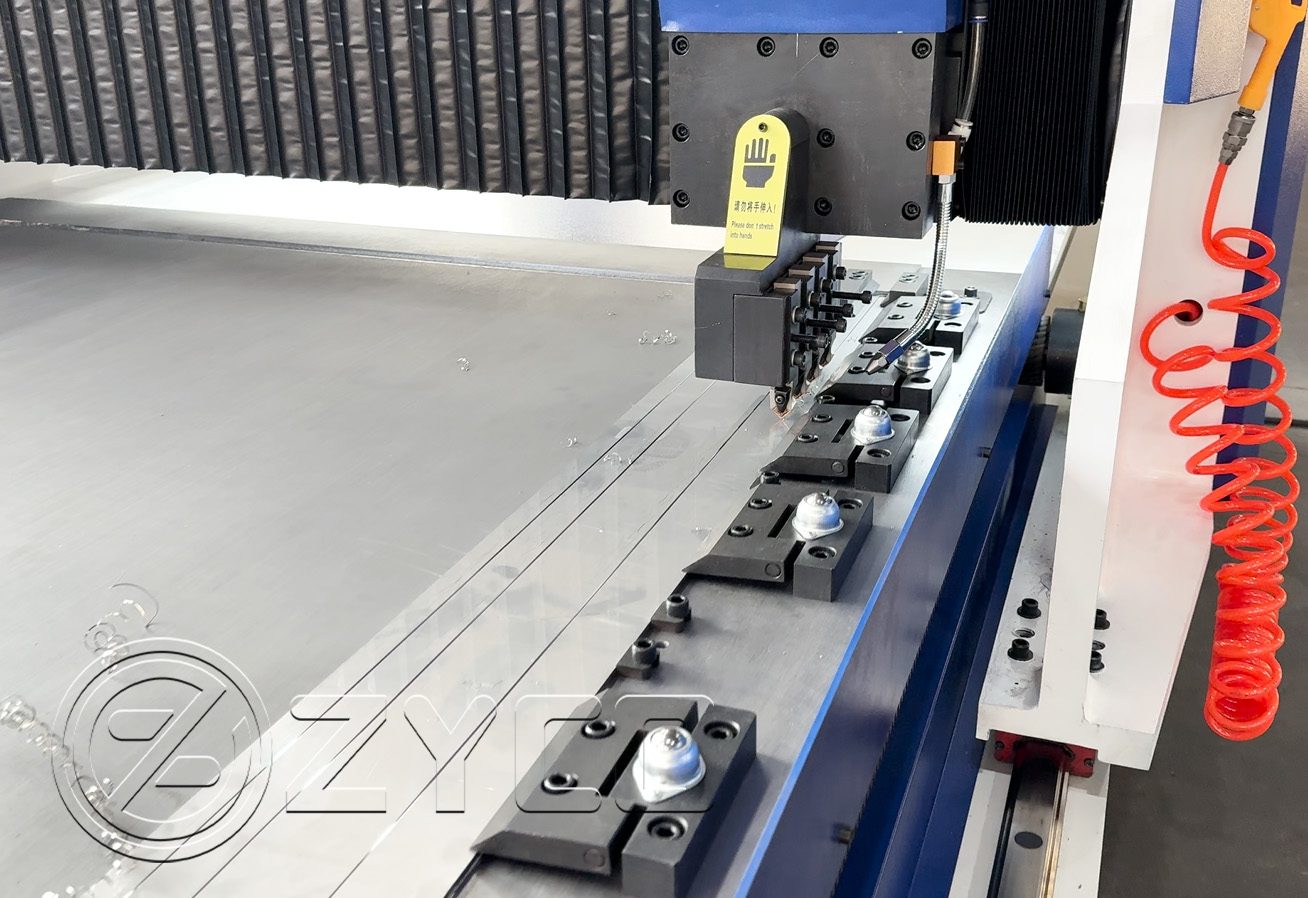
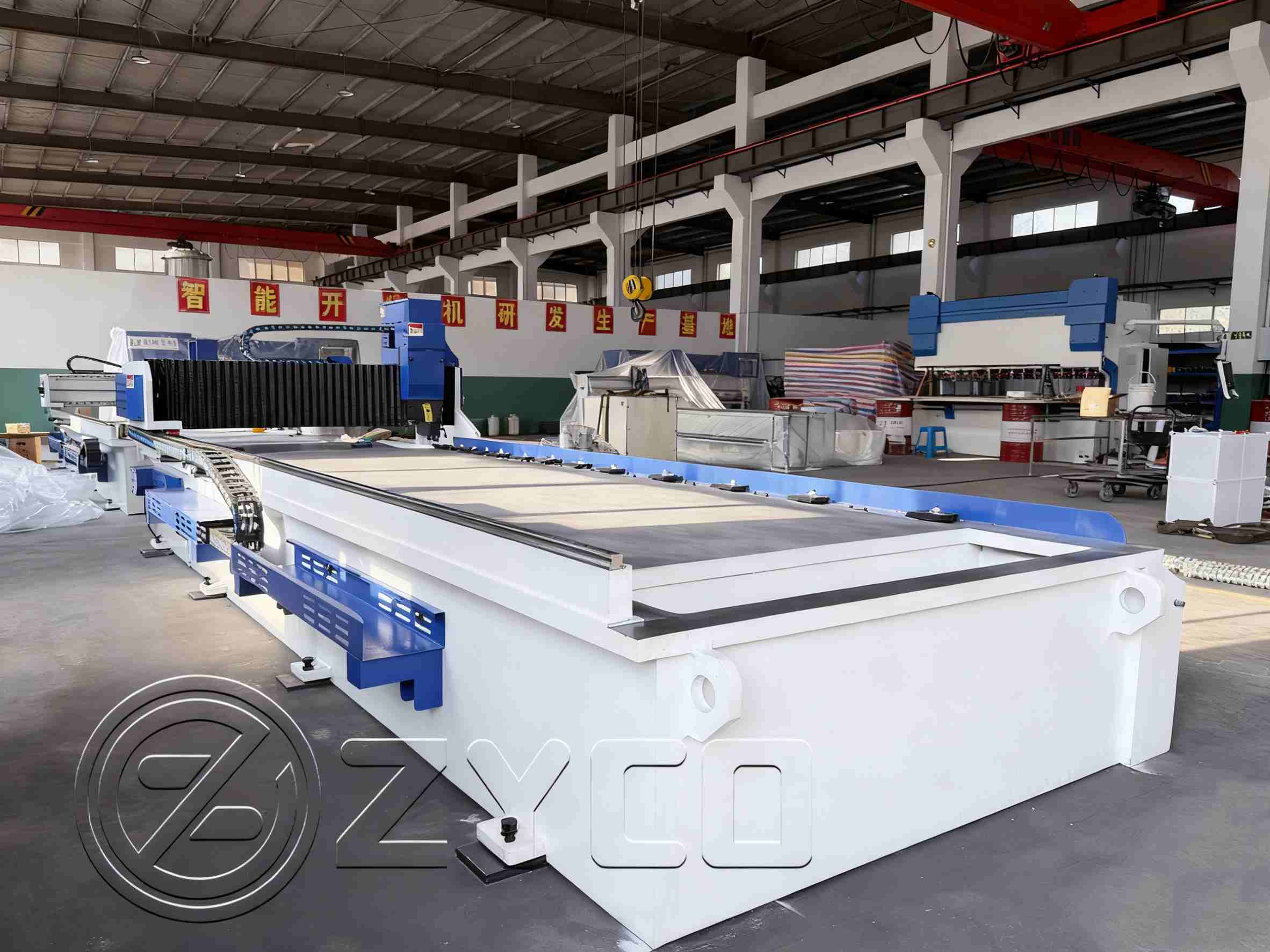
Computer Numerical Control (CNC) machines have become the foundation of modern manufacturing, enabling precise, automated, and efficient machining processes. They are used across various industries, including automotive, aerospace, electronics, and general engineering, to produce parts with high accuracy and consistency.
Understanding the various types of CNC machines is crucial for selecting the appropriate equipment for specific production requirements. Each category—such as milling, turning, drilling, grinding, and cutting machines—serves distinct purposes and offers unique advantages in terms of precision, speed, and material compatibility.
What Is a CNC Machine?
A CNC machine (Computer Numerical Control machine) is an automated tool that uses computer programming to control machining operations with high precision. Instead of being manually operated by a machinist, the CNC system follows coded instructions—often written in G-code—to move cutting tools or workpieces along defined paths.
CNC machines are widely used to perform complex manufacturing tasks such as milling, turning, drilling, and grinding, allowing manufacturers to produce parts with exceptional accuracy, repeatability, and speed. Each movement, tool change, and feed rate is controlled automatically, ensuring consistent quality across large production runs.
The concept of CNC machining evolved from traditional manual control systems in the mid-20th century, when punched tape and numerical codes were first used to automate metal cutting. Today, CNC technology integrates advanced control systems, sensors, and even AI to enhance process stability and efficiency.
In modern factories, CNC machines are not limited to metal cutting. They are also applied to plastics, composites, ceramics, and wood, making them indispensable across industries such as automotive, aerospace, medical, and electronics manufacturing.
In essence, CNC machines have transformed the way manufacturers approach precision engineering—bridging the gap between human craftsmanship and digital automation.
Complete List of CNC Machines
CNC machines come in a wide variety of types, each designed for specific machining operations and material requirements. They differ in structure, tool configuration, and the type of motion they perform—linear, rotary, or a combination of both. Below is a comprehensive list of the most common CNC machine types, along with their main functions and typical applications.
Type of CNC Machine
Main Function
Common Applications
CNC Milling Machine
Removes material using rotating cutting tools along multiple axes (X, Y, Z)
Molds, dies, precision parts, metal housings
CNC Turning Machine (Lathe)
Rotates the workpiece while a stationary cutting tool shapes it
Shafts, bushings, fasteners, cylindrical parts
CNC Drilling Machine
Creates holes of precise depth and diameter using automated drill bits
Engine blocks, plates, and mechanical components
CNC Grinding Machine
Uses abrasive wheels for surface finishing and precision tolerances
Enlarges or finishes existing holes with high accuracy
Engine cylinders, large castings, heavy machinery parts
CNC Plasma Cutting Machine
Cuts through electrically conductive materials using a high-temperature plasma arc
Sheet metal fabrication, automotive frames
CNC Laser Cutting Machine
Uses focused laser beams for precise, high-speed cutting and engraving
Thin metal sheets, electronics, signage, fine components
CNC EDM (Electrical Discharge Machine)
Removes material by electrical discharges between the tool and workpiece
Hard materials, molds, dies, aerospace components
CNC Router
Cuts and shapes softer materials using rotary tools
Wood, plastic, foam, composite parts
CNC Engraving Machine
Used for detailed engraving, marking, and fine pattern cutting
Jewelry, mold marking, nameplates, logos
CNC Machining Center
A multifunctional system combining milling, drilling, tapping, and tool changing
Precision components, high-volume manufacturing
5-Axis CNC Machine
Offers advanced multi-directional machining for complex geometries
Aerospace, medical implants, turbine blades
CNC machines can range from simple 2-axis models to complex 5-axis or multi-tasking machining centers that integrate turning and milling in one setup. The right type depends on the required precision, material type, production volume, and part complexity.
CNC Milling Machines – The Backbone of Precision Machining
Among all CNC machine types, CNC milling machines are considered the most versatile and widely used in modern manufacturing. They operate by rotating cutting tools along multiple axes—typically X, Y, and Z—to remove material from a stationary workpiece and shape it into the desired geometry.
CNC milling machines are classified mainly into vertical and horizontal configurations:
Have a horizontally positioned spindle, allowing gravity-assisted chip removal and better efficiency in machining large or heavy parts.
Advanced models, such as 5-axis CNC milling machines, provide additional rotational movements, enabling complex surface machining in a single setup. This reduces setup time, increases accuracy, and is especially valuable for industries such as aerospace, medical device manufacturing, and high-precision mold making.
Key performance factors for CNC milling machines include spindle speed, feed rate, travel distance, and tool capacity. Modern systems are often equipped with automatic tool changers (ATC) and high-speed spindles that support simultaneous multi-tool operations.
CNC Turning Machines – Precision in Round Components
CNC turning machines, commonly known as CNC lathes, are designed for producing rotationally symmetrical parts with exceptional accuracy. Unlike milling machines, which move the cutting tool around a stationary workpiece, CNC turning machines rotate the workpiece while a stationary cutting tool removes material. This makes them ideal for manufacturing shafts, bushings, fasteners, and cylindrical components that require high surface finish and tight tolerances.
Modern CNC turning machines are typically categorized by the number of controlled axes and their machining capabilities:
2-Axis CNC Lathes:
These are the standard type, featuring two controlled axes—X and Z. They perform essential operations such as facing, turning, threading, and grooving with high efficiency.
3-Axis and C-Axis Lathes:
Include an additional C-axis, enabling the spindle to be indexed or continuously rotated for basic milling, drilling, and tapping operations.
Designed for complex, multi-operation machining in one setup, reducing the need for part repositioning and manual handling.
Swiss-Type CNC Lathes:
Features a sliding headstock and guide bushing system, allowing ultra-precise machining of small-diameter parts for medical, electronics, and watchmaking industries.
Equipped with advanced CNC control systems and automatic tool changers, modern turning centers deliver outstanding precision, speed, and repeatability. They are widely used in automotive, aerospace, and hydraulic manufacturing, where performance and consistency are critical.
CNC Drilling, Boring, and Grinding Machines
Beyond milling and turning, CNC drilling, boring, and grinding machines play vital roles in achieving precision holes, fine tolerances, and high-quality surface finishes. Each type serves a specific purpose in the machining process and is indispensable for complete manufacturing solutions.
CNC Drilling Machines
CNC drilling machines are designed to create accurate holes with controlled depth and diameter. They can be equipped with multiple spindles or turret heads, allowing several holes to be drilled simultaneously. Advanced models support tapping, countersinking, and reaming operations within a single cycle. These machines are commonly used in automotive, aerospace, and machinery component production, where precise alignment and hole consistency are essential.
CNC Boring Machines
Boring machines are used to enlarge and finish existing holes with extreme accuracy. CNC boring centers often handle large workpieces such as engine blocks, machine bases, and heavy castings. Horizontal boring machines, in particular, offer superior stability and are ideal for deep-hole machining. Their computer-controlled feeds and spindle movement ensure exact dimensional tolerances, even in large-scale production.
CNC Grinding Machines
CNC grinding machines employ abrasive wheels to achieve fine surface finishes and tight dimensional accuracy. Depending on configuration, they can perform surface grinding, cylindrical grinding, or internal grinding. These machines are essential for producing tools, bearings, dies, and precision components, where micron-level accuracy is required.
Together, CNC drilling, boring, and grinding machines form a critical part of the machining ecosystem—delivering accuracy, consistency, and high-quality surface integrity for modern industrial manufacturing.
5-Axis CNC Machines
A 5-axis CNC machine represents the most advanced form of CNC machining technology. It can move a tool or a part along five different axes simultaneously — the traditional X, Y, and Z linear axes, plus two additional rotary axes (A and B). This configuration allows the tool to approach the workpiece from virtually any direction.
5-axis machines are used for complex geometries and high-precision components, such as those found in aerospace, medical, and automotive industries. They are ideal for parts that require machining on multiple faces or have intricate curves that would otherwise need multiple setups.
Advantages:
Capable of producing highly complex and contoured surfaces
Reduces setup time — multiple sides can be machined in one pass
Improves accuracy by minimizing repositioning errors
Enhances surface finish due to smoother tool movements
Common applications:
Turbine blades and impellers
Aerospace structural parts
Artificial joints and medical implants
High-performance automotive components
CNC Machine Components
A CNC machine is made up of several key components that work together to ensure precision, speed, and reliability. Understanding these parts helps users operate, maintain, and troubleshoot their machines more effectively.
1. Control Panel (CNC Controller)
The CNC controller is the “brain” of the machine. It interprets the G-code instructions from the program and sends precise commands to the motors and actuators.
Functions: program input, coordinate control, and error detection
Example: Fanuc, Siemens, Mitsubishi, or Heidenhain controllers
2. Machine Bed
The machine bed serves as the foundation of the CNC machine. It supports all other components and absorbs vibrations during machining to maintain accuracy.
Usually made of cast iron or mineral composite for high stability and rigidity.
3. Spindle
The spindle is the rotating component that holds and drives the cutting. tool. Its performance directly affects machining speed and surface finish.
Can be belt-driven, gear-driven, or direct-drive (built-in) type.
High-speed spindles are essential for precision machining of aluminum and composite materials.
4. Tool Changer
The automatic tool changer (ATC) enables the machine to switch between different cutting tools automatically, increasing efficiency and reducing downtime.
Common types: drum-type and chain-type tool changers.
Typical capacity: 16 to 60 tools, depending on the machine size.
5. Axis Drive System
The axis drive system controls movement along each axis (X, Y, Z, and others).
Ball screws and linear guideways ensure smooth and precise positioning.
Servo motors or stepper motors drive the axes with feedback control.
6. Worktable
The worktable is where the workpiece is mounted, often using fixtures, vises, or clamps.
Can move in multiple directions depending on the machine type.
In 5-axis machines, the table may tilt or rotate for multi-face machining
7. Coolant and Lubrication System
These systems maintain temperature stability and prevent tool wear.
Coolant removes heat and chips from the cutting area.
Lubrication ensures the smooth movement of mechanical components.
How Does a CNC Machine Work?
A CNC machine operates by following computerized instructions to automate the machining process. The process starts with a digital design, usually created in CAD (Computer-Aided Design) software. This design is then converted into G-code or M-code, which serves as the machine's instruction set.
Step 1: Programming and Setup
The operator loads the part design into the CNC controller.
Material is fixed on the worktable using clamps, vises, or fixtures.
The appropriate cutting tool is installed in the spindle or tool turret.
Step 2: Machine Motion
The CNC controller interprets the G-code commands to control each axis of the machine.
Linear axes (X, Y, Z) move the tool or workpiece precisely, while rotary axes (A, B, C) allow complex orientation in multi-axis machines.
The servo motors and ball screws ensure smooth, accurate, and repeatable movements.
Step 3: Material Removal
The cutting tool engages the workpiece, removing material according to the programmed path.
Spindle speed, feed rate, and depth of cut are controlled automatically to maintain quality and prevent tool wear.
For multi-operation machines, the automatic tool changer (ATC) switches tools as needed without stopping the program.
Step 4: Monitoring and Feedback
Modern CNC machines have sensors and feedback systems to monitor spindle load, tool wear, and axis position.
The controller adjusts movements in real-time to ensure precision and repeatability.
By combining digital programming, precise mechanical motion, and automated tool handling, CNC machines can produce high-precision components efficiently, consistently, and with minimal human intervention—making them indispensable in modern manufacturing.
Applications of CNC Machines in Different Industries
CNC machines are widely used across various industries due to their precision, efficiency, and versatility. Understanding their applications helps manufacturers and engineers choose the right machine type for their production needs.
1. Aerospace Industry
CNC machines produce turbine blades, engine components, and structural airframe parts.
High-speed and multi-axis CNC machining ensures tight tolerances and complex geometries required for safety-critical aerospace components.
2. Automotive Industry
Commonly used for engine blocks, crankshafts, gears, and custom vehicle parts.
CNC milling and turning machines improve production speed while maintaining consistent quality across mass production lines.
3. Electronics and Electrical Equipment
CNC routers and small milling machines are used for circuit boards, aluminum housings, and precision enclosures.
The high accuracy of CNC ensures reliable fits and smooth finishes, essential for electronic assemblies.
4. Medical and Healthcare
CNC machining is critical for implants, surgical instruments, and prosthetic components.
Machines with 5-axis or multi-axis capabilities can produce complex organic shapes with micron-level precision.
5. General Manufacturing and Tooling
CNC machines support mold making, die production, and custom mechanical parts.
Surface grinding, drilling, and milling capabilities allow manufacturers to produce high-precision tools and components efficiently.
6. Energy and Heavy Machinery
CNC boring and turning machines handle large castings, turbine components, and hydraulic equipment.
High stability and automated control ensure consistent accuracy for heavy-duty industrial parts.
Conclusion
CNC machines have transformed modern manufacturing, offering precision, automation, and versatility. From milling and turning to drilling, grinding, and multi-axis machining, each type serves specific purposes across industries like aerospace, automotive, electronics, and medical.
Understanding the list of CNC machines and their applications helps manufacturers select the right equipment for their production needs. With advances in AI, IoT, and automation, CNC machines now deliver higher efficiency, accuracy, and the ability to handle complex part geometries.
By choosing the right CNC machine, manufacturers can improve productivity, maintain quality, and stay competitive in 2025.
The combination of "cryogenic" and "biomedical" often points to high-precision, advanced, and high-value technologies. Here, "cryogenic" typically refers to deep cold environments ranging from -40°C to -196°C (liquid nitrogen temperature) or even lower.
Standard motors face severe challenges in low-temperature environments:
Material Embrittlement: Lubricants solidify, seals fail, plastic components become brittle.
Performance Degradation: Magnet properties change, potentially leading to torque loss and reduced positioning accuracy.
Condensation Issues: When a motor operating in a cold environment returns to room temperature, moisture condenses on its surface, causing short circuits and corrosion.
Therefore, cryogenic stepper motors are specially designed and manufactured products with the following characteristics:
Special Lubrication: Uses specialized greases that maintain lubricity at low temperatures or solid lubricants.
Material Selection: Employs materials with stable mechanical properties at low temperatures, such as specific stainless steels, low-temperature plastics, and composites.
Thermal Design: Accounts for thermal expansion and contraction of materials under extreme temperature variations to prevent structural damage.
Anti-Condensation Treatment: May involve measures like vacuum encapsulation or filling with inert gas.
Main Application Areas of Cryogenic Motors in the Biomedical Industry,Here are several core and rapidly growing application scenarios:
1. Automated Biobanks
This is the most typical and widespread application. Biobanks are used for the long-term storage of biological samples like blood, tissue, DNA, and cells, typically preserved in -80°C ultra-low freezers or -196°C liquid nitrogen tanks.
Application Scenario: In robotic arms or conveyor systems inside ultra-low freezers or liquid nitrogen tanks.
Motor Role: Drives robotic arms for picking, storing, organizing, and retrieving samples.
Technical Requirements:
High Reliability: If the system fails, repairs require warming the entire storage environment, potentially causing the loss of millions of samples with immense cost. Therefore, motors must be extremely reliable.
Precise Position Control: Needs to accurately locate individual test tubes or cryoboxes within dense sample racks.
Continuous Cryogenic Operation: Motors must operate stably 24/7 in deep cryogenic environments without "seizing" or experiencing insufficient torque.
2. Cryogenic Transfer/Dispensing Systems
In pharmaceutical or biological reagent production processes, liquids or semi-fluids need dispensing, capping, sealing, etc., in low-temperature environments.
Application Scenario: Installed on automated production lines within freezing chambers or glove boxes.
Motor Role: Drives pumps, valves, lead screws, and timing belts to achieve precise volume dispensing and container transfer.
Technical Requirements:
Smooth Motion: Avoids splashing of precious biological materials or bubble generation due to jerky movements.
Corrosion Resistance: May be exposed to trace amounts of chemical reagents or biological vapors.
3. Medical Cryogenic Centrifuges
Certain specialized biological separation processes (e.g., separation and purification of cells, viruses, proteins) need to be performed at low temperatures to preserve biological activity.
Application Scenario: Driving the lid open/close mechanism of centrifuges, or driving rotor balancing systems in large centrifuges.
Motor Role: Provides stable, reliable linear or rotary motion, ensuring automation of operations within cryogenic laboratories.
Technical Requirements:
Rapid Response & High Torque: Especially for lid locking mechanisms, sufficient torque and fast action are required.
Low Vibration: Any excess vibration affects centrifuge balance and sample quality.
4. Cryogenic Microscopy and Imaging Systems
To observe dynamic processes or structures of biological samples (e.g., live cells, tissue sections) at low temperatures, microscopes equipped with cooling stages are used.
Application Scenario: Integrated into the movement control system of the cryogenic sample stage.
Motor Role: Drives precision X-Y-Z movement of the stage, focus adjustment, and objective turret switching.
Technical Requirements:
Ultra-High Precision & Resolution: Microstepping control of the motor must be very fine to achieve sub-micron positioning.
Minimal Heat Generation: Heat generated by motor operation must be minimized to avoid affecting the temperature stability of the sample stage and the sample itself.
No Magnetic Interference: Some imaging techniques (e.g., MRI) are highly sensitive to electromagnetic interference, potentially requiring non-magnetic or low-magnetic models.
Cryo-EM is a revolutionary technique in structural biology. Its sample preparation process needs to be performed in a vitrified state at liquid nitrogen temperatures.
Application Scenario: In automated plunge freezers or cryo-milling instruments.
Motor Role: Controls critical parameters like the plunge speed of the sample rod, contact force and time of blotting paper, etc.
Technical Requirements:
Extremely High Repeatability: The success rate of sample preparation highly depends on the repeatability of each step.
Compatibility with High & Low Speeds: Requires both rapid plunging and fine micro-adjustment movements.
Future Trends:
With the rapid development of precision medicine, gene therapy, and biopharmaceuticals, the demand for automated and intelligent cryogenic processing equipment is growing increasingly strong. As the core drive component of this equipment, the precision, reliability, integration, and intelligence (e.g., built-in sensor feedback) of cryogenic motors will continue to improve to meet more demanding future application requirements.
Stone, a material steeped in history and revered for its durability and aesthetic appeal, has long been a cornerstone of architecture, design, and art. Yet, working with stone—especially hard varieties like granite, basalt, and quartzite—has always posed unique challenges. Traditional cutting methods often struggle with complexity, precision, and efficiency, limiting what’s achievable. Enter 5-axis stone cutting machines—a technological leap that’s transforming the stone processing industry by turning once-impossible designs into reality, all while boosting productivity and reducing waste.
The Core Advantages: Why 5-Axis Stands Out for Stone Cutting
To understand the impact of 5-axis stone cutting machines, it’s essential to contrast them with their 3-axis counterparts. While 3-axis machines move along the X, Y, and Z linear axes, 5-axis systems add two rotational axes (usually A and C, or B and C). This extra mobility isn’t just a minor upgrade—it’s a game-changer for stone, a material that demands both care and precision. Here’s how their key features elevate stone cutting:
1. Unrivaled Flexibility for Complex Cuts
Stone projects often require more than straight lines—think curved kitchen countertops, sculpted building facades, or custom stone arches. 3-axis machines hit a wall here: to reach all angles of a complex design, operators must repeatedly reposition the stone, increasing the risk of misalignment and errors. 5-axis machines eliminate this hassle. Their spindle (the component holding the cutting tool) can tilt and rotate freely around the stone, accessing every nook and cranny in a single setup. This means seamless, continuous cuts for organic shapes, intricate reliefs, and even 3D sculptural elements—no more disjointed seams or compromised designs.
2. Pinpoint Precision for Flawless Results
Stone is unforgiving: a tiny miscalculation can ruin an expensive slab. 5-axis stone cutters are engineered for accuracy, with heavy-duty frames that minimize vibration (a major enemy of precision) and advanced feedback systems (such as linear encoders) that ensure cuts are consistent to within 0.005mm. This level of precision is critical for applications like luxury bathroom vanities, where stone slabs must fit perfectly with fixtures, or architectural details that need to match digital blueprints exactly. For example, when crafting a marble tabletop with a curved edge and integrated drainage groove, a 5-axis machine ensures every curve and groove is uniform, with no uneven spots.
3. Reduced Waste, Lower Costs
Stone slabs are costly—wasting even a small section due to a cutting mistake can translate to hundreds or even thousands of dollars in losses. 5-axis machines address this with intelligent tool path optimization. Their software analyzes the stone slab (including natural features like veins or small cracks) and maps out the most efficient cutting route, maximizing the use of the material. Additionally, since there’s no need for repositioning, there’s less risk of accidental damage during handling. Studies show that 5-axis machines reduce stone waste by 20-40% compared to 3-axis systems, a significant saving for businesses operating on tight margins.
4. Versatility Across Stone Types
Not all stones are created equal: marble is soft and porous, granite is dense and hard, and limestone is prone to chipping. 5-axis stone cutting machines adapt to these differences effortlessly. They support a wide range of cutting tools—from diamond-tipped blades for rough shaping to fine engraving tools for delicate details—and their software lets operators adjust key parameters (cutting speed, feed rate, spindle power) based on the stone’s hardness and texture. This versatility means one machine can handle everything from cutting large granite slabs for commercial flooring to carving intricate marble accents for high-end homes.
Real-World Applications: Where 5-Axis Stone Cutters Make a Difference
The flexibility and precision of 5-axis technology have made it a staple in several key industries. Here are some of the most impactful use cases:
1. Architectural and Construction
Architects and construction firms rely on 5-axis machines to create custom stone elements that define a building’s character. For instance, a modern skyscraper might use 5-axis-cut stone facade panels with curved edges and 3D-engraved patterns to stand out from the crowd. Historic restoration projects also benefit: when restoring a centuries-old church with damaged stone columns, a 5-axis machine can scan the original column, then cut a replacement that matches every detail—from the fluting to the decorative capitals—with perfect accuracy.
2. Residential and Commercial Interior Design
Interior designers are using 5-axis stone cutters to craft one-of-a-kind pieces that elevate living and working spaces. In kitchens, this means countertops with seamless curves, built-in cutting boards, or even personalized engravings (like a family’s initials). In hotels and restaurants, 5-axis-cut stone bar tops with organic shapes or marble wall panels with intricate reliefs add a touch of luxury. For example, a high-end hotel in Paris used a 5-axis machine to create a marble reception desk with a flowing, wave-like design—something that would have been nearly impossible to achieve with traditional methods.
3. Memorial and Monument Industry
Memorials, tombstones, and mausoleums require both precision and emotional resonance. 5-axis machines excel here, allowing for detailed engravings of portraits, religious symbols, or even 3D reliefs of loved ones. Unlike hand carving, which can take weeks and may vary in quality, a 5-axis machine can produce a custom tombstone in 1-2 days, with crisp, consistent details that honor the deceased. For a war memorial, 5-axis cutting can also create uniform stone plaques with the names of fallen soldiers—ensuring every name is clear and perfectly aligned.
4. Art and Sculpture
Artists are pushing the boundaries of stone art with 5-axis technology. Sculptors can now translate digital sketches into large-scale stone sculptures with complex, interlocking forms. For example, an artist might design a abstract marble sculpture with twisting curves and hollowed-out sections—details that would be physically exhausting and time-consuming to carve by hand. The 5-axis machine handles the rough cutting, allowing the artist to focus on refining the details, saving time while preserving their creative vision.
The Future of 5-Axis Stone Cutting: What’s Next?
As technology evolves, 5-axis stone cutting machines are becoming even more powerful. Two trends to watch include:
AI-Driven Efficiency: New software uses artificial intelligence to analyze stone slabs in real time, identifying flaws (like cracks or weak spots) and adjusting the cutting path to avoid them. This not only reduces waste but also ensures the final product is structurally sound. AI can also predict tool wear, alerting operators when to replace a blade—preventing errors caused by dull tools.
Integration with 3D Scanning and Printing: Pairing 5-axis machines with 3D scanners lets operators create digital replicas of existing stone pieces, making restoration and customization easier than ever. Some manufacturers are even exploring 3D printing of stone dust (a byproduct of cutting) into new materials, which can then be cut with 5-axis machines—creating a more sustainable, circular process.
Is a 5-Axis Stone Cutting Machine Right for Your Business?
If your business focuses on:
Creating complex, custom stone designs that 3-axis machines can’t handle
Reducing material waste and lowering production costs
Working with a variety of stone types while maintaining consistent quality
Then a 5-axis stone cutting machine is a smart investment. While the upfront cost is higher than 3-axis systems, the long-term savings in time, waste, and labor—plus the ability to take on more complex projects—make it a worthwhile choice for growing businesses.
In the world of stone processing, 5-axis cutting machines aren’t just tools—they’re enablers. They turn bold ideas into tangible, lasting stone creations, whether it’s a skyscraper’s facade, a family’s memorial, or an artist’s masterpiece. As technology continues to advance, the possibilities for what we can create with stone are only going to expand—and 5-axis machines will be at the center of it.
In the world of stoneworking, where durability meets artistry, the tools that shape natural stone have evolved dramatically over the decades. From traditional chisels and hammers to computer numerical control (CNC) routers, each innovation has pushed the boundaries of what’s possible with granite, marble, limestone, and other hard stone materials. Today, 5-axis stone engraving machines stand at the forefront of this evolution, redefining efficiency, precision, and design freedom for craftsmen, architects, and manufacturers alike.
What Makes 5-Axis Stone Engraving Machines Unique?
Unlike 3-axis machines, which operate along the X, Y, and Z linear axes, 5-axis systems add two rotational axes (typically A and C, or B and C). This extra degree of movement isn’t just a “nice-to-have”—it’s a game-changer for stone, a material known for its density and brittleness. Let’s break down their core features and why they matter for stone fabrication:
1.Unmatched Maneuverability for Complex Shapes
Stone carving often demands intricate details: curved countertops, sculptural facades, or custom (tombstones) with 3D reliefs. 3-axis machines struggle here—they require repositioning the stone multiple times to access hard-to-reach areas, increasing the risk of errors and material waste. With 5 axes, the spindle (the part that holds the cutting tool) can tilt and rotate around the stone, reaching every angle in a single setup. This means no more manual adjustments, no more mismatched seams, and the ability to create seamless, organic shapes that were once impossible with CNC technology.
2. High Precision Even on Hardest Stones
Granite, with a Mohs hardness rating of 6-7, can wear down tools and compromise accuracy if a machine lacks stability. 5-axis stone engravers are built with heavy-duty frames, high-torque motors, and advanced feedback systems that ensure every cut is precise to within 0.01mm. This level of accuracy is critical for applications like kitchen countertops, where tight seams between stone slabs must be invisible, or architectural details that need to match digital designs exactly.
3. Reduced Material Waste and Faster Production
Stone is expensive—wasting even a small slab due to a cutting error can cost hundreds of dollars. 5-axis machines minimize waste by optimizing tool paths: their software calculates the most efficient way to carve, avoiding overcuts and ensuring maximum use of each slab. Additionally, since they don’t require repositioning, production times are cut by 30-50% compared to 3-axis machines. For manufacturers handling large orders, this speed translates to faster turnaround and higher profit margins.
4. Compatibility with Diverse Stone Types
Whether you’re working with soft marble (ideal for sculptures) or dense basalt (used in outdoor paving), 5-axis machines adapt. They support a range of cutting tools—from diamond-tipped end mills for fine detailing to large routers for rough shaping—and their software allows operators to adjust parameters (speed, feed rate, spindle power) based on the stone’s properties. This versatility means one machine can handle multiple projects, from delicate art pieces to heavy-duty construction components.
Real-World Applications: Where 5-Axis Stone Engravers Shine
The flexibility of 5-axis technology makes it indispensable across several key industries. Here are some of the most impactful use cases:
1. Architectural Stonework
Architects and builders rely on 5-axis machines to create custom stone elements that elevate a building’s design. Think curved stone columns for a historic-style museum, 3D-engraved facade panels for a modern office tower, or intricate cornices that replicate classical designs.
2. Custom Furniture and Interior Design
Kitchen and bathroom designers are using 5-axis machines to craft one-of-a-kind countertops with curved edges, integrated sinks, or even personalized engravings (like family crests or quotes). In luxury homes, marble fireplace surrounds with sculpted floral patterns or granite coffee tables with organic, flowing shapes are now easier to produce—all thanks to the machines’ ability to carve complex curves without seams.
3. Memorial and Monument Creation
Tombstones, mausoleums, and war memorials require both precision and sentimentality. 5-axis engravers can etch high-resolution portraits, detailed religious symbols, or even 3D reliefs of loved ones into stone—something that was once only possible with skilled hand carvers (and took weeks to complete). Today, a memorial company can produce a custom tombstone in 1-2 days, with details that honor the deceased more accurately than ever before.
4. Art and Sculpture
Contemporary artists are pushing the limits of stone art with 5-axis technology. Sculptors like Italy’s Marco Guazzini use 5-axis machines to create abstract marble pieces with smooth, interlocking curves that would be physically impossible to carve by hand. The machines allow artists to translate digital sketches directly into stone, preserving their creative vision while saving time on labor-intensive rough work.
The Future of Stone Fabrication: What’s Next for 5-Axis Tech?
As technology advances, 5-axis stone engraving machines are only getting better. Here are two trends to watch:
AI-Powered Tool Path Optimization: New software uses artificial intelligence to analyze stone slabs (including natural flaws like veins or cracks) and adjust tool paths in real time. This not only reduces waste but also ensures that flaws are hidden in non-visible areas of the final product.
Integration with 3D Scanning: Pairing 5-axis machines with 3D scanners allows for “reverse engineering” of existing stone pieces. For example, if a historic building’s stone window sill is damaged, a scanner can capture its exact dimensions, and the 5-axis machine can carve an identical replacement—no manual measurements needed.
Is a 5-Axis Stone Engraving Machine Right for You?
If you’re a stone fabricator, artist, or architect looking to:
Create complex, seamless designs that 3-axis machines can’t handle
Reduce material waste and speed up production
Work with a wide range of stone types without compromising precision
Then a 5-axis stone engraving machine is an investment worth considering. While the initial cost is higher than 3-axis systems, the long-term savings in time, waste, and labor more than make up for it.
In the end, 5-axis technology isn’t just about making stoneworking easier—it’s about unlocking the full potential of stone as a material. Whether you’re building a skyscraper, designing a home, or creating a work of art, these machines are helping turn bold ideas into tangible, lasting reality.
When it comes to stone processing—whether for grand architectural projects or intricate decorative pieces—precision, consistency, and efficiency are non-negotiable. This is where stone profiling machines step in, transforming raw stone blocks into polished, custom-shaped products that define modern design.
1. Core Functional Features of Stone Profiling Machines
Stone profiling machines are engineered to handle the unique hardness and texture of natural and engineered stones (e.g., marble, granite, quartz, limestone). Their key functions are tailored to simplify complex shaping tasks while maintaining accuracy:
1).Custom Shaping & Profiling: The primary function is to create precise, repeatable profiles on stone edges or surfaces. This includes straight edges, bevels, arcs, bullnoses, ogees, and even intricate decorative patterns (e.g., floral motifs or geometric designs). Unlike manual tools, which rely on human skill and often produce inconsistent results, these machines use pre-programmed templates or CAD designs to replicate shapes flawlessly across hundreds of pieces.
2).Multi-Axis Processing: Advanced models feature 3-axis, 4-axis, or even 5-axis systems, allowing them to work on multiple sides of a stone block simultaneously. This capability is critical for 3D stone products, such as curved countertops, column capitals, or sculptural elements, where precision across all dimensions is essential.
3).Integrated Polishing: Many modern stone profiling machines combine shaping and polishing in one workflow. After cutting or profiling, built-in polishing heads (with varying grits) smooth the stone surface to a high gloss, eliminating the need for separate equipment and reducing production time.
4).Automated Material Handling: To boost efficiency, most machines include automated conveyors, clamps, or robotic arms that load/unload stone slabs. This minimizes manual labor, reduces the risk of injuries, and ensures consistent processing speeds.
5).Real-Time Monitoring & Adjustment: Equipped with sensors and cameras, these machines track cutting depth, pressure, and surface quality in real time. If deviations are detected (e.g., a stone slab with uneven thickness), the system automatically adjusts parameters to maintain precision—avoiding wasted materials and rework.
2. Technical Advantages That Outperform Traditional Methods
Traditional stone processing relies on hand tools (e.g., chisels, grinders) or basic machines, which are slow, labor-intensive, and prone to errors. Stone profiling machines address these limitations with cutting-edge technology, offering unmatched benefits:
1).Superior Precision: Using CNC (Computer Numerical Control) technology, these machines achieve tolerances as tight as ±0.1mm. This is critical for projects like kitchen countertops (where edges must align perfectly) or historical building restorations (where stone pieces must match original designs).
2).Unmatched Efficiency: A single stone profiling machine can process 5–10 times more stone than a team of manual workers. For example, profiling the edges of 10 marble countertops might take 8 hours manually, but a CNC profiling machine can complete the task in 1–2 hours—freeing up labor for other high-value tasks.
3).Reduced Material Waste: Manual cutting often results in 15–20% material waste due to human error. With pre-programmed designs and real-time adjustments, stone profiling machines cut waste to 5% or less. This is a significant cost-saver, especially for expensive stones like rare granite or marble.
4).Versatility Across Stone Types: Whether working with soft limestone or ultra-hard granite, these machines adapt to different material properties. They adjust cutting speed, blade pressure, and polishing grits based on the stone’s hardness, ensuring optimal results without damaging the material.
5).Consistency at Scale: For large projects (e.g., hotel lobbies, shopping malls, or residential complexes), consistency is key. Stone profiling machines replicate the same profile across every stone piece—no matter how many are produced. This eliminates the “handmade” variation that can ruin the aesthetic of a cohesive design.
6).Ease of Use & Programming: Modern machines come with user-friendly interfaces that allow operators to upload CAD designs, adjust parameters, or save templates with just a few clicks. Even operators with minimal technical experience can learn to use them quickly, reducing training time and human error.
3. Key Application Scenarios in the Stone Industry
1).Architectural Curved Decoration: Processes arc plates for building exteriors/interiors, such as curved wall claddings, circular column casings, and arc cornices, enhancing architectural aesthetics.
2).Countertop & Vanity Edge Arc Processing: Creates curved edges (e.g., bullnose, half-round arcs) on stone countertops (marble, granite) and vanity tops, ensuring safe use and sleek appearance.
3).Landscape Curved Elements: Fabricates arc-shaped stone components like curved garden benches, circular fountain rims, and arc paved borders, fitting natural landscape layouts.
4).Tombstone Curved Details: Adds arc plates to tombstones/memorials, such as curved top edges or arc decorative panels, enriching the memorial’s design.
5).Curved Stone Artworks: Produces arc-structured stone crafts (e.g., curved figurine bases, circular decorative plates) for artistic displays, leveraging precise arc processing.
Final Thoughts: Why Stone Profiling Machines Are a Must-Have
In an industry where precision, efficiency, and cost-saving matter, stone profiling machines are no longer a luxury—they’re a necessity. They eliminate the limitations of manual processing, reduce waste, and open up new possibilities for design (e.g., complex 3D shapes that were once impossible to achieve). Whether you’re a large-scale stone manufacturer or a small artisan, investing in a stone profiling machine can help you stay competitive, meet client demands faster, and deliver high-quality products that stand out.
As technology continues to advance, we can expect even more innovations in stone profiling—from AI-powered design tools to faster processing speeds. For now, though, these machines are already transforming the stone industry—one precise cut at a time.
A hydraulic cylinder uses pressurized fluid to make force and movement in a straight line. You can find this device in many machines that need to press, pull, push, or lift heavy things. For example, you see small hydraulic cylinders working in forklifts, excavators, and trash compactors. These cylinders also help lift buildings, process food, and control farming equipment. They are very important in construction, waste management, mining, metal production, and farming.
Hydraulic Cylinder Overview
Definition
Some people call a hydraulic cylinder a hydraulic actuator. This device makes force and movement in a straight line by using pressurized fluid.
A hydraulic cylinder is a mechanical actuator. It gives force in one direction with a single stroke.
It turns hydraulic energy into mechanical movement. This makes the cylinder move in a straight line.
You can find hydraulic cylinders in machines like construction equipment, manufacturing tools, elevators, and civil engineering projects.
Hydraulic cylinders are special because they can make very strong forces.
These cylinders usually work at pressures from 1800 to 3000 psi. Some can go up to 5000 psi.
The force comes from multiplying the pressure by the area inside the cylinder.
Even small cylinders can lift or push heavy things. For example, a 3-inch bore cylinder at 2200 psi can move about 15,000 pounds. A 5-inch bore cylinder can move around 43,000 pounds.
Tip: Use hydraulic cylinders when you need strong and steady movement in a straight line.
Purpose
A stainless steel hydraulic cylinder changes the energy in hydraulic fluid into force. This force moves the piston inside the cylinder. The piston then moves the machine part that is attached to it. Hydraulic cylinders help you control heavy machines with smooth and exact motion. These devices are important in many machines because they give high force for less money. You will see them in factory automation. Their tough and simple designs make them easy to use. Hydraulic cylinders give you a low cost for each unit of force compared to electric actuators.
How Hydraulic Cylinders Work
Principle
A hydraulic cylinder changes fluid pressure into straight movement. When you put pressurized fluid in the cylinder, it pushes a piston. This force moves the piston forward. The piston then moves the machine part connected to it. The force depends on fluid pressure and piston size.
Pascal’s principle says pressure spreads everywhere in the fluid. The pressure is the same at both pistons. So, p1 equals p2. Since p2 equals F2 divided by A2, we get (\frac{F1}{A1}=\frac{F2}{A2}.) This shows how force and area work together in hydraulic systems. This works if pistons are level and there is little friction.
This principle lets hydraulic cylinders lift or push heavy things. You only need a small amount of fluid pressure. The movement stays smooth and easy to control.
Hydraulic cylinders have different pressure levels. Here is a table that shows common pressure ranges and uses:
Cylinder Type
Pressure Range
Applications
Low-Pressure Cylinders
Up to 1,000 PSI
Light jobs like farm equipment
Medium-Pressure Cylinders
1,000 to 3,000 PSI
Building machines and factory tools
High-Pressure Cylinders
Over 3,000 PSI
Tough jobs like mining and steel work
Operation Steps
You can split how a hydraulic cylinder works into easy steps:
Start the System: Turn on the hydraulic pump. The pump sends pressurized fluid into the cylinder.
Fluid Enters the Cylinder: Fluid goes into one side of the cylinder. This makes pressure push against the piston.
Piston Moves: Pressure pushes the piston forward. The piston rod comes out and moves the machine part.
Control the Direction: Valves change where the fluid goes. You can make the piston go out or come back in.
Retraction: To pull the piston back, fluid moves to the other side. Sometimes springs or gravity help bring the piston in.
Cycle Repeats: You can do these steps again and again for your job.
Here is a table that lists important parts and what they do when the piston goes back:
Component
Function
Importance in Retraction Process
Valves
Control fluid flow and direction.
Make sure fluid goes to the right place for retraction.
Release Mechanisms
Help the piston return to start.
Help pull the piston back, sometimes with gravity or weights.
Fluid Pathways
Let fluid move through the system.
Make fluid flow smooth for good cycling.
Return Springs
Help pull the piston back.
Lower the work for the system during retraction.
Non-return Valves
Let fluid go one way only.
Stop fluid from going backward and keep movement steady.
Pressure Relief Valves
Keep pressure safe.
Protect the system from too much pressure when pulling back.
Accumulators
Hold extra pressurized fluid.
Give quick fluid for fast piston retraction.
Control Levers/Switches
Let you start and stop the piston.
Give you control over pulling the piston back.
A compact hydraulic cylinder uses these steps and parts to give strong and steady movement. You can trust this system for hard jobs like lifting or pushing heavy things.
Hydraulic Cylinder Components
Barrel
The barrel forms the main body of the hydraulic cylinder. You find this part holds the pressurized fluid and guides the piston as it moves. Manufacturers use strong materials for barrels to handle high pressure and wear. Most barrels use high-strength alloy steel or carbon steel. These materials give the barrel toughness and help it last longer. Some barrels have chrome plating or a honed surface to reduce friction and stop corrosion.
The barrel’s material matters for durability. Here is a table showing common choices:
Material
Properties
Low Alloy Steel
Strong, flexible, tough, and resists fatigue. Handles extreme temperatures.
Stainless Steel 301
High strength, resists corrosion, easy to weld, and very ductile.
Nickel-Chromium Alloys
Protects against oxidation and corrosion. Good at high temperatures.
Carbon Steel
Durable, affordable, and resists wear. Handles high pressure.
Stainless Steel
Contains chromium for corrosion resistance, great for marine use.
Piston and Rod
The piston sits inside the barrel and moves when fluid pushes against it. The rod connects to the piston and sticks out of the cylinder. You use the rod to move or lift things. The piston creates force, and the rod carries this force to the outside.
The piston uses seals to stop fluid from leaking past it.
The rod must be strong and smooth to avoid bending and reduce wear.
Component
Role
Key Features
Piston
Moves inside the barrel to create force.
Has seals to stop leaks and helps fluid flow smoothly.
Rod
Connects piston to outside load.
Made from strong steel, smooth surface, size depends on job.
Most rods use carbon steel, like C45 or 40Cr, for strength and cost savings. Stainless steel works well if you need corrosion resistance.
Seals
Seals keep the hydraulic fluid inside the cylinder and block dirt from getting in. You need good seals to keep pressure steady and avoid leaks. Seals must handle high pressure and temperature changes. You find different types of seals for different jobs:
Wiper Seals: Clean the rod as it moves, made from tough polyurethane.
Static Seals: Stay in one place, made from rubber or metal, resist high pressure.
Rotary Seals: Work with spinning parts, made from rubber or PTFE.
Seals protect the inside of the cylinder and help it last longer.
End Caps
End caps close off both ends of the cylinder. You rely on them to keep fluid from leaking out. End caps also guide the piston rod and hold everything in place. They help the cylinder stay strong under heavy loads.
End caps seal the cylinder and keep pressure inside.
They support the rod and piston, making sure they move straight.
End caps often have ports for fluid to enter or leave.
End caps add strength and help the hydraulic cylinder work safely and reliably.
Types of Hydraulic Cylinders
Single-Acting
Single-acting cylinders push or lift in one way. Hydraulic fluid moves the piston rod out. The rod goes back by a spring or the load’s weight. Only one port lets fluid in. This makes single-acting cylinders simple and easy to fix.
Single-acting cylinders are best when you do not need to pull with force.
Here is a table to compare single-acting cylinders with other types:
Feature
Single-Acting Cylinder
Other Types (e.g., Double-Acting)
Direction of Force
One direction only
Both directions
Inlet/Outlet Ports
One port
Two ports
Retraction Mechanism
Passive (weight or spring)
Active (hydraulic force)
You see single-acting cylinders in building, mining, making things, farming, and cars.
Double-Acting
Double-acting cylinders move in both ways. Hydraulic fluid pushes the piston rod out and pulls it back in. You can push and pull with the same force. These cylinders move faster and more exactly.
You control both the rod going out and coming in.
Double-acting cylinders work quicker than single-acting ones.
Advantage
Description
Manoeuvrability
You get better control over movement.
Efficiency
These cylinders use less power and work better.
Variety
Many sizes for stroke and bore are available.
ISO Compliance
Meets world standards for quality.
Double-acting cylinders are used in building, farming, making things, moving stuff, ships, and lifting materials.
Telescopic
Telescopic cylinders are also called multi-stage cylinders. They give a long stroke from a short starting size. These cylinders have tubes inside each other. Each tube, or stage, comes out one after the other. The biggest tube moves first, then the next, until all are out. When going back, the smallest tube goes in first.
Telescopic cylinders are great because they give a long stroke from a small starting size.
You find telescopic cylinders in dump trucks, cranes, drills, trash machines, and farm tools. They help lift or tilt heavy things when space is tight.
Tie-Rod and Welded
Tie-rod and welded cylinders are built in different ways. Tie-rod cylinders use long bolts called tie rods to hold them together. Welded cylinders have the barrel joined to the end caps by welding.
Tie-rod cylinders have bolts that run along the tube.
Welded cylinders have the barrel welded to both end caps.
Feature
Tie-Rod Cylinders
Welded Cylinders
Construction
Tie rods hold parts
Barrel welded to end caps
Pressure Capability
Up to 3,000 PSI
Up to 5,000 PSI or more
Maintenance
Easy to fix
Small, strong design
Durability
Medium
High
Sealing
Regular
Better
Use welded cylinders for high-pressure jobs. They last longer and work well in tough places. Tie-rod cylinders are easier to fix and fit many regular machines.
Hydraulic Cylinder Uses
Construction
Hydraulic cylinders are used on most construction sites. They help lift heavy things and move dirt. Big machines need hydraulic cylinders to work. Excavators move their arms because of hydraulic cylinders. Cranes use them to raise and lower their booms. Bulldozers, loaders, and dump trucks also use hydraulic cylinders. When you need to move a heavy part smoothly, you use a hydraulic cylinder. This technology helps you shape land and build strong buildings.
Manufacturing
Hydraulic cylinders make machines work faster and more exact in factories. Smart hydraulic cylinders can tell when they need fixing.
You get instant feedback about where the piston is. This helps you control machines better.
You can adjust movements to save material and make better products.
These cylinders use energy well and help stop sudden breakdowns.
Your machines last longer and work better.
Faster and more exact machines help you make more things with better quality and fewer stops.
Tip: Smart hydraulic cylinders can improve your factory by making every movement matter.
Agriculture
Farmers use hydraulic cylinders for many jobs on the farm. They help control water in irrigation and change sprinkler heights.
Plows and cultivators use hydraulic cylinders to set how deep and at what angle they work.
Seeders and planters use hydraulic cylinders to put seeds and fertilizer in the right spot.
You get better control of your tools, so you have better harvests and less waste.
Farmers trust hydraulic cylinders for hard work every day. You can rely on them for accurate and steady work in the field.
Hydraulic cylinders use pressurized fluid to make strong, straight movement. These devices have simple parts. The main parts are barrels, pistons, rods, seals, and end caps. There are different types you can pick. You can choose single-acting, double-acting, telescopic, tie-rod, or welded types. Hydraulic cylinders help in many areas. Their features fit many jobs:
Key Features
Applications
High Power Density
Construction
Precision Control
Manufacturing
Durability
Agriculture
Versatility
Automotive
Efficiency
Aerospace
Knowing about hydraulic cylinders helps you choose the right tool. If you want more information or need help, talk to an expert.
When evaluating a valve bag making machine, visible parameters like maximum speed and daily bag production are certainly attractive. However, what truly determines your return on investment is often the quality unseen on the specifications sheet—will it remain as stable as ever after three years? Are its long-term failure rate and maintenance costs controllable?
We firmly believe that an excellent machine is the result of a combination of top-tier genes (core components), a superior framework (manufacturing process), and reliable support (professional service). Today, let's set aside marketing rhetoric and delve into the intricacies of the FK008 to understand the root of its exceptional reliability.
I. Core Component Matrix: A Powerful Alliance of Top Global Brands
The cornerstone of the FK008's performance stems from our uncompromising selection standards for core components. We firmly believe that only first-class input can guarantee first-class output.
System Category
core components
Brand selection (example)
The value it brings to you
Electrical Control
PLC, servo motor, human-machine interface
Schneider (France)
The system's brain provides precise commands, exhibits extremely high stability, and possesses strong anti-interference capabilities.
Pneumatic Systems
Solenoid valve, cylinder, air conditioning unit
SMC (Japan) / Festo (Germany)
Quick and reliable operation, long service life
Transmission and Mechanical
Servo planetary gear reducer
SHIMPO (Japan)
Ensure transmission accuracy and stability under high speed and high load, and eliminate vibration.
Correction system
BST (Germany) / FIFE (USA)
Ensuring that the roll material is always aligned is fundamental to producing a perfect bag shape.
rolling bearings
NSK (Japan) / NTN (Japan)
Extremely low friction and wear ensure smooth and precise long-term operation of the equipment.
Why is this so important? These brands, proven in harsh global industrial environments, signify longer lifespans, higher operational precision, and lower failure rates, fundamentally ensuring the continuity and predictability of your production.
II. Manufacturing Process Highlights: The Essence Lies in the Details
High-quality components require sophisticated manufacturing processes for perfect integration. At Gachn's factory, we pay attention to every detail that can affect equipment lifespan and stability:
**Key Structural Component Reinforcement:** Core transmission and load-bearing components undergo heat treatment, significantly improving the strength, hardness, and toughness of the steel, effectively resisting deformation and fatigue.
**Comprehensive Surface Protection:** After machining, parts undergo rigorous surface treatments (such as chrome plating, phosphating, and powder coating), greatly enhancing their wear and corrosion resistance, adapting to various workshop environments.
**Lean Assembly Standards:** Our assembly engineers follow strict operating instructions to ensure that the torque of every bolt, the sealing of every air passage, and the coaxiality of every transmission component are optimal.
(Images showcasing meticulous installation by workshop engineers, laser cutting, and welding details demonstrate the rigorous manufacturing process.)
III. Professional Complete Line Services: From Single Machines to Turnkey Projects
We understand that you need more than just a bag-making machine; you need a complete solution that consistently produces high-quality products. Gachn Group, with its strong integration capabilities, provides you with:
* Scientific Complete Line Planning: From yarn drawing, circular weaving, coating to bag making, we offer end-to-end equipment and reasonable production capacity design, ensuring seamless integration and maximum efficiency.
* Strong Project Delivery Capabilities: We provide turnkey projects from layout design, installation and commissioning to personnel training, saving you time and effort and enabling rapid production.
IV. Service and Commitment: Ensuring Your Investment is Worry-Free
Choosing Gachn means gaining a long-term, reliable partner. We promise:
* Warranty Commitment: A 12-month warranty on the entire machine.
Ongoing Support: We offer up to 3 years of free upgrades to the control system software and remote technical support.
Professional Training: We dispatch experienced engineers to provide on-site installation, commissioning, and operation and maintenance training, ensuring your team can operate the equipment independently and proficiently.
Ultimate Action Call: Choose Long-Term Stable Production Guarantee
An FK008 valve bag making machine is the culmination of over 200 patents, an integrated platform of top-tier global components, and Gachn Group's ultimate interpretation of "reliability."
It is ready to become the most robust and reliable link in your production line.