current location : home

What is the difference between a spiral mixer and a planetary mixer?

What is the difference between a spiral mixer and a planetary mixer?


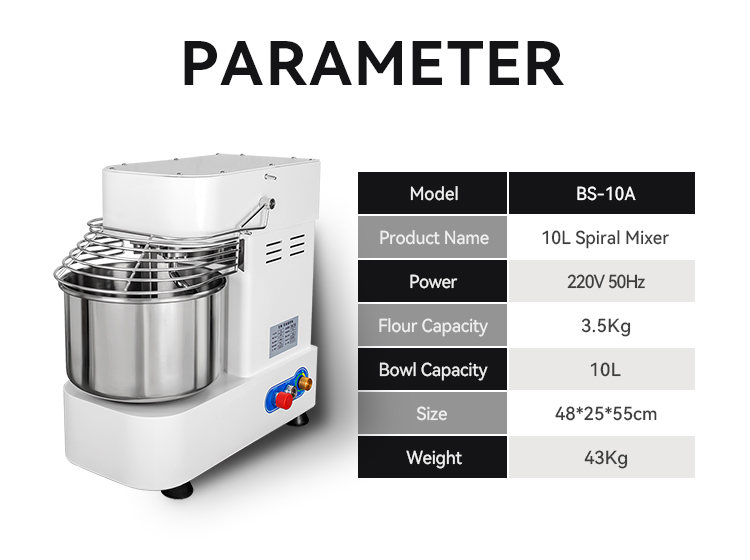
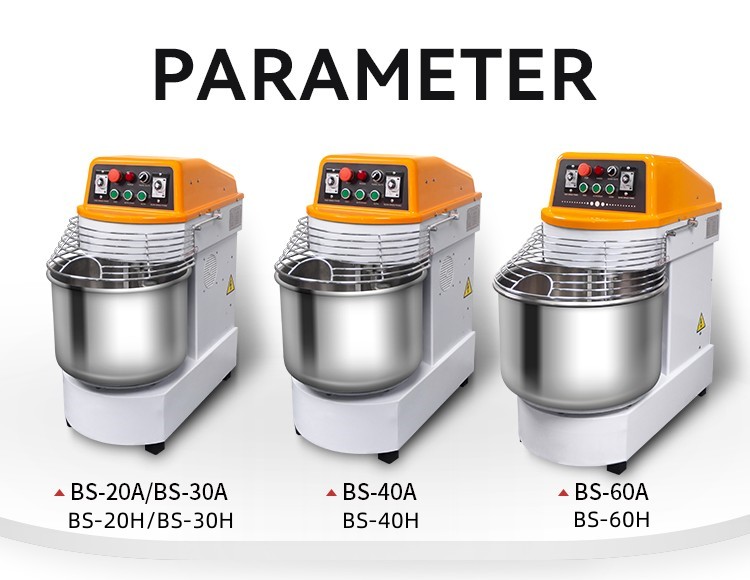
The primary difference between a spiral mixer and a planetary mixer lies in their design and how they mix ingredients.


Spiral Mixer

Design and Mixing Mechanism:

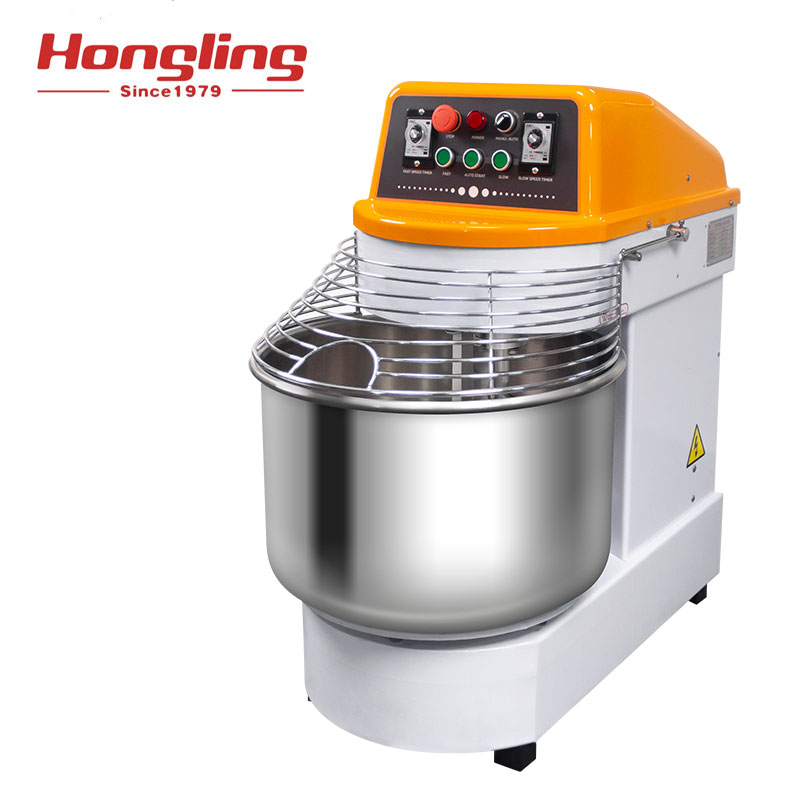
1.Bowl and Spiral Hook: In a spiral mixer, the bowl rotates while a spiral-shaped hook remains stationary or rotates. The spiral hook kneads the dough while the bowl turns, which creates a more consistent mixing action.
2.Dough Mixing: Spiral mixers are specifically designed for dough mixing, making them ideal for bread and pizza dough. They handle heavy doughs well, incorporating air and developing gluten effectively without overheating the dough.
3.Capacity and Efficiency: They usually come in larger capacities and are more efficient for large batches, making them popular in commercial bakeries.


Planetary Mixer

Design and Mixing Mechanism:

1.Fixed Bowl and Rotating Attachments: In a planetary mixer, the bowl remains fixed, and the mixing attachment (which could be a whisk, paddle, or dough hook) rotates around its own axis while simultaneously revolving around the center of the bowl (like a planet orbiting around the sun, hence the name).
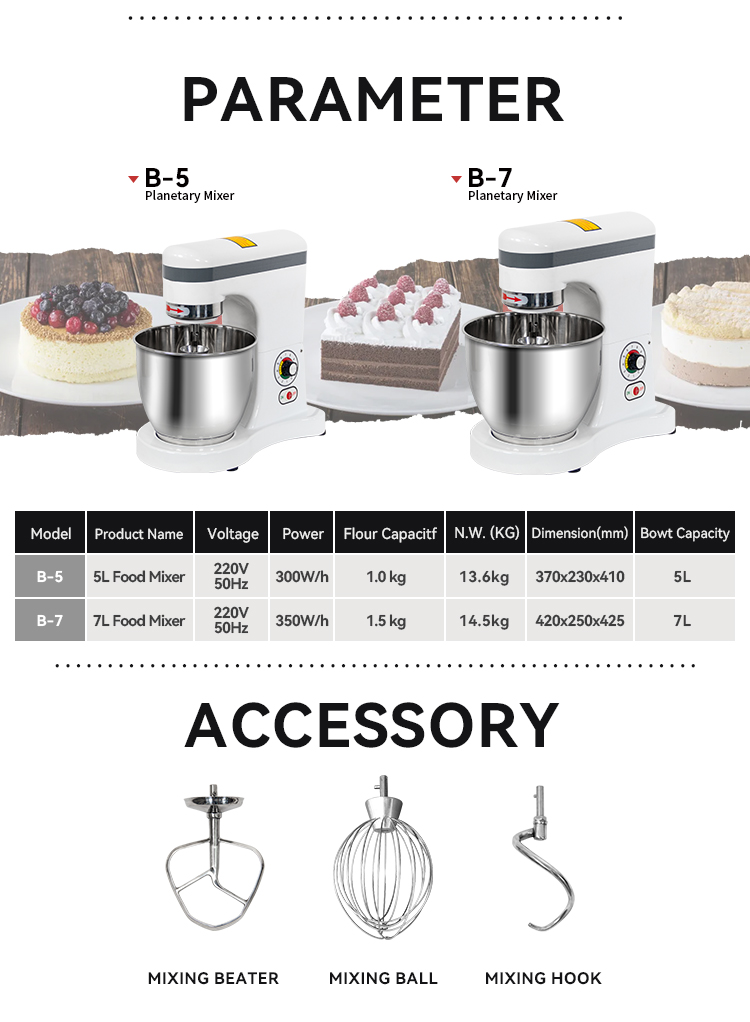
2.Versatility: Planetary mixers are versatile and can handle a variety of tasks beyond dough mixing, such as whipping, creaming, and mixing batters. They are suitable for making cakes, pastries, creams, and other mixtures.
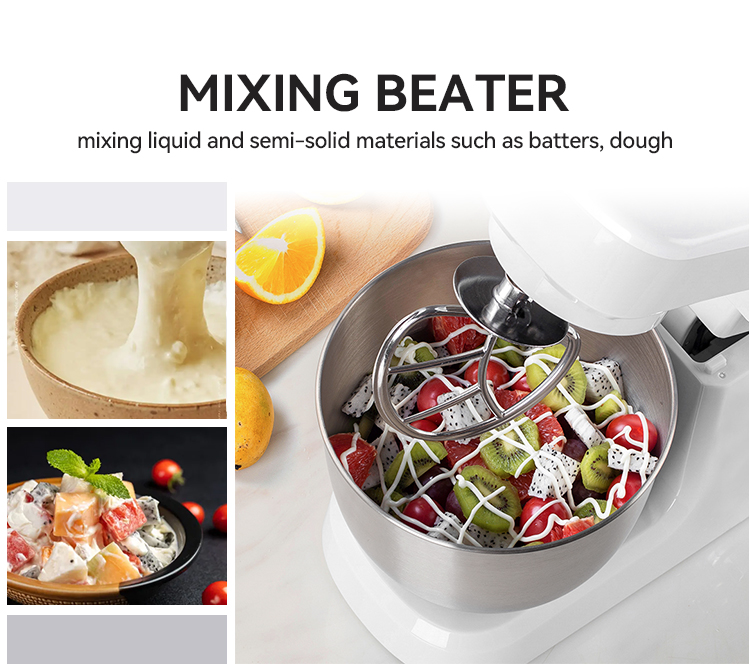
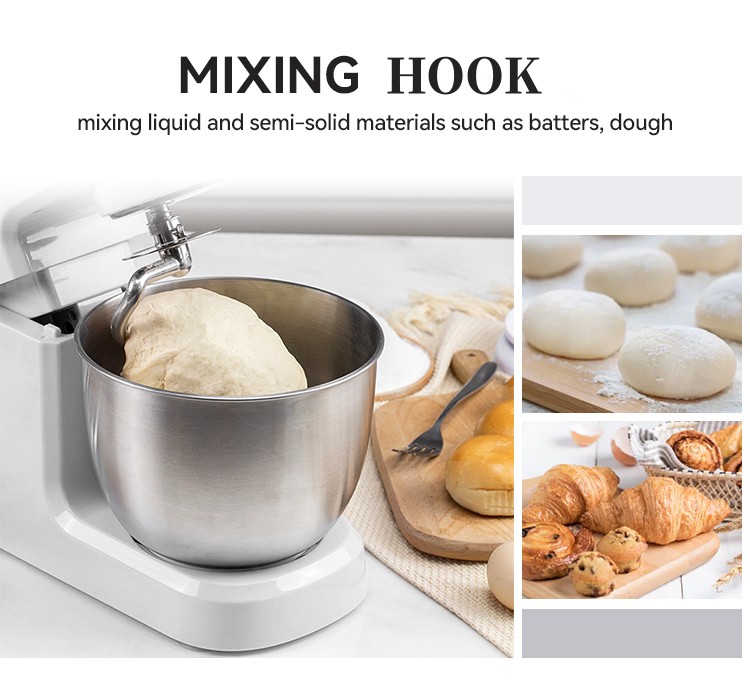
3.Attachment Options: They often come with multiple attachments (whisk, paddle, and hook), allowing for different mixing tasks.

4.Varied Sizes: Planetary mixers come in a range of sizes, from small countertop models for home use to larger models for commercial kitchens.


Key Differences

1.Mixing Action:
Spiral Mixer: Rotating bowl with a stationary or rotating spiral hook.
Planetary Mixer: Fixed bowl with rotating and orbiting attachments.


2.Best For:

Spiral Mixer: Heavy doughs like bread and pizza.
Planetary Mixer: Versatile for dough, batters, creams, and more.

3.Capacity:
Spiral Mixer: Typically larger capacities for commercial use.
Planetary Mixer: Available in a wide range of sizes, from small to large.

4.Efficiency
Spiral Mixer: More efficient for kneading large batches of dough without overheating.
Planetary Mixer: Efficient for a variety of mixing tasks but may not handle large dough batches as effectively as a spiral mixer.

Choosing between the two depends on the primary purpose of the mixer. For bakeries focusing on bread and pizza dough, a spiral mixer is usually the better choice, while a planetary mixer is more suited for kitchens that require versatility in mixing tasks.


...

What is the equipment used in a bakery?

What is the equipment used in a bakery?

Bakeries use a wide range of equipment to produce their baked goods efficiently and consistently. Here is a list of common bakery equipment:


Mixing Equipment

  1. Mixers
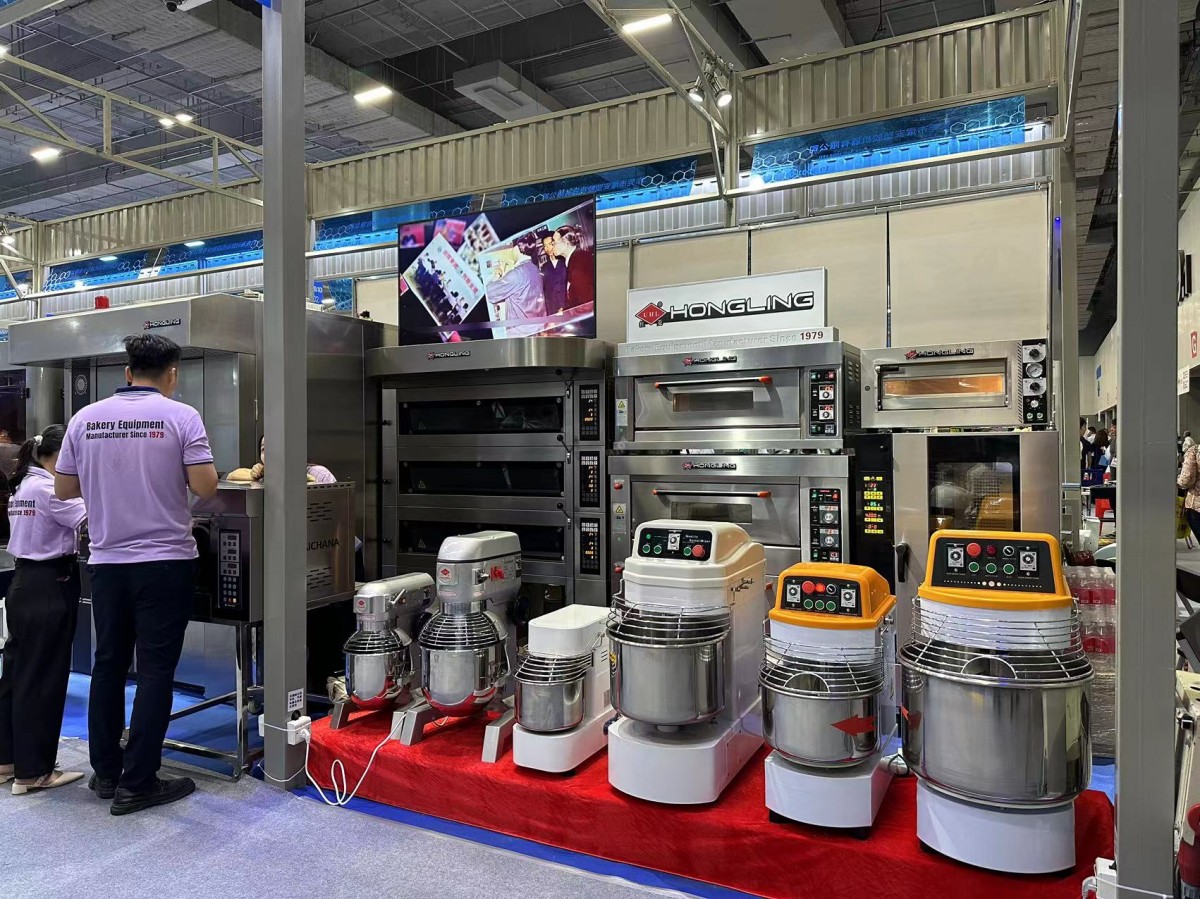
    • Planetary Mixers: Versatile mixers used for mixing dough, batter, and other ingredients.

    • Spiral Mixers: Specially designed for mixing bread dough to ensure proper gluten development.

    • Dough Sheeters: Machines that roll out dough to the desired thickness.

Baking and Cooking Equipment

  1. Ovens

    • Convection Ovens: Use fans to circulate hot air, providing even baking.

    • Deck Ovens: Feature stone or brick decks that retain heat, ideal for bread and pizza.

    • Rack Ovens: Allow multiple trays of products to be baked simultaneously.

  2. Proofer Cabinets: Controlled environment chambers used to allow dough to rise before baking.

Preparation and Handling Equipment

  1. Work Tables and Benches: Surfaces for preparing dough and other ingredients.
  2. Dough Dividers and Rounders: Machines that divide dough into equal portions and shape them into rounds.

Storage Equipment

  1. Refrigerators and Freezers: For storing ingredients and finished products that require cold storage.

Baking Accessories

  1. Baking Pans and Trays: Various sizes and shapes for different baked goods.
  2. Cooling Racks: Allow baked goods to cool evenly after baking.
  3. Rolling Pins: Used for rolling out dough.
  4. Cutting Tools: Such as pastry cutters, dough scrapers, and knives.

Specialty Equipment

  1. Bread Slicers: Machines that slice loaves of bread evenly.
  2. Cake Decorating Tools: Piping bags, nozzles, and other tools for decorating cakes and pastries.


...

What type of oven is used in bakery?

What type of oven is used in bakery?

In a bakery, several types of ovens are used, each suited to different baking needs and scales of production. Here are some common types of ovens found in bakeries:

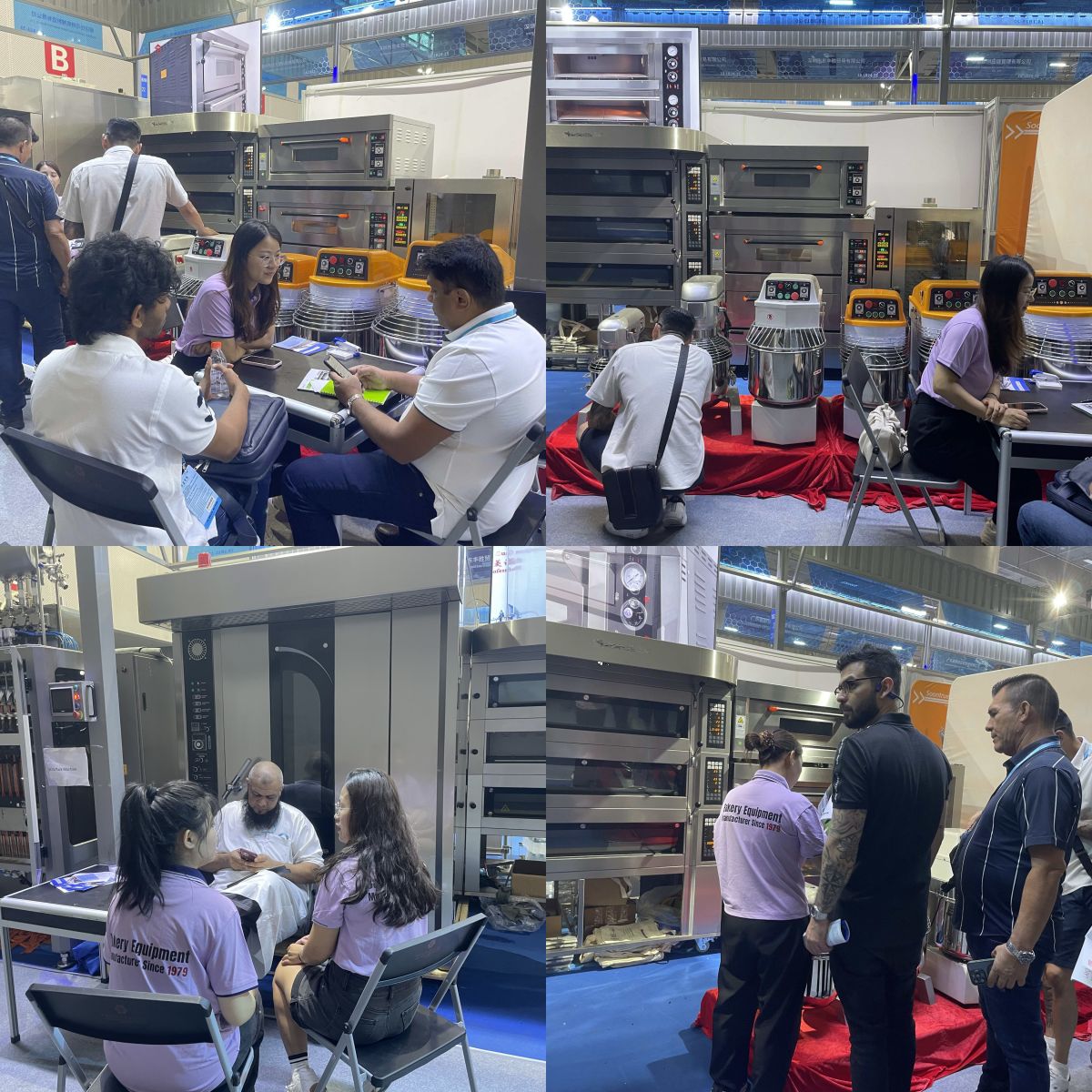
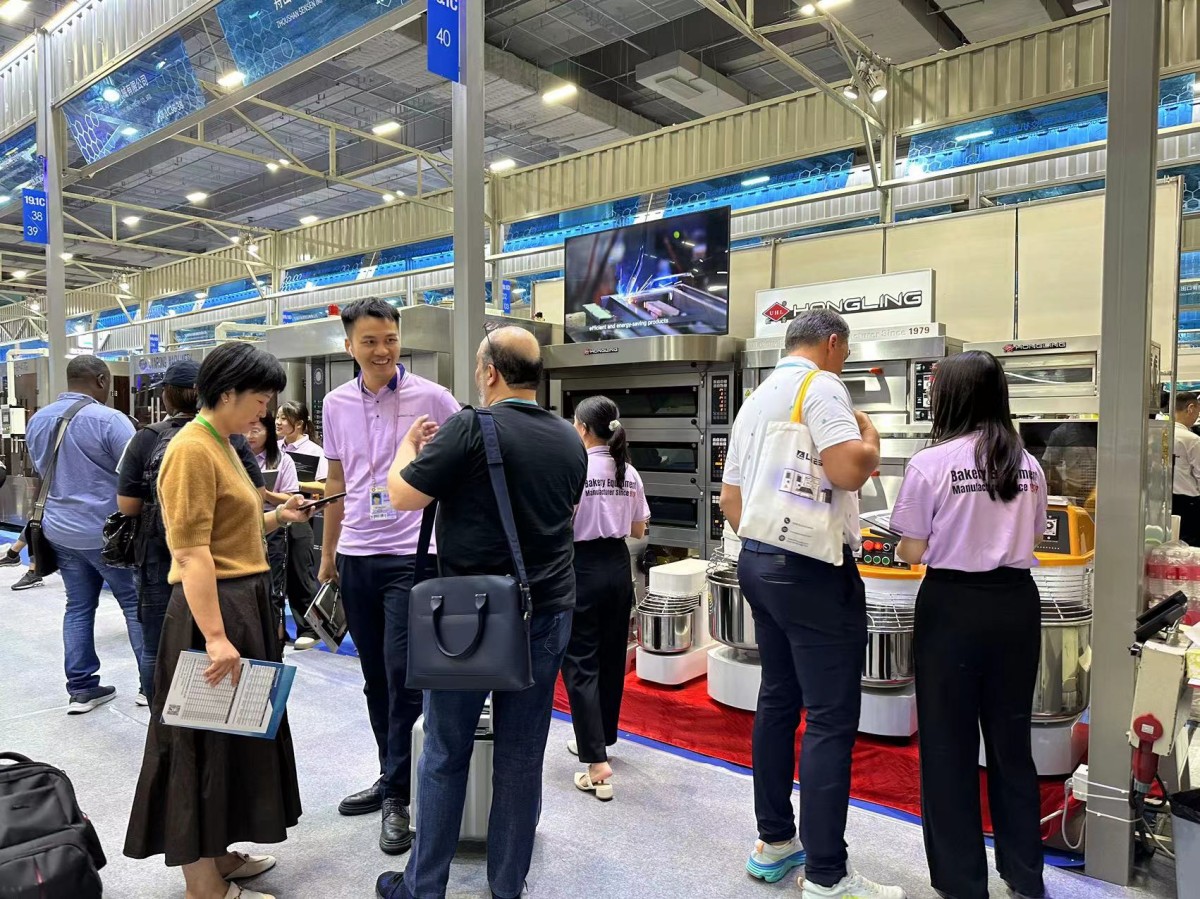
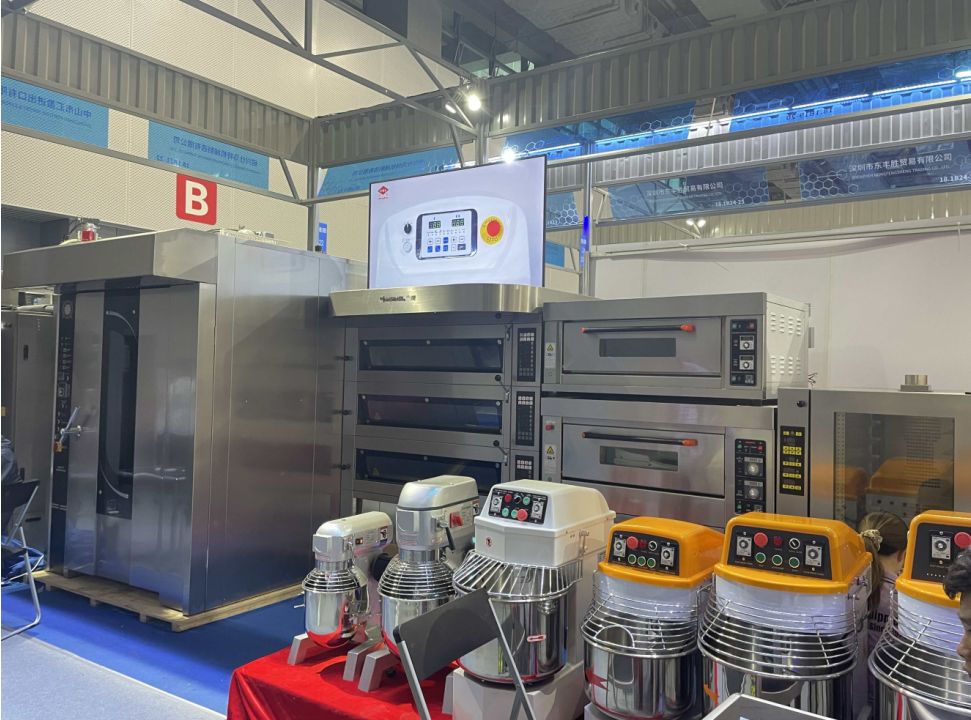
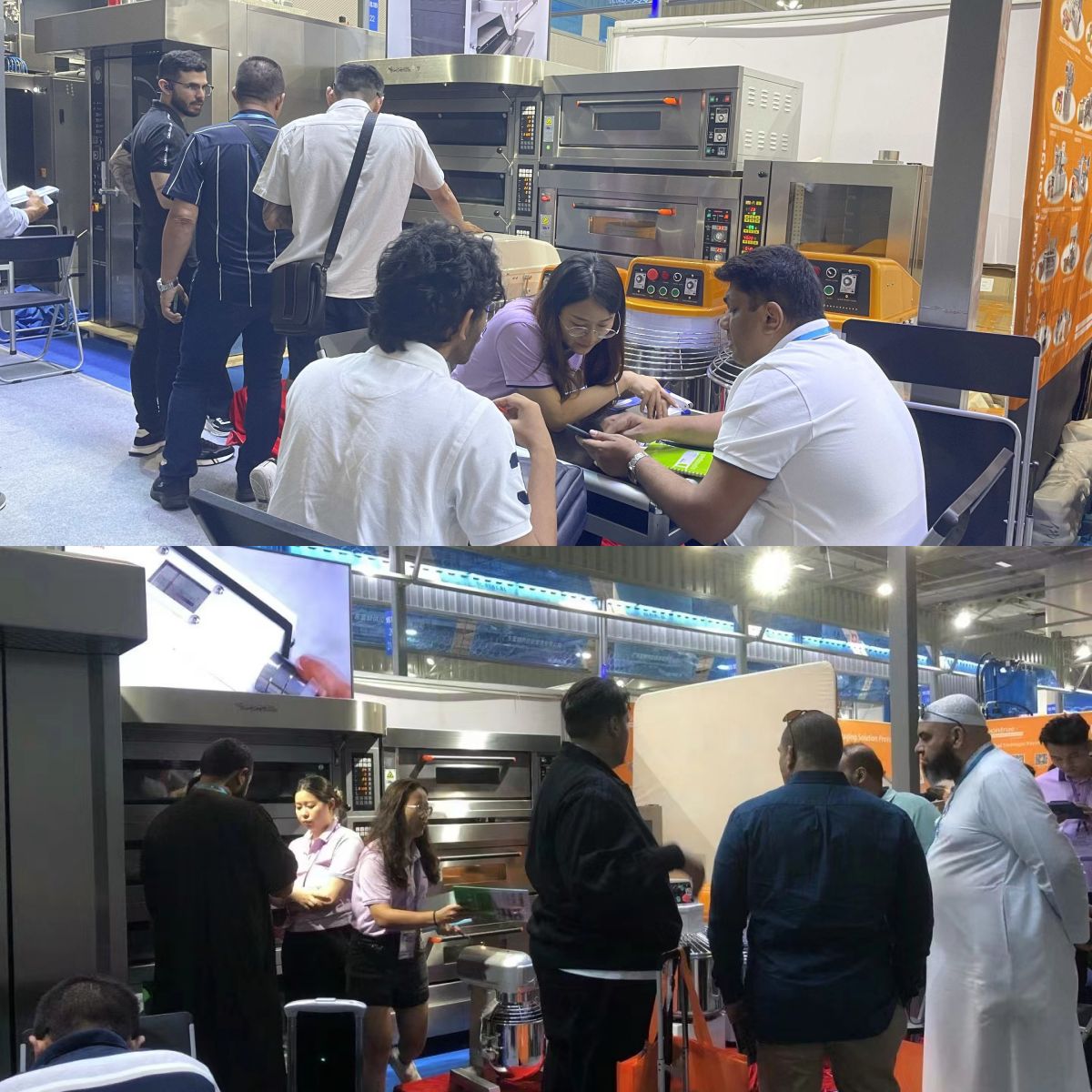
HONGLING ovens can be customized according to requirements.


  1. Deck Ovens:

    • Description: Deck ovens have multiple baking chambers, each with its own deck or baking surface, allowing for the baking of different items at different temperatures simultaneously.
    • Uses: Ideal for artisan breads, pizzas, and pastries due to the even heat distribution and the ability to control the temperature and steam in each deck.
  2. Rack Ovens:

    • Description: These ovens have a large chamber where racks of baking trays can be wheeled in and out. The oven circulates hot air around the racks to ensure even baking.
    • Uses: Suitable for high-volume production of bread, rolls, pastries, and cookies. They are highly efficient for large batches and offer consistent results.
  3. Convection Ovens:

    • Description: Convection ovens use fans to circulate hot air around the baking chamber, providing even and fast baking.
    • Uses: Great for baking cookies, cakes, muffins, and other baked goods that require even browning and baking. They are versatile and commonly used in smaller bakeries.
  4. Revolving Tray Ovens:

    • Description: These ovens have multiple rotating trays inside, allowing for continuous baking as the trays rotate through the baking chamber.
    • Uses: Ideal for products that require consistent, even baking, such as cakes, pies, and pastries. They are efficient for large-scale production.
  5. Steam Ovens:

    • Description: Steam ovens inject steam into the baking chamber, which is essential for certain types of bread that need a crispy crust and a soft interior.
    • Uses: Essential for baking artisan breads, baguettes, and other bread varieties that require a specific crust texture.
  6. Tunnel Ovens:

    • Description: These ovens have a continuous conveyor belt that moves products through a long, heated tunnel, providing consistent baking conditions throughout.
    • Uses: Perfect for large-scale industrial bakeries that produce large quantities of items like cookies, biscuits, and other baked goods.
  7. Stone Hearth Ovens:

    • Description: These traditional ovens have a stone or brick interior that retains heat well, providing a unique baking environment.
    • Uses: Used for baking rustic breads, pizzas, and other products that benefit from the intense, even heat and unique flavor imparted by the stone.

Each type of oven has its advantages and is chosen based on the specific needs of the bakery, the types of products being baked, and the production volume.


...

Advantages of Gantry Shears

Here are the key benefits of a metal gantry shear, capturing its essential value in fabrication:


1.Unmatched Precision & Clean Cuts: Gantry shears deliver exceptionally straight, burr-minimized cuts with tight tolerances. The rigid frame and precise blade alignment ensure perpendicularity and dimensional accuracy critical for downstream processes like welding and assembly, eliminating rework and scrap.


2. High Efficiency & Throughput: Designed for heavy, long materials, they rapidly process large sheets, plates, or bars in a single stroke. CNC integration allows for automatic backgauge positioning and repetitive cutting sequences, dramatically outpacing manual methods or smaller shears, optimizing production flow.


3. Superior Material Handling: The integrated moving gantry (bridge) with powerful clamping holds material firmly *throughout* the cut. This prevents slippage, distortion, or marking on sensitive surfaces (like pre-painted sheets) and allows safe, controlled handling of large, heavy, or awkward workpieces.


4. Exceptional Versatility: Capable of cleanly shearing a vast range of materials (mild steel, stainless, aluminum) and thicknesses (from thin gauge up to several inches/dozens of mm), as well as various profiles (sheets, plates, flats, angles - with appropriate tooling). Adjustable blade gaps and rake angles enhance this adaptability.


5. Enhanced Operator Safety: Automation reduces direct handling near the cutting blade. Features like light curtains, two-hand controls, and guarded moving parts significantly lower risks compared to manual cutting or less sophisticated machinery, creating a safer workshop environment.


6. Material Savings & Reduced Waste: Precise programming and nesting optimization (often integrated with CNC) minimize offcuts and maximize material yield from expensive stock. Clean cuts reduce the need for secondary edge finishing.


7. Robust Durability & Low Maintenance: Built from heavy-duty steel for immense structural integrity, gantry shears are engineered for decades of demanding service. Their fundamental shearing mechanism is mechanically robust and generally requires less complex maintenance than high-energy beam processes like lasers or plasma.


8. Strong Return on Investment (ROI): While a significant capital investment, the combined benefits – reduced labor costs, minimized material waste, faster throughput, lower rework/scrap, improved safety, and extended lifespan – deliver a compelling ROI, making it a cornerstone machine for serious metal fabricators.


In essence: The metal gantry shear is the silent titan of the shop floor. It transforms raw stock into accurately sized blanks with speed, precision, and safety that manual methods or smaller equipment simply cannot match. Its strength, versatility, and efficiency directly translate into lower production costs, higher quality output, and a more competitive operation, solidifying its status as an indispensable asset for any high-volume or precision-focused metal fabrication facility.

...

Introducing Container Shearing Machines Powering Modern Recycling

Container shearing machines are robust industrial tools designed to dismantle and process large metal structures, such as shipping containers, vehicles, and scrap metal, into manageable pieces. These machines play a pivotal role in recycling and scrap handling industries, offering a blend of power, precision, and efficiency essential for modern waste management.  


Functionality and Design

Equipped with high-strength hydraulic systems, container shears apply immense force—often exceeding thousands of tons—to cut through thick steel. Their sharp, durable blades slice metal cleanly, minimizing dust and debris. Available as stationary units or mobile attachments for excavators, these machines adapt to diverse operational needs. Mobile shears, mounted on heavy machinery, offer flexibility for demolition sites or scrap yards, while stationary models suit high-volume recycling plants.  


Key Features

Modern container shears prioritize safety and automation. Features like overload protection, emergency stops, and reinforced guarding ensure operator safety. Advanced models integrate computerized controls for precise cutting angles and pressure adjustments, optimizing material recovery. Built to endure harsh conditions, they utilize wear-resistant materials, reducing downtime and maintenance costs.  


Applications and Benefits  

Widely used in recycling centers, shipbreaking, and automotive industries, these machines streamline the processing of bulky metal waste. By replacing labor-intensive methods like torch cutting, shearing machines enhance productivity, lower labor costs, and improve workplace safety. Their efficiency accelerates recycling workflows, ensuring faster turnaround and higher throughput.  


Environmental Impact  

Container shears support sustainability by enabling efficient metal recycling. Clean cuts produce uniform scrap, ideal for smelting and reuse, reducing reliance on raw ore extraction. This minimizes landfill waste and lowers carbon emissions, aligning with global circular economy goals.  


While the initial investment in container shearing machines may be significant, their long-term benefits—enhanced safety, operational efficiency, and environmental contributions—make them indispensable. As industries prioritize sustainable practices, these machines will remain central to transforming scrap into valuable resources, driving the future of recycling.

...

The Advantages of Metal Chips Briquetting Machines in Modern Manufacturing

In the bustling environment of manufacturing and metalworking facilities, the generation of metal chips and shavings is inevitable. These byproducts, often seen as mere waste, can pose significant challenges in terms of handling, cost, and environmental impact. Enter the metal chips briquetting machine—a transformative solution that compresses loose chips into dense, manageable briquettes. This article explores the multifaceted benefits of adopting this technology, underscoring its role in enhancing operational efficiency and sustainability.


Streamlined Waste Management

Metal chips, when loose, occupy substantial space, complicating storage and transportation. Briquetting machines compress these chips into compact blocks, reducing their volume by up to 90%. This drastic reduction allows facilities to store waste more efficiently, minimizing the need for frequent disposal and lowering the number of storage containers required. Transport costs plummet as more material can be shipped in fewer trips, optimizing logistics and reducing carbon footprints.


Significant Cost Savings

The financial implications of waste management are profound. By compacting metal chips, companies reduce disposal frequency and associated fees. Moreover, briquetted metal becomes a valuable commodity in recycling markets, often sold at higher prices than loose chips due to their purity and density. Recycling these briquettes in-house further curtails expenses by decreasing reliance on virgin raw materials, aligning with circular economy principles.


Environmental Stewardship

Metal briquetting supports eco-friendly practices by promoting recycling over landfill use. Recycling metal consumes far less energy than primary production—for instance, recycling aluminum saves approximately 95% of the energy required to produce it from ore. Additionally, compacting chips prevents residual oils or coolants from contaminating soil and waterways, mitigating environmental hazards. This process also reduces mining demand, preserving natural resources and lowering greenhouse gas emissions.


Enhanced Workplace Safety

Loose metal chips pose safety risks, including slip hazards and injuries from sharp edges. Their flammability, especially in fine forms like magnesium or aluminum, increases fire risks. Briquetting eliminates these dangers by transforming chips into stable, easy-to-handle blocks. A cleaner workspace reduces accidents and fosters a safer, more productive environment for employees.


Versatility Across Applications

Modern briquetting machines accommodate various metals—from aluminum and copper to steel—and can process chips mixed with oils or coolants. Adjustable pressure settings allow customization based on material type, ensuring optimal compression. Integration with existing systems, such as automated conveyors, enhances workflow efficiency without disrupting production lines.


Regulatory Compliance and Marketability

Adhering to environmental regulations is streamlined with briquetting, as it demonstrates proactive waste management. Companies may also leverage their sustainability efforts in marketing, appealing to eco-conscious clients and stakeholders. The higher quality of briquettes meets stringent recycling standards, ensuring compliance and fostering partnerships with recyclers.


Metal chips briquetting machines are a strategic investment for forward-thinking manufacturers. By transforming waste into a resource, they deliver cost savings, environmental benefits, and safer workplaces while enhancing operational efficiency. In an era where sustainability and efficiency are paramount, adopting this technology is not just an option—it’s a imperative for competitive, responsible manufacturing. Embrace briquetting to turn metal waste into a cornerstone of your sustainability strategy.

...

Four Technological Advancements in PP Woven Valve Bag Making Machines

PP woven valve bags (AD STAR) dominate heavy-duty packaging for cement, fertilizers, and minerals due to their load-bearing capacity, moisture resistance, and stackability. However, traditional bag-making machines often face challenges like weak heat seals and over-reliance on manual operations, compromising packaging safety and production costs. Recent innovations are driving this sector toward higher reliability, reduced waste, and smarter automation. This article explores three key technological breakthroughs that enhance efficiency and cut costs.


1. AI Vision Inspection: Eliminating Manual Checks, Slashing Defect Rates

Traditional machines rely on spot manual inspections, which are inefficient and prone to oversight. Next-gen valve bag machines integrate high-resolution cameras and AI algorithms to detect defects (e.g., sealing flaws, print misalignment, material irregularities) in real time, with automatic rejection. This reduces labor costs and worker fatigue.


2. Modular Design: One Machine, Multiple Bag Sizes/Types (e.g., Open-Mouth, Handled Bags), Faster Changeovers

Historically, switching bag specifications required hours of recalibration. Modern modular machines use standardized components (adjustable folding systems, intelligent alignment devices) for rapid changeovers. Operators select preset parameters via touchscreen interfaces, enabling automatic adjustments for dimensions and single-side bottom sealing. This flexibility supports small-batch custom orders, helping manufacturers capture high-value markets.


3. Digital Production Management: From "Human Expertise" to "Data-Driven"

Legacy machines depend on skilled technicians for setup, leading to downtime and inefficiencies. Digital systems enable lean production through:

Cloud-Based Process Libraries: Store heat-seal parameters (temperature, pressure, speed) for different bag types (e.g., valve bags, open-mouth bags), reducing changeover time from 2 hours to 20 minutes.

Real-Time OEE Monitoring: Track Overall Equipment Effectiveness (e.g., downtime causes: roll changes, seal bar maintenance) to optimize production cycles.


4. Green Technology: From Energy Guzzler to Low-Carbon Leader

Valve bag production has long been energy-intensive, but next-gen solutions deliver sustainability:

Servo Motors: Replace traditional drives, cutting energy use and noise.


Eco-Conscious Design: Helps manufacturers reduce carbon footprints while maintaining output.


Conclusion:

The evolution of valve bag-making machines reflects broader trends in packaging: smarter, more adaptable, and sustainable production. For heavy-duty industries, these advancements mean lower costs and stronger competitiveness. Investing in next-gen equipment isn’t just about efficiency—it’s a strategic move to future-proof operations. Have you embraced these changes? Share your insights below!

...

In-depth analysis of the future PE valve bag market opportunities, trends and investment directions

In the booming wave of the world's packaging industry, PE (polyethylene) valve bags have become an indispensable packaging solution for cement, chemicals, agricultural products and other fields due to their excellent performance. With the transformation and upgrading of the manufacturing industry and the advancement of the "dual carbon" goals, the PE valve bag market is ushering in a new growth inflection point. This article will deeply analyze the current situation, key developments, industry trends, investment opportunities and challenges of the PE valve bag market.


1. PE valve bag market overview and growth momentum

(1) Industry status and scale

Take China as an example. As a global manufacturing power, the PE valve bag market is huge and continues to grow, and is expected to maintain a compound annual growth rate of 4.5%-5.0% between 2025 and 2030. Relying on a complete industrial chain and huge domestic demand, China is both a major producer and consumer. Its products are widely used in infrastructure, agriculture, chemical industry and other fields, and exported to Southeast Asia, the Middle East and other places.


(2) Core driving factors

(1)Diversified downstream demand

1. Chemical and agricultural materials: The production and export growth of chemical products such as fertilizers and resins have promoted the demand for anti-static and anti-corrosion PE valve bags; agricultural modernization has prompted the upgrading of agricultural product packaging to high quality and environmental protection.

2. E-commerce and logistics: The explosive growth of e-commerce, especially industrial supplies e-commerce, has increased the demand for lightweight and high-strength packaging. PE valve bags have become a popular choice for logistics packaging due to their convenience and economy.

3.Infrastructure and real estate: Post-war infrastructure and new urbanization and transportation facilities upgrades in Africa and the Middle East have driven the demand for building materials such as cement, and the demand for moisture-proof and wear-resistant PE valve bags has surged.


(2). Technological innovation empowers the industry

1. Production process upgrade: Enterprises have introduced automated production lines and applied multi-layer co-extrusion, high-speed bag making, digital printing and other technologies to improve efficiency and reduce costs. Some companies have reduced the product defect rate to below 0.1% through AI visual inspection systems.

Breakthrough in material innovation: Develop high-barrier, high-strength ultra-thin PE valve bags with the help of nano-modification, functional coating and other technologies to reduce material consumption and meet the trend of green packaging.


2. Industry development trends

(I) Green and sustainable development

Enterprises explore the "recycling-regeneration-reuse" closed loop, establish a waste PE valve bag recycling system, produce recycled PE particles for non-food grade packaging, and respond to the "dual carbon" goal.


(II) Intelligent and digital transformation

Flexible production is achieved through digital printing and rapid mold change technology to meet small batch and personalized customization needs, shorten the delivery cycle to within 72 hours, and improve market response speed.


(III) Regional market expansion and industrial upgrading

With the development of the petrochemical industry in Africa and the Middle East, the demand for PE valve bags in its manufacturing industry has increased, promoting the optimization of regional production capacity layout, and the central and western regions are expected to rise.


3. Industry Challenges and Investment Opportunities

(I) Challenges

1. Raw materials and technical bottlenecks: PE raw material welding is greatly affected by temperature, and bag making equipment research and development requires long-term investment; PE material has a narrow hot-stick temperature range (5-15℃, 10-20℃ after modification), which is difficult to control during high-speed production, resulting in fluctuations in yield rate (generally lower than 85% at high speed).

2. Environmental transformation pressure: Traditional PE valve bags face the risk of substitution by degradable materials, and need to increase research and development to promote product upgrades; export companies need to deal with overseas environmental standards barriers (such as EU carbon tariffs).

3. Equipment and cost issues: The design speed of the fully automatic bag making machine is 120 pieces/minute, but the actual speed is only 20-40 pieces/minute, and the finished bag yield rate is difficult to reach the customer's 0.2‰ standard; the equipment investment is high (millions of yuan to more than 10 million yuan), the burden on small and medium-sized manufacturers is heavy, the payback period is long, and the penetration rate is low.

(II) Investment opportunities

1. Environmentally friendly materials and technologies: Bio-PE, waste plastic chemical recycling technology, environmentally friendly printing inks and other fields have high growth potential.

2. Intelligent packaging equipment: Automated bag making machines, AI visual inspection equipment, and intelligent packaging system integrators benefit from the industry's upgrading needs.

3. Segmented market services: Customized PE valve bags for special fields such as food, medicine, and dangerous goods, as well as packaging design and supply chain services, have broad development space.


4. Technical status and transformation plan of bag making machine

(I) Limitations of high-speed fully automatic bag making machine

Affected by the difficulty of dynamic control of multiple factors (temperature, humidity, machine speed, etc. affect the number of hot orders), the limitation of PE material hot adhesive performance, and the poor compatibility of multi-layer composite materials, the actual efficiency and yield of high-speed fully automatic bag making machines are low, the ability to adapt to non-standard orders is insufficient, the investment cost is high and the return cycle is long, and it is difficult to meet market demand.


(II) Advantages of transformation of semi-automatic equipment

Based on market research, semi-automatic will be the focus of the future market. Xiamen GACHN-JEENAR Co., Ltd. has turned to designing semi-automatic equipment, which consists of two sets of folding and heating heat sealing equipment, divided into bottom welding and valve port welding assembly line operations. Bottom welding process: manual loading → conveyor belt transmission folding clamping → bag opening, bag opening, silicone, folding bag opening, bottom sticker, pre-welding → welding → feeding silo. Valve port welding process: manual loading (material welded at the bottom) → conveyor belt transmission, folding and clamping → bag opening, valve port welding, bag opening, silicone, bag opening, valve sticker, pre-welding → welding → feeding into the silo. The equipment has a production speed of 3 pieces/minute, a defect rate of ≤0.2‰, is suitable for a variety of bag types, has good versatility, reduces investment thresholds, solves technical pain points, and has a high return on investment.

In the future, the PE valve bag market will transform and upgrade under the drive of environmental protection and intelligence. Industry practitioners and investors need to grasp the direction of green packaging, technological innovation and market expansion. In the field of bag making machines, they can focus on more cost-effective and adaptable solutions such as semi-automatic equipment to seize the market opportunity.

...

Market analysis and advantages comparison of automatic loading machines for bagged cement

1. Market overview of automatic loading machines for bagged cement

Automatic loading machines for bagged cement are equipment specially used to automatically stack cement on trucks, and are widely used in cement plants, logistics centers and construction materials projects. With the rapid development of the global construction industry, the demand for efficient and standardized loading equipment continues to grow. A variety of automatic loading machines have been added to the market to meet the production needs of different companies.


2. Market status of automatic loading machines for bagged cement

At present, there are many varieties of automatic loading machines for bagged cement on the global market, which are mainly reflected in the following aspects:

Degree of automation: Some equipment are equipped with advanced automatic control systems, which can achieve efficient palletizing, accurate loading, and reduce manual intervention.

Loading efficiency: Different equipment has differences in pipeline speed, palletizing capacity and stability, which directly affects the logistics efficiency of enterprises.

Durability and maintenance cost: The material, manufacturing process and maintenance convenience of the equipment determine its long-term use cost.

Energy saving and environmental protection: With the strict requirements of environmental protection regulations, low-noise, low-noise and dust-free operation loading machines have become an industry trend.

Customization capability: We can provide a variety of loading methods, pipeline modes and intelligent management solutions according to the production needs of different enterprises.


3. The unique advantages of our Gachn Group's automatic loading machine for bagged cement

In the fierce market competition, our automatic loading machine for bagged cement has shown outstanding advantages in the following aspects:


3.1 Efficient automation to improve loading efficiency

The intelligent control system can realize the automation of the entire process of automatic bag sorting, handling, palletizing and loading.

High-speed pipeline and palletizing system ensures accurate stacking and improves truck loading rate.

Intelligent optimization path algorithm improves operation efficiency and reduces operating system.


3.2 Stable and durable equipment, reducing maintenance costs

The use of high-strength aluminum alloy and wear-resistant parts ensures the stability of long-term operation of the equipment.

Careful design, maintenance and replacement of parts to reduce long-term operating costs.

Through the intelligent monitoring system, the equipment status is detected in real time and faults are warned in advance.


3.3 Energy saving and environmental protection, in line with international standards

Energy-saving drive system optimizes power consumption and reduces operating costs.

Low noise design reduces the impact on the factory and surrounding environment.

Dust-free operation, reducing cement pollution and improving the quality of the working environment.


3.4 Flexible customization to meet different needs

The stacking method (cross stacking, parallel stacking, etc.) can be customized according to different customer needs to ensure the best loading effect.

Compatible with cement bags of different specifications, suitable for cement products of different packaging sizes.

Remote control and intelligent management system, support remote monitoring and data analysis, optimize the loading process.


4. Conclusion

In the global bagged cement automatic loading machine market, various types of equipment are competing fiercely in terms of packaging, loading efficiency, high durability and environmental protection performance. Our Gachn Group's automatic loading machine has the advantages of high automation, high efficiency, durability, energy saving and environmental protection, and can provide customized services to meet the needs of different companies.


If you are looking for an efficient, intelligent, environmentally friendly and low-maintenance bagged cement automatic loading machine, (GACHN JEENAR) Gachn Group's equipment is undoubtedly your best choice. Welcome to consult and learn more about the product details!

...

New choice for efficient packaging advantages and applications of cement valve bag inserting machine

In the modern cement production and packaging process, improving packaging efficiency, reducing labor costs, and improving packaging accuracy are the core issues that enterprises are concerned about. The application of **cement valve bag inserting machine (bag feeding machine)** is to solve the problems of low efficiency, high operation and high labor intensity in the traditional manual bag insertion method. Today, we will explore in depth the working principle, advantages and characteristics of the equipment and its subsequent impact on the cement packaging industry.


1. What is a cement valve bag inserting machine?

The cement valve bag inserting machine is an automated auxiliary packaging equipment used to automatically insert the valve bag accurately into the discharge port of the machine during the cement packaging process. It is usually used in conjunction with cement bag loading machines (such as turntable or single-mouth packaging machines) to replace efficient manual bag insertion and achieve automatic and accurate bag delivery.


2. Working principle of the bag inserting machine

Bag taking: The equipment takes out a valve bag from the bag library through a robotic arm or a vacuum suction cup.

Positioning: Through sensor detection and adjustment, the valve bag is accurately positioned at the discharge port of the packaging machine.

Bag insertion: The bag insertion mechanism delivers the bag stably into the designated mouth to ensure good sealing and avoid overflow.

Release and return: After confirming that the bag is fixed, send the bag to the bag mechanism and return to the initial position to prepare for the next operation.

The whole process is completed automatically, greatly reducing manual intervention, improving packaging continuity and production efficiency.


3. The core advantages of the bag insertion machine


1). Improve production efficiency

The equipment can complete the bag insertion operation in a very short time, with a speed of 600-2400 bags/hour, which is much higher than the efficiency of manual operation.

Continuous automated operation, waiting is required, and the production capacity of the overall packaging line is improved.


2). Reduce labor costs and labor intensity

Traditional manual bag insertion is not only time-consuming and labor-intensive, but also requires multi-person collaboration, while the automatic bag insertion machine can completely replace manual labor and improve personnel utilization.

Reduce the risk of occupational diseases caused by long-term and high-intensity labor, such as lumbar strain, inhalation, etc.


3). Improve the accuracy of bag insertion and reduce inventory waste

Adopt intelligent visual positioning and precision manipulators to ensure that each bag is inserted accurately to avoid problems such as biased insertion and bag drop.

Precise bag insertion reduces material loss caused by leakage, improves the cleanliness of the workshop, and meets environmental protection requirements.


4). Strong compatibility, adaptable to valve sockets of different specifications

Applicable to pocket valves of different materials and specifications (such as 25kg, 50kg).

Compatible with different types of cement packaging machines (such as rotary, vertical, double-mouth brother mouth packaging machines).


5). Easy to maintain and long service life

Made of high-strength materials, wear-resistant, and adaptable to Jordanian working conditions.

Simple structure, easy maintenance, key components such as pneumatic system, PLC control system, etc. are all well-known brands, stable and reliable operation.


4. Application field

Valve bag inserter widely evaluates the packaging of powdered materials such as cement, building materials, dry mortar, lime powder, bentonite, etc. Especially in large cement plants and automated packaging production lines, the bag inserter has become a key equipment to improve packaging efficiency and reduce operating costs.

In addition, it evaluates industries such as fly ash, mineral powder, refractory materials, chemical powder, etc., and only needs to adjust parameters to adapt to the packaging needs of different storage.


5. How to choose a suitable cement valve bag inserting machine?

According to production capacity requirements: Different equipment has different bag insertion speeds, and the appropriate equipment needs to be selected according to the packaging capacity of the production line.


Compatibility: Ensure that the bag inserting machine can be equipped with existing cement valve packaging machines and bags of various specifications.

Brand and after-sales service: Choose a manufacturer with mature technology and perfect after-sales service to ensure the long-term stable operation of the equipment.

Environmental attractiveness: The equipment should be able to adapt to the production environment with growth and temperature and humidity changes.


6. Summary

The application of cement valve bag inserting machine not only improves the automation of cement packaging, but also effectively reduces production costs and improves product packaging quality. For cement companies that want to improve production efficiency, reduce manual dependence, and improve the factory environment, the automated bag inserting machine is undoubtedly a worthy investment.

If your company is looking for an efficient, accurate and durable bag inserting machine, please contact us, we will provide you with professional solutions!

Contact us- Gachn Group ( GACHN JEENAR ) to start your new era of customized packaging!


...