current location : home

What is the difference between a spiral mixer and a planetary mixer?

What is the difference between a spiral mixer and a planetary mixer?


The primary difference between a spiral mixer and a planetary mixer lies in their design and how they mix ingredients.


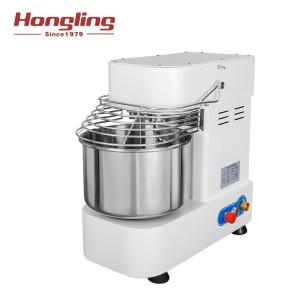
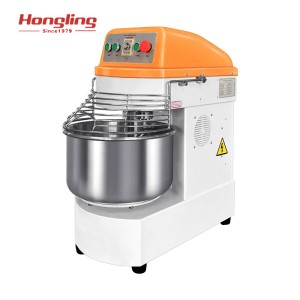
Spiral Mixer

Design and Mixing Mechanism:

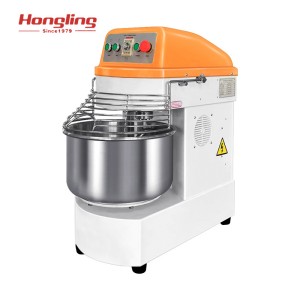
1.Bowl and Spiral Hook: In a spiral mixer, the bowl rotates while a spiral-shaped hook remains stationary or rotates. The spiral hook kneads the dough while the bowl turns, which creates a more consistent mixing action.
2.Dough Mixing: Spiral mixers are specifically designed for dough mixing, making them ideal for bread and pizza dough. They handle heavy doughs well, incorporating air and developing gluten effectively without overheating the dough.
3.Capacity and Efficiency: They usually come in larger capacities and are more efficient for large batches, making them popular in commercial bakeries.


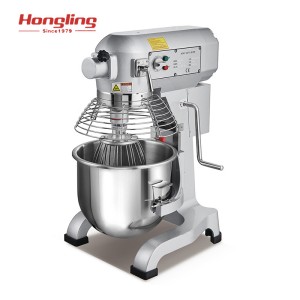
Planetary Mixer

Design and Mixing Mechanism:

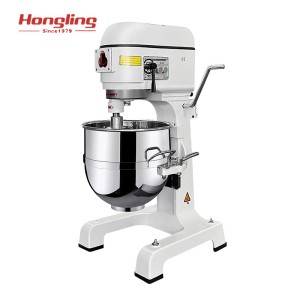
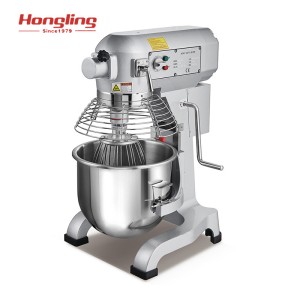
1.Fixed Bowl and Rotating Attachments: In a planetary mixer, the bowl remains fixed, and the mixing attachment (which could be a whisk, paddle, or dough hook) rotates around its own axis while simultaneously revolving around the center of the bowl (like a planet orbiting around the sun, hence the name).
2.Versatility: Planetary mixers are versatile and can handle a variety of tasks beyond dough mixing, such as whipping, creaming, and mixing batters. They are suitable for making cakes, pastries, creams, and other mixtures.
3.Attachment Options: They often come with multiple attachments (whisk, paddle, and hook), allowing for different mixing tasks.

4.Varied Sizes: Planetary mixers come in a range of sizes, from small countertop models for home use to larger models for commercial kitchens.


Key Differences

1.Mixing Action:
Spiral Mixer: Rotating bowl with a stationary or rotating spiral hook.
Planetary Mixer: Fixed bowl with rotating and orbiting attachments.


2.Best For:

Spiral Mixer: Heavy doughs like bread and pizza.
Planetary Mixer: Versatile for dough, batters, creams, and more.

3.Capacity:
Spiral Mixer: Typically larger capacities for commercial use.
Planetary Mixer: Available in a wide range of sizes, from small to large.

4.Efficiency
Spiral Mixer: More efficient for kneading large batches of dough without overheating.
Planetary Mixer: Efficient for a variety of mixing tasks but may not handle large dough batches as effectively as a spiral mixer.

Choosing between the two depends on the primary purpose of the mixer. For bakeries focusing on bread and pizza dough, a spiral mixer is usually the better choice, while a planetary mixer is more suited for kitchens that require versatility in mixing tasks.


...

What is the equipment used in a bakery?

What is the equipment used in a bakery?

Bakeries use a wide range of equipment to produce their baked goods efficiently and consistently. Here is a list of common bakery equipment:


Mixing Equipment

  1. Mixers
    • Planetary Mixers: Versatile mixers used for mixing dough, batter, and other ingredients.

    • Spiral Mixers: Specially designed for mixing bread dough to ensure proper gluten development.

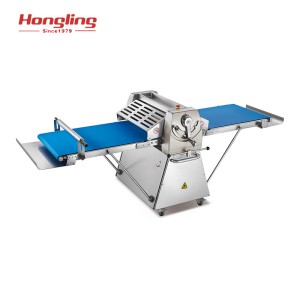
    • Dough Sheeters: Machines that roll out dough to the desired thickness.

Baking and Cooking Equipment

  1. Ovens

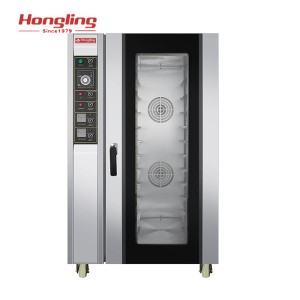
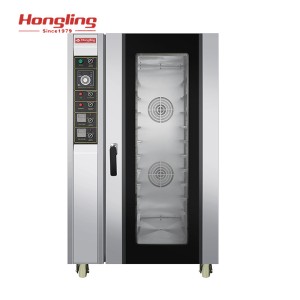
    • Convection Ovens: Use fans to circulate hot air, providing even baking.

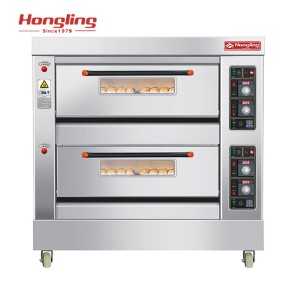
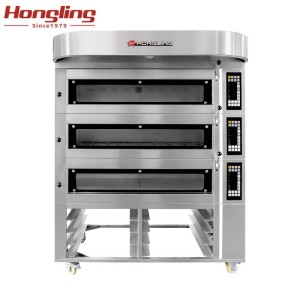
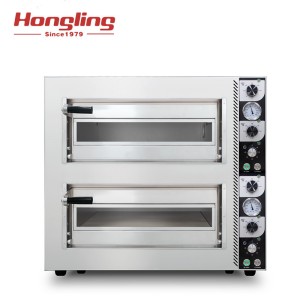
    • Deck Ovens: Feature stone or brick decks that retain heat, ideal for bread and pizza.

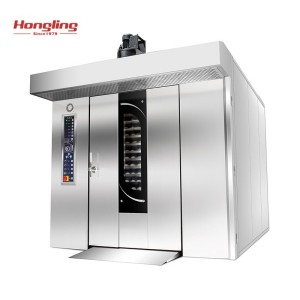
    • Rack Ovens: Allow multiple trays of products to be baked simultaneously.

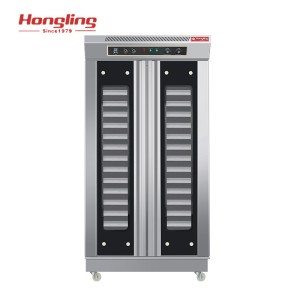
  2. Proofer Cabinets: Controlled environment chambers used to allow dough to rise before baking.

Preparation and Handling Equipment

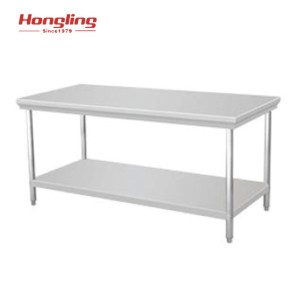
  1. Work Tables and Benches: Surfaces for preparing dough and other ingredients.
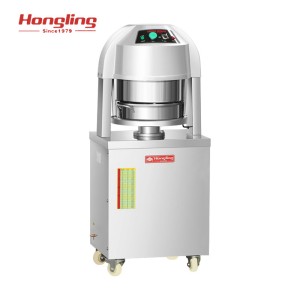
  2. Dough Dividers and Rounders: Machines that divide dough into equal portions and shape them into rounds.

Storage Equipment

  1. Refrigerators and Freezers: For storing ingredients and finished products that require cold storage.

Baking Accessories

  1. Baking Pans and Trays: Various sizes and shapes for different baked goods.
  2. Cooling Racks: Allow baked goods to cool evenly after baking.
  3. Rolling Pins: Used for rolling out dough.
  4. Cutting Tools: Such as pastry cutters, dough scrapers, and knives.

Specialty Equipment

  1. Bread Slicers: Machines that slice loaves of bread evenly.
  2. Cake Decorating Tools: Piping bags, nozzles, and other tools for decorating cakes and pastries.


...

What type of oven is used in bakery?

What type of oven is used in bakery?

In a bakery, several types of ovens are used, each suited to different baking needs and scales of production. Here are some common types of ovens found in bakeries:

HONGLING ovens can be customized according to requirements.


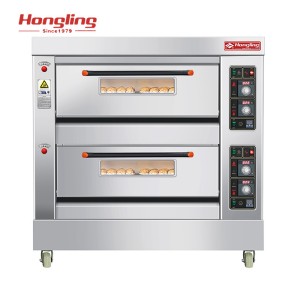
  1. Deck Ovens:

    • Description: Deck ovens have multiple baking chambers, each with its own deck or baking surface, allowing for the baking of different items at different temperatures simultaneously.
    • Uses: Ideal for artisan breads, pizzas, and pastries due to the even heat distribution and the ability to control the temperature and steam in each deck.
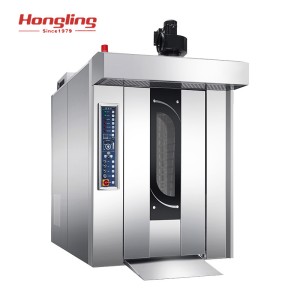
  2. Rack Ovens:

    • Description: These ovens have a large chamber where racks of baking trays can be wheeled in and out. The oven circulates hot air around the racks to ensure even baking.
    • Uses: Suitable for high-volume production of bread, rolls, pastries, and cookies. They are highly efficient for large batches and offer consistent results.
  3. Convection Ovens:

    • Description: Convection ovens use fans to circulate hot air around the baking chamber, providing even and fast baking.
    • Uses: Great for baking cookies, cakes, muffins, and other baked goods that require even browning and baking. They are versatile and commonly used in smaller bakeries.
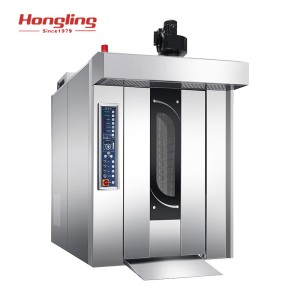
  4. Revolving Tray Ovens:

    • Description: These ovens have multiple rotating trays inside, allowing for continuous baking as the trays rotate through the baking chamber.
    • Uses: Ideal for products that require consistent, even baking, such as cakes, pies, and pastries. They are efficient for large-scale production.
  5. Steam Ovens:

    • Description: Steam ovens inject steam into the baking chamber, which is essential for certain types of bread that need a crispy crust and a soft interior.
    • Uses: Essential for baking artisan breads, baguettes, and other bread varieties that require a specific crust texture.
  6. Tunnel Ovens:

    • Description: These ovens have a continuous conveyor belt that moves products through a long, heated tunnel, providing consistent baking conditions throughout.
    • Uses: Perfect for large-scale industrial bakeries that produce large quantities of items like cookies, biscuits, and other baked goods.
  7. Stone Hearth Ovens:

    • Description: These traditional ovens have a stone or brick interior that retains heat well, providing a unique baking environment.
    • Uses: Used for baking rustic breads, pizzas, and other products that benefit from the intense, even heat and unique flavor imparted by the stone.

Each type of oven has its advantages and is chosen based on the specific needs of the bakery, the types of products being baked, and the production volume.


...

Advantages of Gantry Shears

Here are the key benefits of a metal gantry shear, capturing its essential value in fabrication:


1.Unmatched Precision & Clean Cuts: Gantry shears deliver exceptionally straight, burr-minimized cuts with tight tolerances. The rigid frame and precise blade alignment ensure perpendicularity and dimensional accuracy critical for downstream processes like welding and assembly, eliminating rework and scrap.


2. High Efficiency & Throughput: Designed for heavy, long materials, they rapidly process large sheets, plates, or bars in a single stroke. CNC integration allows for automatic backgauge positioning and repetitive cutting sequences, dramatically outpacing manual methods or smaller shears, optimizing production flow.


3. Superior Material Handling: The integrated moving gantry (bridge) with powerful clamping holds material firmly *throughout* the cut. This prevents slippage, distortion, or marking on sensitive surfaces (like pre-painted sheets) and allows safe, controlled handling of large, heavy, or awkward workpieces.


4. Exceptional Versatility: Capable of cleanly shearing a vast range of materials (mild steel, stainless, aluminum) and thicknesses (from thin gauge up to several inches/dozens of mm), as well as various profiles (sheets, plates, flats, angles - with appropriate tooling). Adjustable blade gaps and rake angles enhance this adaptability.


5. Enhanced Operator Safety: Automation reduces direct handling near the cutting blade. Features like light curtains, two-hand controls, and guarded moving parts significantly lower risks compared to manual cutting or less sophisticated machinery, creating a safer workshop environment.


6. Material Savings & Reduced Waste: Precise programming and nesting optimization (often integrated with CNC) minimize offcuts and maximize material yield from expensive stock. Clean cuts reduce the need for secondary edge finishing.


7. Robust Durability & Low Maintenance: Built from heavy-duty steel for immense structural integrity, gantry shears are engineered for decades of demanding service. Their fundamental shearing mechanism is mechanically robust and generally requires less complex maintenance than high-energy beam processes like lasers or plasma.


8. Strong Return on Investment (ROI): While a significant capital investment, the combined benefits – reduced labor costs, minimized material waste, faster throughput, lower rework/scrap, improved safety, and extended lifespan – deliver a compelling ROI, making it a cornerstone machine for serious metal fabricators.


In essence: The metal gantry shear is the silent titan of the shop floor. It transforms raw stock into accurately sized blanks with speed, precision, and safety that manual methods or smaller equipment simply cannot match. Its strength, versatility, and efficiency directly translate into lower production costs, higher quality output, and a more competitive operation, solidifying its status as an indispensable asset for any high-volume or precision-focused metal fabrication facility.

...

A high and low temperature humidity test chamber

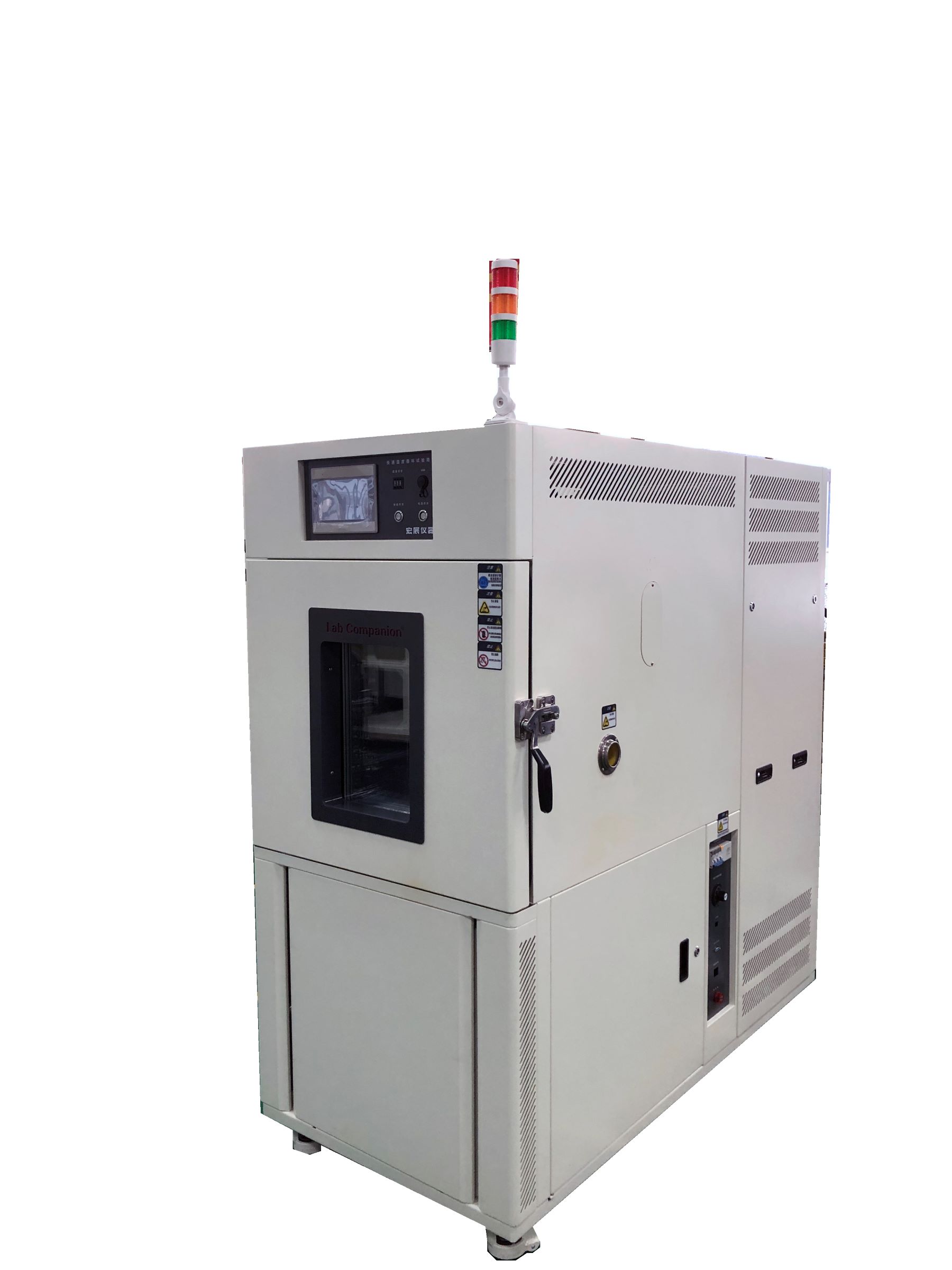
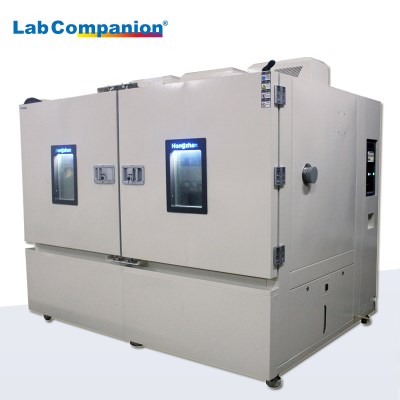
A high and low temperature humidity test chamber is a device used to test the performance of products in high temperature, low temperature or humid and hot environments. It is widely used in the testing of aerospace products, information electronic instruments and meters, materials, electrical appliances, electronic products, and various electronic components.

high and low temperature humidity test chamber 

Basic Working Principle:

❖ Box structure: usually made of stainless steel or other corrosion-resistant materials, the internal space is used to place the sample under test, and the external control panel and display are installed.

❖ Temperature and humidity control system: including heater, refrigeration system (single stage, double stage or stacked refrigeration), humidification and dehumidification device, as well as sensors and microprocessors to ensure that the temperature and humidity in the box is precisely controllable.

❖ Air circulation system: built-in fans promote air circulation in the box to ensure uniform temperature and humidity distribution.

❖ Control system: microcomputer or PLC controller is used. Users can set the required temperature, humidity and test time through the operation interface, and the system will automatically execute and maintain the set conditions.


Lab Companion was established on May 4, 2005, and is a national high-tech enterprise headquartered in Dongguan, Guangdong Province. The company has two major R&D and manufacturing facilities in Dongguan and Kunshan, covering a total area of 10,000 square meters. It produces approximately 2,000 environmental test equipment units annually. The company also operates sales and maintenance service centers in Beijing, Shanghai, Wuhan, Chengdu, Chongqing, Xi 'an, and Hong Kong. Hongzhan has always been dedicated to the technology of environmental test equipment, continuously striving for excellence to create reliability that meets international standards. Its customers span various industries, including electronics, semiconductors, optoelectronics, communications, aerospace, machinery, laboratories, and automotive. From product development to after-sales service, every step is guided by the customer's perspective and needs.


...

Cold and hot shock test chamber maintenance method

1. The condenser (or radiator) of the refrigeration unit in the cold and heat shock test chamber should be regularly maintained to ensure it remains clean. Dust that adheres to the condenser can cause the compressor's high-pressure switch to trip, leading to false alarms. The condenser should be cleaned monthly using a vacuum cleaner to remove dust from the condenser's cooling mesh, or after turning on the machine, use a hard-bristled brush to clean it, or blow away the dust with a high-pressure air nozzle.

2. When opening or closing the door or taking the test object from the furnace, do not let the item touch the rubber edge on the door to prevent the rubber edge from being damaged and shortened life.

3. Keep the ground around and under the fuselage clean at all times to avoid accidents and performance degradation caused by large amounts of dust being sucked into the unit.

4. The freezing system of the cold and hot shock test chamber is the core of this machine. Please inspect all copper tubes for leakage and snow conditions every half a year, as well as all nozzles and welding joints. If there is oil leakage, please inform the company or deal with it directly.

5. The large current contact of the distribution panel should be cleaned and repaired at least once a year in the distribution room. The loosening of the contact will make the whole equipment work in a risky state. At best, it will burn out the components, and at worst, it will cause fire, alarm and personal injury. When cleaning, use a vacuum cleaner to remove the dust in the room.

6. Do not adjust the setting value of the two over-temperature protectors in the power distribution box of the cold and hot shock test chamber casually. It has been adjusted at the factory. This protective switch is used to protect the heating tube from empty burning and alarm. The setting point = temperature setting point 20℃~30℃.

7. Cold and hot shock test chamber When the test product is taken when the time arrives, it must be in the off state and the staff must wear dry, anti-electricity and temperature-resistant gloves to take and put the product.

8. Clean and maintain the inside and outside of the cold and heat shock test chamber. 9. Before operating the cold and heat shock test chamber, remove any internal impurities. 10. The electrical distribution room should be cleaned at least once a year. When cleaning, use a vacuum cleaner to remove dust. The exterior of the chamber must be cleaned at least once a year, using soapy water for wiping.

 environmental test equipment manufacturers

...

High and low temperature humidity test chamber Application

High and low temperature humidity test chamber plays an important role in many industries due to its powerful environmental simulation ability. The following is an overview of its main application industries:

❖ Aerospace is used to test the performance of aircraft, satellite, rocket and other aerospace components and materials under extreme temperature and humidity conditions.

❖ Test the stability and reliability of electronic components, circuit boards, displays, batteries and other electronic products in high temperature, low temperature and humidity environment.

❖ Evaluate the durability of automotive components such as engine parts, electronic control systems, tires, and coatings in harsh environments.

❖ Defense and military use environmental adaptability tests of military equipment and weapon systems to ensure their normal operation under a variety of climatic conditions.

❖ Material science research on the heat resistance, cold resistance and moisture resistance of new materials, as well as their physical and chemical properties under different environmental conditions.

❖ Energy and environmental assessment of the environmental adaptability and weather resistance of new energy products such as solar panels and energy storage equipment.

❖ Transportation test of the performance of components of vehicles, ships, aircraft and other transportation vehicles in extreme environments.

❖ Biomedical testing of the stability and effectiveness of medical devices and drugs under changes in temperature and humidity.

❖ Quality inspection is used for environmental testing and certification of products in the product quality control center.


High and low temperature humidity test chamber helps enterprises and institutions in the above industries to ensure that their products can operate normally in the expected use environment by simulating various extreme conditions that may be encountered in the natural environment, so as to improve the market competitiveness of products.


...

Introduction to the characteristics of rapid temperature change test chamber equipme

The rapid temperature change test chamber is suitable for aerospace products, information and electronic instruments, materials, electrical and electronic products, and various electronic components to test the performance indicators of products under the condition of rapid temperature change.

Characteristics of the rapid temperature change test chamber: 1. The chamber is designed with advanced and rational structure, featuring internationally advanced products and functional components that meet long-term, stable, safe, and reliable production needs. It meets the processing and production requirements for these applications, is user-friendly in terms of operation, maintenance, and use, has a long service life, an attractive design, and a user-friendly interface that simplifies and enhances the user's operational and monitoring experience.

2. The main components of the equipment are selected from high-quality products of well-known international brands to ensure the quality and performance of the whole machine.

3. Perfect equipment performance and easy to operate man-machine dialogue function.

4. Have independent intellectual property rights and design patents and master the core technology of environmental test chamber.

5. The control instrument adopts the original Japanese imported "Youyikong" UMC1200, which can be monitored remotely.

6. The refrigeration system adopts the original French Taikang compressor unit, and is equipped with condensate water tray.

7. Core electrical components are all imported well-known brands such as Schneider.

8. Follow the advanced design concept of foreign environmental test equipment, and separate water and electricity.

9. Shallow tank humidification, novel and unique, drawer water adding method, super large tank design.

10. The bottom of the studio adopts drainage groove design to prevent steam condensation and maximize the protection of test workpiece.

11. The lighting system adopts philips kit, and the observation window adopts funnel-shaped design to provide a wider field of view.

12. Unique leakage protection design for safer operation.

...

key points of choosing high and low temperature test chamber

Eight key points of choosing high and low temperature test chamber:

1.No matter whether it is selected for high and low temperature test chamber or other test equipment, it should meet the temperature conditions specified in the test requirements;

2.To ensure the uniformity of temperature in the test chamber, forced air circulation or non-forced air circulation mode can be selected according to the heat dissipation of samples;

3.The heating or cooling system of the high and low temperature test chamber shall have no effect on the samples;

4.The test chamber should be convenient for the relevant sample rack to place samples, and the sample rack will not change its mechanical properties due to high and low temperature changes;

5. High and low temperature test chamber should have protective measures. For example: there are observation window and lighting, power disconnection, over-temperature protection, various alarm devices;

6. Whether there is remote monitoring function according to customer requirements;

7. The test chamber must be equipped with automatic counter, indicator light and recording equipment, automatic shutdown and other instrument devices when carrying out the cyclic test, and it must have good recording and display functions;

8.According to the sample temperature, there are two measurement methods: upper wind and lower wind sensor temperature. The position and control mode of temperature and humidity control sensor in the high and low temperature test chamber can be selected according to the customer's product test requirements to select the appropriate equipment.

environmental test chambers manufacturers


...

Operation details of high and low temperature humidity test chamber

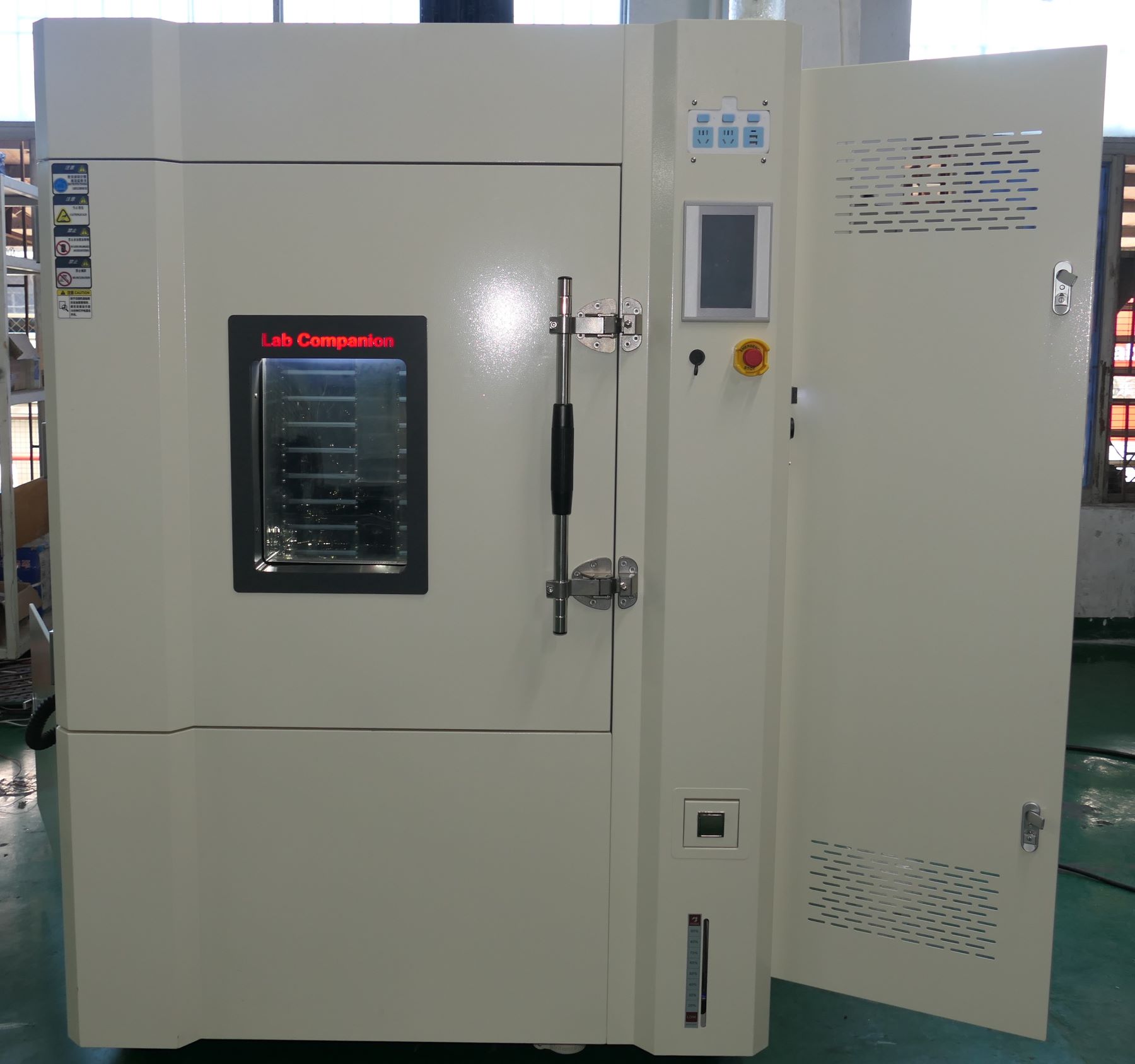
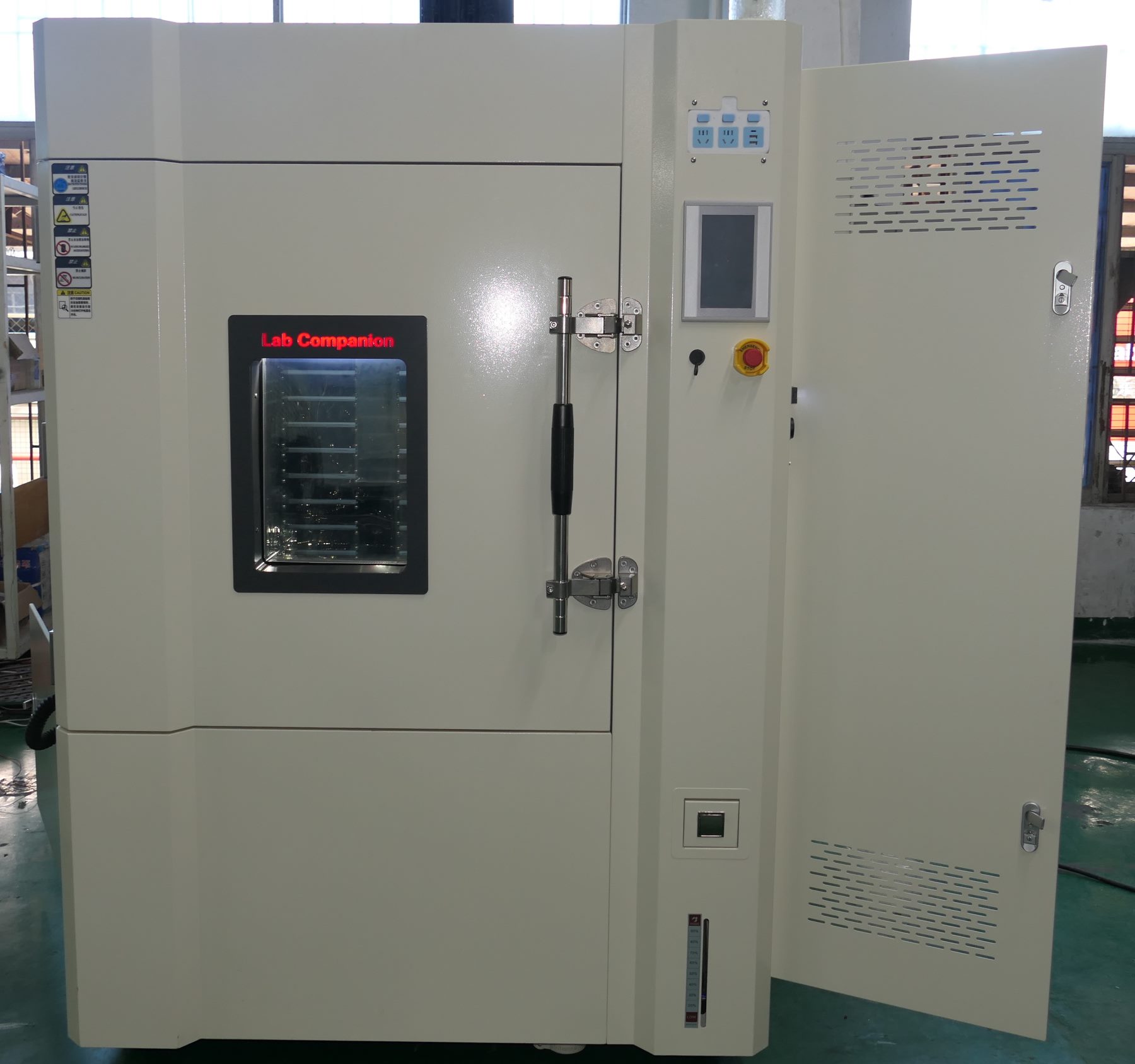
The high and low temperature, humidity, and heat test chamber employs a balanced temperature and humidity control method to achieve precise environmental conditions. It features stable and balanced heating and humidification capabilities, enabling high-precision temperature and humidity control at high temperatures. Equipped with an intelligent temperature regulator, the chamber uses a color LCD touch screen for temperature and humidity settings, allowing for various complex program settings. The program settings are set through a dialogue interface, making the operation simple and quick. The refrigeration circuit automatically selects the appropriate cooling mode based on the set temperature, enabling direct cooling and temperature reduction in high-temperature conditions. The base is constructed from welded channel steel into a grid frame, ensuring it can support the weight of the chamber and personnel under horizontal conditions without causing unevenness or cracking on the bottom surface. The chamber is divided into six surfaces and a double or single-opening door. The inner shell is made of stainless steel plate, while the outer shell is made of color-coated steel plate. The insulation medium is polyurethane rigid foam, which is lightweight, durable, and resistant to impact. The door is also made of color-coated steel plate, with handles designed for both internal and external opening, allowing test personnel to freely open the door from inside the enclosed chamber. This test chamber can record and trace the entire testing process, with each motor equipped with overcurrent protection and short-circuit protection for the heater, ensuring high reliability during operation. It is equipped with USB interfaces and Ethernet communication functions, meeting customers' diverse needs for communication and software expansion. The popular refrigeration control mode reduces energy consumption by 30% compared to the traditional heating balance control mode, saving energy and electricity. The chamber typically consists of a protective structure, air duct system, control system, and indoor testing framework. To better ensure the temperature reduction rate and temperature specifications of the high and low temperature humidity test chamber, a cascade refrigeration unit, which uses imported refrigeration compressors, is selected. This type of refrigeration unit offers advantages such as effective coordination, high reliability, and easy application and maintenance. When using this system, certain details should not be overlooked. What are these details?

1. Strictly abide by the system operation rules to avoid others violating the system operation rules.

2. Non-technical personnel are not allowed to disassemble and repair this machine. If disassembly and repair are required, the operation shall be carried out under the condition of ensuring power off and accompanied by personnel for supervision to avoid accidents.

3. When opening or closing the door or taking or putting the test object out of the test chamber, do not let the test object contact with the rubber edge of the door or the edge of the box to prevent the rubber edge from being worn.

4, the surrounding ground should be kept clean at any time, so as not to suck a lot of dust into the unit to deteriorate working conditions and reduce performance.

5. Attention should be paid to protection during use, and it should not be collided with sharp or blunt objects. The test products placed in the laboratory should be kept at a certain distance from the suction and exhaust air outlets of the air conditioning channel to avoid hindering the air circulation.

6. Prolonged inactivity can reduce the system's effective lifespan, so it should be powered on and operated at least once every 10 days. Avoid frequent short-term use of the system. After each operation, the system should not be restarted more than 5 times per hour, with each start-stop interval being at least 3 minutes. Do not open the door when it is cold to prevent damage to the door seal.

7. After each test, set the temperature near the ambient temperature, work for about 30 minutes, then cut off the power supply, and wipe clean the inner wall of the working room.

8. Regular cleaning of the evaporator (dehumidifier): Due to the different cleanliness levels of the samples, a lot of dust and other small particles will be condensed on the evaporator (dehumidifier) under the action of forced air circulation, so it should be cleaned regularly.

9. The condenser should be maintained regularly and kept clean. Dust sticking to the condenser will make the compressor dissipate heat poorly, resulting in high pressure switch jumping and generating false alarm. The condenser should be maintained regularly.

10. Regularly clean the humidifier to prevent scale buildup, which can reduce its efficiency and lifespan and cause blockages in the water supply lines. To clean it, remove the evaporator panel from the working chamber, use a soft brush to scrub the humidifier, rinse with clean water, and drain promptly. 11. Regularly check the test cloth of the wet bulb. If the surface becomes dirty or hard, replace it to ensure the accuracy of the humidity sensor's readings. The test cloth should be replaced every three months. When replacing it, first clean the water collection head, wipe the temperature sensor clean with a clean cloth, and then replace the test cloth. Ensure your hands are clean when replacing the new test cloth.
...