current location : home

How to use a yarn twist meter

A yarn twist meter is an important instrument used in the textile industry to measure yarn twist (the number of twists per unit length). Its operating accuracy directly affects the evaluation of yarn quality. The following are detailed usage steps and precautions:


I. Instrument preparation

1. Equipment inspection

(1) Confirm that all parts of the twist meter (clamp, counter, rotating handle, etc.) are intact and can rotate flexibly.

(2) Check whether the dial or digital display is reset to zero to ensure that there is no residual data.

2. Calibrate the instrument

Use standard yarn or calibration rod for calibration, compare the measured value with the standard value, and the error must be within the allowable range (such as ±1%).

3. Environmental conditions

Operate in a standard temperature and humidity environment (such as 20±2℃, relative humidity 65±3%) to prevent the yarn from shrinking or stretching due to environmental changes.


II. Sample preparation

1. Sampling

(1) Randomly select at least 10 samples from the yarn batch, usually 25cm or 50cm in length (depending on the standard requirements).

(2) Avoid selecting yarn segments with joints or obvious defects.

2. Pre-humidification treatment

Balance the sample in the test environment for 24 hours to eliminate the effects of static electricity and humidity.


III. Test steps

1. Fix the yarn

(1) Fix one end of the yarn in the left clamp, and fix the other end in the right clamp after gently straightening it, ensuring that the yarn is not loose or overstretched.

(2) Adjust the clamping tension according to the yarn type (e.g. 0.5cN/tex is commonly used for cotton yarn).

2. Untwisting operation

(1) Manual mode: Slowly rotate the handle or knob to rotate the right clamp until the yarn twist is completely untwisted (fibers are parallel).

Automatic mode: After setting the parameters, start the instrument, automatically complete the untwisting and record the data.

3. Record the number of twists

(1) Observe the number of twists (T) displayed on the counter, or record it manually using the dial.

(2) Repeat the test 3 to 5 times and take the average value to improve accuracy.

4. Calculate twist

(1) Twist (twists/m) = number of twists (T) / sample length (m)

(2) For example: a 50cm sample is untwisted 30 times, then the twist = 30/0.5 = 60 twists/m.


IV. Precautions

1. Operating specifications

(1) The untwisting speed must be uniform (usually 10 to 30 turns/min). Too fast may cause yarn breakage or data distortion.

The clamp must be aligned to prevent the yarn from tilting or slipping.

2. Data Verification

If the difference between multiple test results of the same sample is greater than 5%, it is necessary to check the stability of the instrument or resample.


3. Maintenance

(1) Clean the clamp regularly to prevent fiber accumulation from affecting the accuracy.

(2) Add light lubricant to the rotating parts to maintain flexibility.


V. Application Standards

Test with reference to international standards (such as ISO 2061, ASTM D1422) or national standards (such as GB/T 2543.1) to ensure comparability of results.

Through standardized operation and regular calibration, the yarn twist meter can effectively evaluate the yarn strength and weaving performance, providing a reliable basis for quality control in textile production.


Email: hello@utstesters.com

Direct: + 86 152 6060 5085

Tel: +86-596-7686689

Web: www.utstesters.com


...

How to use the ICI pilling tester

I. Introduction to the instrument


The ICI pilling tester is a professional test device used to evaluate the pilling performance of fabrics under friction, developed by the British Chemical Industry Company (ICI). The instrument quantitatively determines the anti-pilling performance of fabrics by simulating the friction of fabrics in daily use.


II. Instrument composition


1. Test box: accommodates test samples and friction devices.

2. Friction head: with abrasives of specific specifications.

3. Sample fixture: fix the test sample.

4. Counter: record the number of frictions.

5. Control system: set test parameters.

6. Vacuum cleaner: remove fiber scraps generated during the test.


III. Operation steps

1. Preparation before testing

(1) Place the instrument on a stable workbench and ensure it is level.

(2) Connect the power supply and check whether all parts of the instrument are normal.

(3) Prepare standard abrasives and fabric samples to be tested.

(4) Cut samples according to standard requirements (usually circular samples with a diameter of 140 mm).

2. Sample installation

(1) Fix the sample flatly on the sample fixture to avoid wrinkles.

(2) Ensure that there is no initial fuzzing or pilling on the sample surface.

(3) Install the standard abrasive on the friction head.

3. Parameter setting

(1) Set the number of frictions according to the test standard (usually 100-5000 times).

(2) Set the appropriate pressure (commonly 125g or 155g).

(3) Select the test mode (unidirectional or bidirectional friction).

4. Start the test

(1) Close the test chamber door.

(2) Start the instrument and start the friction test.

(3) Observe the sample status during the test (through the observation window).

5. Post-test operation

(1) After the test is completed, turn off the power.

(2) Carefully remove the test sample.

(3) Clean the abrasive and test chamber and prepare for the next test.


IV. Result evaluation

(1) Compare the tested samples with the standard samples for rating.

(2) Commonly used rating standards:

A. 5-level system: 5 is the best (no pilling), 1 is the worst (severe pilling).

B. Text description: none, slight, moderate, severe.

(3) A magnifying glass or microscope can be used for more accurate evaluation.

V. Precautions

1. Calibrate the instrument regularly to ensure the accuracy of the test results.

2. Keep the abrasive clean and in standard condition, and replace it regularly.

3. The test environment should be controlled under standard temperature and humidity conditions (usually 20±2℃, 65±2%RH).

4. Appropriate test parameters should be selected for different fabric types.

5. The sample should be balanced in a standard environment for at least 24 hours before testing.

6. Avoid direct contact with the abrasive surface with your hands during operation.


VI. Maintenance

1. Clean the inside of the instrument after each use

2. Check the lubrication of moving parts regularly

3. Cut off the power supply and cover to prevent dust when not in use for a long time

4. Perform regular professional maintenance as recommended by the manufacturer

By using the ICI pilling tester correctly, the anti-pilling performance of fabrics can be objectively evaluated, providing important data support for textile development and quality control.

Email: hello@utstesters.com

Direct: + 86 152 6060 5085

Tel: +86-596-7686689

Web: www.utstesters.com

...

Purpose of Textile Perspiration Color Fastness Tester

Textile Perspiration Color Fastness Tester is a testing device specially used to evaluate the color stability of textiles after contact with sweat. It simulates the effect of human sweat (acidic or alkaline) on fabrics to detect whether dyes will fade, migrate or stain to ensure that the textiles maintain color durability during wearing or washing.


Main Purpose

1. Evaluate the perspiration color fastness of textiles

Test whether textiles (such as clothing, home textiles, sports fabrics, etc.) fade or stain after being soaked in sweat to ensure that they meet industry standards (such as AATCC 15, ISO 105-E04, GB/T 3922, etc.).

2. Optimize dyeing process

Help textile printing and dyeing enterprises improve dye formula and color fixing process, improve product color fastness level, and reduce color migration problems caused by sweat stains.

3. Ensure clothing quality and consumer safety

Prevent sweat from causing dye to fall off and stain the skin, especially suitable for close-fitting textiles such as infant clothing, sportswear, underwear, etc., to ensure safety and comfort.

4. Meet international testing standards

Used for third-party testing institutions, laboratories and corporate quality control to ensure that products meet the color fastness requirements of markets such as Europe, the United States, and Japan when exported (such as OEKO-TEX®, REACH regulations).

5. Research new functional fabrics

Test the color stability of functional fabrics such as antibacterial, deodorant, moisture absorption and perspiration in sweat environments to verify their durability.


Test principle

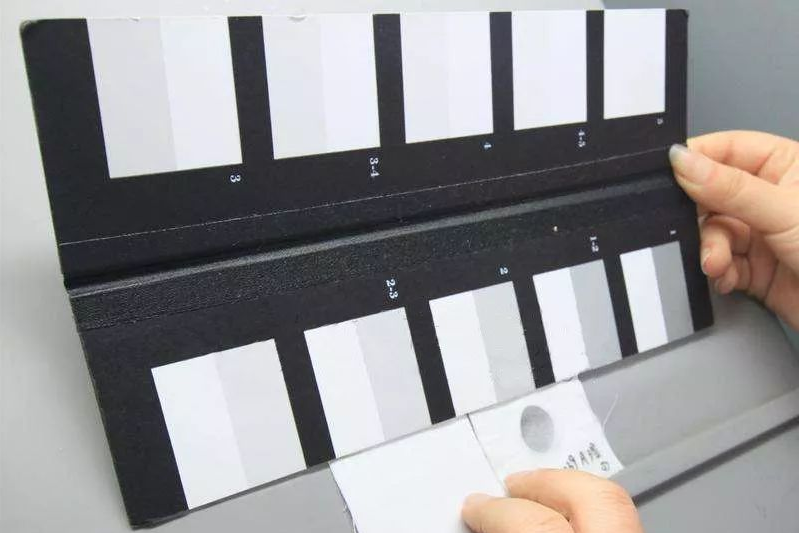
The tester usually simulates human sweat (artificial sweat is divided into acidic and alkaline types), fits the textile sample with a standard adjacent fabric (such as cotton, wool, etc.), keeps it at a specific temperature (such as 37±2℃) and pressure for a certain period of time, and then evaluates the discoloration of the sample and the staining of the adjacent fabric, and rates it according to a standard color card (such as a gray card) (1-5 levels, 5 is the best).


Applicable industries

Textiles and clothing: ready-made clothes, sportswear, underwear, socks, etc.

Home textiles: sheets, towels, curtains, etc.

Shoe materials: upper fabrics, linings, etc.

Testing agencies: quality inspection centers, third-party laboratories


Summary

Perspiration color fastness tester is a key equipment for quality control in the textile industry. It can effectively prevent fading problems caused by sweat, improve product quality and market competitiveness, and ensure consumers' health and comfort experience.


Email: hello@utstesters.com

Direct: + 86 152 6060 5085

Tel: +86-596-7686689

Web: www.utstesters.com


...

The application of the yarn length measuring instrument

The yarn length meter is a special device used in the textile industry to measure the length of yarn. Its main uses and functions include the following aspects:


1. Determine the standard length of yarn

It is used to accurately measure the actual length of a certain weight of yarn, or the weight of a certain length of yarn, and provide basic data for the subsequent calculation of yarn specifications (such as count, linear density).

Application scenarios: yarn production, trade acceptance, laboratory testing, etc.

2. Calculate the linear density (fineness) of yarn

By measuring the weight of a fixed length of yarn (or the length of a fixed weight of yarn), the linear density of the yarn (such as Tex, Denier, metric count, etc.) is calculated by combining the formula.

3. Detect yarn uniformity

By measuring the yarn length and weight in multiple sections, analyze the quality indicators such as yarn thickness uniformity and yarn unevenness.

Related standards: such as international standard ISO 2060, national standard GB/T 4743, etc.

4. Calibrate yarn packages

During the yarn winding process (such as bobbin yarn and hank yarn), ensure that the length of each roll of yarn meets the process requirements to avoid short or over-length problems.

5. Support textile process optimization

Provide accurate yarn data for subsequent processes such as weaving and knitting to help adjust process parameters (such as tension, yarn consumption, etc.).

6. Quality control and trade basis

In yarn trade, as a third-party testing tool, ensure that buyers and sellers agree on the length and specifications of yarn to avoid disputes.


Common types

Manual length gauges: such as the skein length gauge (used to measure the length of skein).

Automatic length gauge: with electronic sensors and software, it can automatically record data and generate reports.

Notes

The ambient temperature and humidity must be controlled during measurement (under standard conditions) to avoid yarn elongation or contraction affecting the results.

The instrument needs to be calibrated regularly to ensure accuracy.

The yarn length gauge is one of the key equipment for quality control in the textile industry, which directly affects yarn pricing and production efficiency.


Email: hello@utstesters.com

Direct: + 86 152 6060 5085

Tel: +86-596-7686689

Web: www.utstesters.com


...

Advantages of TEYUN Container shear

Container shears are a common metal processing equipment, mainly used for shearing metal materials such as plates and strips. Its advantages mainly include the following aspects:


1. Stable structure and high rigidity

Container shear usually adopt a box-shaped structure design, with strong overall rigidity, can withstand large shearing force, and are suitable for processing high-strength materials.


The stable structure reduces the vibration and deformation of the equipment during the shearing process and improves the processing accuracy.


2. High shearing accuracy

Due to the good rigidity of the container shears and the precise adjustment of the blade gap, the flatness and verticality of the shearing surface can be guaranteed, which is suitable for processing with high precision requirements.


It is suitable for occasions with high requirements for incision quality, such as precision sheet metal processing.


3. Wide range of applications

It can shear a variety of metal materials, such as low carbon steel, stainless steel, aluminum alloy, copper, etc.


It can handle plates of different thicknesses and widths and has strong adaptability.


4. Good safety performance

Equipped with protective devices (such as photoelectric protection, two-hand operation buttons, etc.) to reduce operating risks.


The stable structural design reduces the occurrence of accidents.

...

Metal Baler Machines Compact Powerhouses of the Scrap Industry

In the bustling world of scrap metal recycling, efficiency is paramount. Enter the metal baler machine – an indispensable piece of equipment designed to transform loose, bulky scrap into dense, manageable packages called bales. More than just a compactor, a metal baler is a sophisticated hydraulic press engineered to handle the immense forces required to conquer tough ferrous and non-ferrous materials.

The primary mission of a metal baler is volume reduction. Loose scrap metal – think shredded auto bodies, turnings, wire, sheet metal offcuts, or cans – occupies significant space, making storage, handling, and transportation costly and inefficient. Balers ingest this material into a large chamber. Using powerful hydraulic cylinders (often generating hundreds or even thousands of tons of force), a massive ram systematically compresses the metal against a fixed wall or opposing ram. This relentless pressure crushes voids, bends and deforms the material, packing it tightly into a rectangular or cylindrical bale. The compacted bale is then typically secured with wire ties before being ejected.


Key Advantages:


1.  Massive Volume Reduction: This is the most significant benefit. Reduction ratios of 10:1, 20:1, or even higher are common, drastically shrinking the footprint of scrap piles. This translates directly into:

2.  Lower Transportation Costs: More metal fits onto each truckload, reducing the number of trips required to move material to mills or foundries.

3.  Optimized Storage: Bales stack neatly and securely, maximizing yard space utilization and improving site organization and safety.

4.  Enhanced Material Value: Mills often prefer dense, homogeneous bales as they feed more consistently into furnaces and yield more predictable melt results. Clean, well-compacted bales can command better prices.

5.  Improved Safety & Handling: Loose, jagged scrap poses significant hazards. Bales are far easier and safer to move using standard material handling equipment like forklifts or cranes.

6.  Environmental Benefit: Efficient transportation means fewer truck miles and lower associated emissions. Tidy storage also minimizes environmental risks from loose scrap.


Balers come in various configurations (two-ram, downstroke, shear/baler combos) suited to different volumes and material types (light gauge, heavy fragmentation, wire). Key operational factors include throughput capacity (tons per hour), bale density achieved, chamber size, and power requirements. Robust construction is vital to withstand constant high-pressure stress and abrasive materials. Safety features like interlocks and guarding are critical due to the immense forces involved. Regular maintenance of hydraulic systems, rams, and cutting blades (if equipped) is essential for longevity and uptime.


The metal baler machine is far more than heavy machinery; it's a strategic asset for any serious scrap metal operation. By radically reducing volume, streamlining logistics, enhancing safety, and potentially boosting material value, balers provide a compelling return on investment. They embody the principle of working smarter, not harder, turning chaotic piles of scrap into neatly packaged commodities ready for their next life in the production cycle, making them fundamental to the efficiency and economics of modern metal recycling.

...

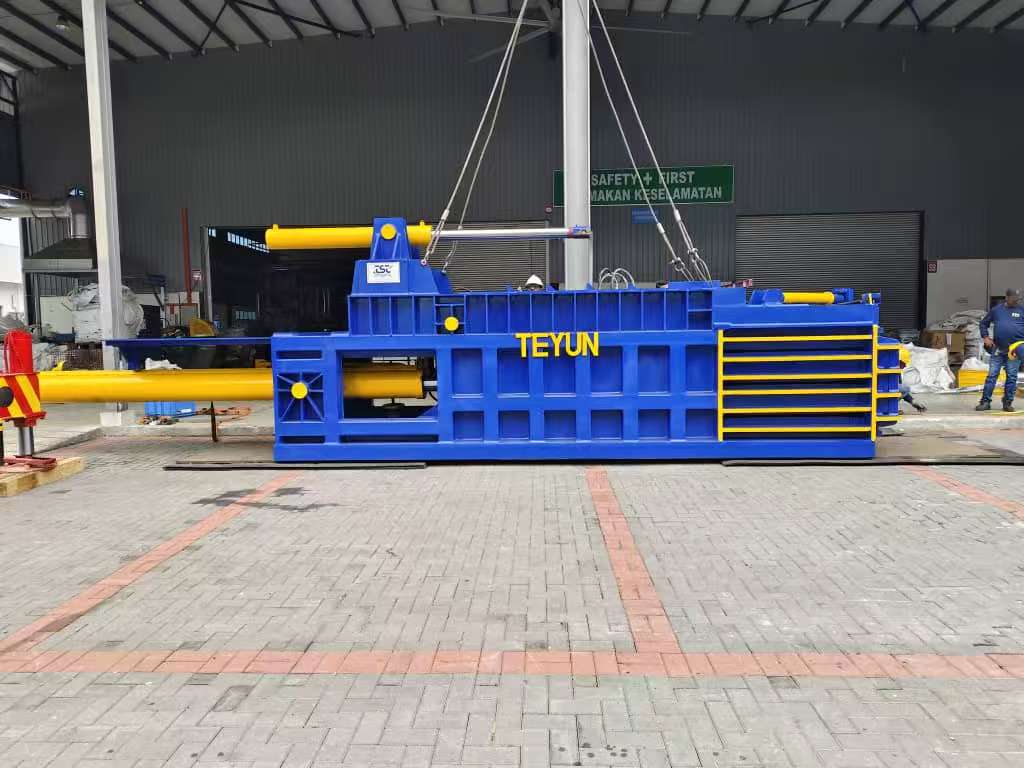
The Workhorse of Waste Management Horizontal Baling Machines

Horizontal baling machines are indispensable industrial workhorses designed to efficiently compress loose, bulky materials into dense, manageable bales for storage, transport, and recycling. Unlike vertical balers, they load material from the side into a long, horizontal compression chamber using a powerful hydraulic ram.


Core Function & Process:

1.  Loading: Material (cardboard, paper, plastic film, textiles, non-ferrous metals, foam, crop residues) is fed manually, via conveyor, or with a loader into the large horizontal charging chamber.

2.  Compression: A heavy-duty hydraulic ram pushes the material along the chamber, compacting it against a fixed platen or previous bale with immense force (often hundreds of tons).

3.  Bale Formation: Compression continues until the chamber is full and the material reaches the desired density. The ram retracts.

4.  Tying/Ejecting: Wires or plastic strapping are automatically fed around the dense block and tied. The rear door opens, and the ram ejects the finished bale.

5.  Reset: The door closes, and the cycle repeats.


Key Applications & Benefits:

   Recycling Centers: Processing vast volumes of OCC (old corrugated cardboard), mixed paper, plastics (PET, HDPE, film), and aluminum cans into standardized, high-density bales for sale to reprocessors.

   Manufacturing & Distribution: Handling packaging waste (cardboard, plastic wrap, foam) generated on-site, dramatically reducing waste volume and disposal costs.

   Retail & Warehousing: Managing cardboard boxes and packaging materials efficiently, improving cleanliness and safety.

   Agriculture: Baling crop waste (straw, husks), silage, or recyclable plastics used in farming.

   Textile Recycling: Compacting used clothing and fabric scraps.

   Volume Reduction: Achieves dramatic reductions (up to 90%), slashing hauling and landfill fees.

   Improved Efficiency: Creates uniform, dense bales that are stable, easy to handle (with forklifts), stack, and store, optimizing space.

   Enhanced Safety: Reduces trip hazards, fire risks, and manual handling associated with loose material.

   Revenue Generation: Produces valuable commodity bales for the recycling market.

   Environmental Compliance: Facilitates efficient waste diversion and recycling programs.


Considerations:

   Requires significant floor space for the machine, infeed area, and bale storage.

   Needs a reliable power source (often high-voltage) for the hydraulics.

   Demands trained operators and regular maintenance.

   Higher initial investment than vertical balers, offset by greater throughput and bale density.


In essence, horizontal balers are vital for any operation generating large volumes of recyclable or bulky waste, transforming messy, space-consuming materials into neat, transportable, and valuable commodity bales, driving operational efficiency, cost savings, and sustainability.

...

Tire Shredder Catalyst for economic growth and environmental protection

Tire shredders are specialized machines designed to process used tires into smaller, more manageable pieces. These machines play a crucial role in the recycling industry, helping to address the growing problem of tire waste.


Tire shredders are usually accompanied by tire wire drawing machines. After the steel wires in the tires are separated, the tires are fed into the feed port by a conveyor or manually, and then shredded.


Tire shredders offer several economic advantages:

1. Cost Savings: Shredding tires reduces waste volume, lowering disposal costs.  

2. Revenue Generation: Shredded rubber is sold as raw material for products like rubber asphalt, sports surfaces, and new tires, creating additional revenue.  

3. Energy Recovery: Shredded tires are used as tire-derived fuel (TDF) in cement kilns and power plants, offering a cost-effective alternative to fossil fuels and reducing energy costs.


Tire shredders also provide some environmental benefits:

1. Waste Reduction: Shredding tires reduces their volume, making them easier to manage and store, minimizing environmental impact.  

2. Resource Conservation: Recycling shredded rubber reduces the need for virgin rubber, conserving natural resources and lowering environmental impact.  

3. Carbon Footprint Reduction:Rubber powder and oil from waste tires replace industrial products, cutting carbon pollution.


Tire shredders are vital in combating tire waste, delivering economic and environmental benefits. They process used tires into valuable raw materials, enabling cost savings, revenue generation, and job creation. Additionally, they reduce waste, conserve resources, and prevent pollution, playing a key role in sustainable waste management. As recycling demand grows, tire shredders will remain central to building a cleaner, greener future.

...

How Can Electric Motors Operate in a Vacuum Environment? Examples of applications

With advancements in technology, the demand for electric motors operating in extreme environments has grown significantly. Among these, vacuum environments pose unique challenges for electric motors. This article explores how motors can function properly in a vacuum and introduces some typical application cases.


I. Special Requirements for Motors in a Vacuum Environment

A vacuum environment (typically defined as pressure below 1×10⁻⁵ Pa) affects motor operation in several ways:

Heat Dissipation Issues: The absence of air convection in a vacuum renders traditional cooling methods ineffective.

Material Outgassing: Certain materials release gases in a vacuum, contaminating the environment.

Lubrication Challenges: Conventional lubricants tend to evaporate or decompose in a vacuum.

Electrical Insulation Problems: The performance of insulating materials may change under vacuum conditions.

Thermal Expansion Differences: Variations in thermal expansion coefficients between materials become more pronounced with temperature changes.


II. Key Technologies for vacuum compatible motors

1. Special Heat Dissipation Designs

Use of high thermal conductivity materials (e.g., copper, aluminum) for housing

Design of heat-radiating fins to increase surface area for radiative cooling

Integration of heat pipes or liquid cooling systems (for high-power motors)


2. Selection of Vacuum-Compatible Materials

Use of low-outgassing materials (e.g., stainless steel, ceramics, specialty plastics)

Avoidance of high-outgassing materials like rubber and standard plastics

Selection of vacuum-compatible insulating materials (e.g., polyimide, PTFE)


3. Special Lubrication Systems

Use of solid lubricants (e.g., molybdenum disulfide, graphite)

Application of specialized vacuum-compatible greases

Design of self-lubricating bearing systems


4. Sealing Technologies

Use of metal seals or specialized elastomer seals

Design of multi-stage sealing systems

Consideration of thermal stress effects on seals


5. Special Electromagnetic Design

Optimized winding design to minimize heat generation

Consideration of corona discharge in a vacuum

Use of high-temperature-resistant electromagnetic materials


III. Typical Application Cases of Vacuum Motors

1. Aerospace Applications

Satellite Attitude Control Motors: Used for adjusting solar panels and Earth orientation.

Space Robotic Arm Drive Motors: Employed in the International Space Station and satellite servicing missions.

Rocket Propulsion System Valve Control Motors: Regulate fuel and oxidizer flow.


2. Semiconductor Manufacturing

Wafer Handling Robot Motors: Transport silicon wafers inside vacuum chambers.

Lithography Machine Precision Positioning Motors: Enable nanometer-level positioning accuracy.

Vacuum Deposition Equipment Rotary Motors: Ensure uniform coating deposition.


3. Scientific Research Equipment

Particle Accelerator Vacuum Pump Motors: Maintain ultra-high vacuum conditions.

Fusion Reactor Internal Drive Motors: Used in tokamak devices for various actuators.

Space Simulation Chamber Equipment Motors: Simulate space environments for testing on Earth.


4. Medical Devices

Proton Therapy System Gantry Motors: Precisely position patients in a vacuum environment.

Electron Microscope Stage Drive Motors: Enable nanometer-level sample movement.


5. Industrial Equipment

Vacuum Metallurgical Furnace Drive Motors: Handle materials in high-temperature vacuum conditions.

Vacuum Coating Production Line Conveyor Motors: Transport substrates in continuous production processes.


IV. Development Trends in Vacuum Motors

Higher Power Density: Deliver greater torque in limited spaces.

Longer Lifespan: Reduce maintenance needs, especially for space applications where repairs are difficult.

Smarter Control: Integrate sensors for condition monitoring and adaptive control.

New Material Applications: Use of advanced materials like carbon nanotubes and graphene.

Modular Design: Facilitate quick adaptation for different vacuum applications.


Conclusion

Motor technology for vacuum environments is a critical enabler for multiple high-tech industries. With advancements in materials science, thermal management, and precision manufacturing, the performance of vacuum motors will continue to improve, expanding their range of applications. In the future, vacuum motors will play an even more significant role in cutting-edge fields such as deep-space exploration, quantum technology, and next-generation semiconductor manufacturing.

...

How to Select the Right High/Low Temperature Servo Motor?

Selecting a suitable high/low temperature servo motor requires a comprehensive consideration of environmental conditions, performance requirements, material compatibility, and system reliability. Below are the key steps and considerations:

1. Define Operating Environmental Conditions

Temperature Range: Confirm the minimum and maximum temperatures the motor must withstand (e.g., -40°C to +85°C), as well as the rate of temperature change.

Humidity, Dust, and Corrosiveness: High/low-temperature environments may involve additional factors (e.g., condensation, salt spray), requiring materials with appropriate protection ratings (IP rating).

Vibration and Shock: Mechanical strength may degrade under extreme temperatures, so the motor’s structural vibration resistance must be evaluated.

2. Key Performance Parameters

Torque and Speed:

At low temperatures, increased lubricant viscosity may raise starting torque, requiring additional margin.

At high temperatures, magnetic performance (e.g., permanent magnet demagnetization) may degrade, necessitating high-temperature-resistant materials (e.g., samarium-cobalt magnets).

Power Matching: To prevent overheating due to efficiency loss at high temperatures, calculate actual thermal dissipation under load.

Feedback System: Encoders or resolvers must operate reliably in extreme temperatures.

3. Materials and Structural Design

Temperature-Resistant Materials:

Housing: Aluminum alloy (lightweight) or stainless steel (corrosion-resistant).

Seals: Silicone or fluorocarbon rubber (resistant to low-temperature brittleness and high-temperature aging).

Lubricants: Fully synthetic grease (e.g., PTFE-based) suitable for a wide temperature range.

Thermal Management:

High-temperature environments: Enhance cooling (e.g., heat sinks, forced air cooling).

Low-temperature environments: Optional heating elements to prevent condensation.

4. Electrical Compatibility

Insulation Class: Select materials with at least Class F (155°C) or Class H (180°C) insulation.

Cables and Connectors: Use shielded cables resistant to high/low temperatures to prevent cracking or melting.

5. Brand and Certifications

Special Certifications: Such as military (MIL-STD), automotive (AEC-Q200), or aerospace standards.

Supplier Experience: Prioritize vendors with proven experience in high/low-temperature motor applications.

6. Testing and Validation

Environmental Simulation Testing: Test motor start-stop and load performance in extreme temperatures using thermal chambers.

Lifetime Testing: Evaluate performance degradation after long-term thermal cycling.

7. Cost and Maintenance

Total Cost of Ownership: Higher-spec motors may cost more but reduce downtime losses.

Maintenance Convenience: Modular designs simplify seal or bearing replacement.

Recommended Selection Process

Define Requirements: Environmental parameters, load curves, dynamic response needs.

Preliminary Model Selection: Screen motors based on torque-speed curves.

Field Testing: Conduct small-batch trials and monitor performance.

Common Pitfalls

Ignoring Startup Characteristics: Locked-rotor current may surge at low temperatures, requiring protective circuitry.

Over-Reliance on Spec Sheet Data: Manufacturer data is often measured under ideal conditions; real-world derating is necessary.

By following a systematic selection process, high/low-temperature servo motors can achieve stable operation in extreme environments, balancing performance and reliability.


Zhonggu Weike Power Technology Co., Ltd. is a National Specialized, Sophisticated, and Innovative Enterprise specializing in the R&D, manufacturing, and application of special motors for harsh environments, including vacuum, high-temperature, cryogenic, and radiation conditions. Our products are widely used in aerospace, satellite communications, space observation, biomedical engineering, and genetic sample storage.

...