current location : home

What Are the Differences Between Vacuum Motors and Standard Motors?

The key differences between vacuum motors and standard motors lie in their materials, cooling mechanisms, and environmental adaptability. The former is specifically designed for vacuum environments, employing specialized processes to achieve low outgassing, high-temperature resistance, and contamination-free operation.


Material and Process Differences

1、Housing and Component Materials

Vacuum motors use specialized alloys or stainless steel housings resistant to high-pressure vacuum conditions, minimizing deformation to ensure positioning accuracy (e.g., neodymium magnets have lower temperature limits, while vacuum motors can withstand up to 300°C).

Coils utilize high-quality insulating materials and undergo processes like vacuum degassing and vacuum impregnation to reduce outgassing and prevent contamination in vacuum environments.

2、Lubricant Selection

Standard motor lubricants may volatilize or harden in a vacuum, leading to failure. Vacuum motors use specialized lubricants resistant to extreme temperatures, ensuring reliable operation.

3、Insulation and Voltage Resistance

Standard motors: Insulation is designed for atmospheric pressure, with no need for high-voltage breakdown protection.

Vacuum motors:

Enhanced insulation: Vacuum environments lower breakdown voltage, requiring materials like polyimide film or ceramic insulators.

Arc-resistant design: Prevents vacuum arcing from damaging components.


Structural Sealing

Standard motors: Typically require only dust/water resistance (IP ratings).

Vacuum motors:

Vacuum sealing: Uses metal gaskets (e.g., copper seals) or welded structures to prevent gas leakage.

Particle-free design: Avoids releasing internal debris into the vacuum.


Cooling and Environmental Adaptability

1、Cooling Mechanism

Standard motors rely on air convection, while vacuum motors dissipate heat only via conduction and radiation. Vacuum motors optimize cooling through thermal path enhancements and integrated temperature sensors.

2、Extreme Temperature Tolerance

Standard motors: Max ~130°C; prolonged exposure causes torque loss or demagnetization.

Vacuum motors: Withstand 200°C+ continuously, with peak tolerance of 280–300°C.


Functionality and Applications

1、Contamination Control

Vacuum motors use low-outgassing materials and sealed designs, making them ideal for semiconductor manufacturing, optical instruments, and other ultra-clean environments. Standard motor organics (e.g., grease, adhesives) can pollute vacuums.

2、Application Fields

Vacuum motors:

Aerospace (satellite mechanisms, solar array drives)

Semiconductor (wafer-handling robots)

Vacuum coating machines, particle accelerators

Standard motors: Industrial machinery, household appliances, automotive (atmospheric conditions).


Note: Using standard motors in vacuums requires additional sealing and cooling systems, increasing complexity. The core advantage of vacuum motors is their built-in compatibility with extreme environments.

...
Will Stepper Motors Experience Step Loss in High-Temperature Environments?

1. Causes of Step Loss in High-Temperature Environments,The primary reasons for step loss in stepper motors under high temperatures involve changes in motor performance, drive circuitry, and mechanical load:

(1)Changes in Motor Winding Resistance

Increased Copper Loss: High temperatures raise the resistance of motor windings, leading to higher copper losses and increased coil heating. If heat dissipation is insufficient, this can create a vicious cycle, further reducing efficiency.

Current Reduction: Some drivers may automatically reduce output current (e.g., through thermal protection) as temperatures rise, resulting in insufficient torque to overcome load inertia and causing step loss.

(2)Degradation of Magnetic Material Performance

Permanent Magnet Demagnetization: High temperatures can weaken the magnetic field strength of rotor permanent magnets (especially neodymium magnets, which may irreversibly demagnetize above their Curie temperature), reducing motor output torque.

Core Losses: Eddy current losses in the stator core increase under high-frequency magnetic fields, generating additional heat and degrading magnetic circuit efficiency.

(3)Deterioration of Drive Circuit Performance

Increased MOSFET On-Resistance: The on-resistance of power transistors (e.g., MOSFETs) in the driver rises with temperature, leading to higher voltage drops and reduced actual voltage/current delivered to the motor.

Control Chip Parameter Drift: Parameters of certain driver ICs or sensors (e.g., current detection circuits) may drift with temperature, reducing current control accuracy and increasing microstepping errors.

(4)Mechanical System Effects

Lubrication Failure: High temperatures reduce the viscosity of bearing or slide grease, or even cause it to dry out, increasing friction resistance and requiring higher motor torque to maintain motion.

Thermal Expansion Mismatch: Differences in thermal expansion coefficients between the motor and mechanical load structures may alter fit clearances (e.g., abnormal preload in lead screw assemblies), increasing motion resistance.

(5)Insufficient Heat Dissipation

High Ambient Temperature: If the motor or driver is installed in an enclosed space or has poor thermal design (e.g., no fan or heat sink), heat accumulation will accelerate the above issues.

2. Relationship Between High/Low-Temperature Stepper Motor Design and Step Loss Risk

The key difference between high/low temperature stepper motors and standard stepper motors lies in their temperature-resistant materials and optimized structures, designed to maintain stable performance across a wide temperature range.

High-Temperature-Resistant Materials and Current Compensation: Ensure the motor can still deliver sufficient torque at high temperatures to resist sudden load changes.Optimized Thermal Management: Reduces localized overheating, preventing mechanical jamming or magnetic field non-uniformity due to thermal deformation.High-Temperature Lubrication and Insulation Protection: Slows performance degradation, maintaining stepping accuracy over long-term operation.Specialized Motors for Extreme Conditions: For extreme high-temperature applications (e.g., aerospace), specialized motors (e.g., hybrid stepper-servo designs) or active cooling solutions may be required.

...

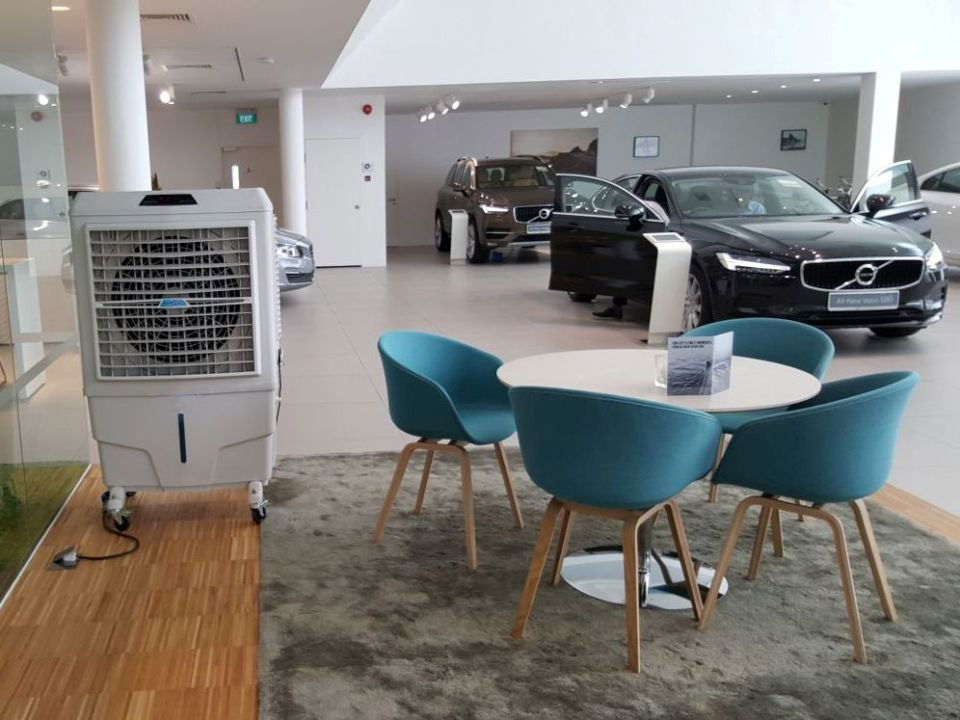
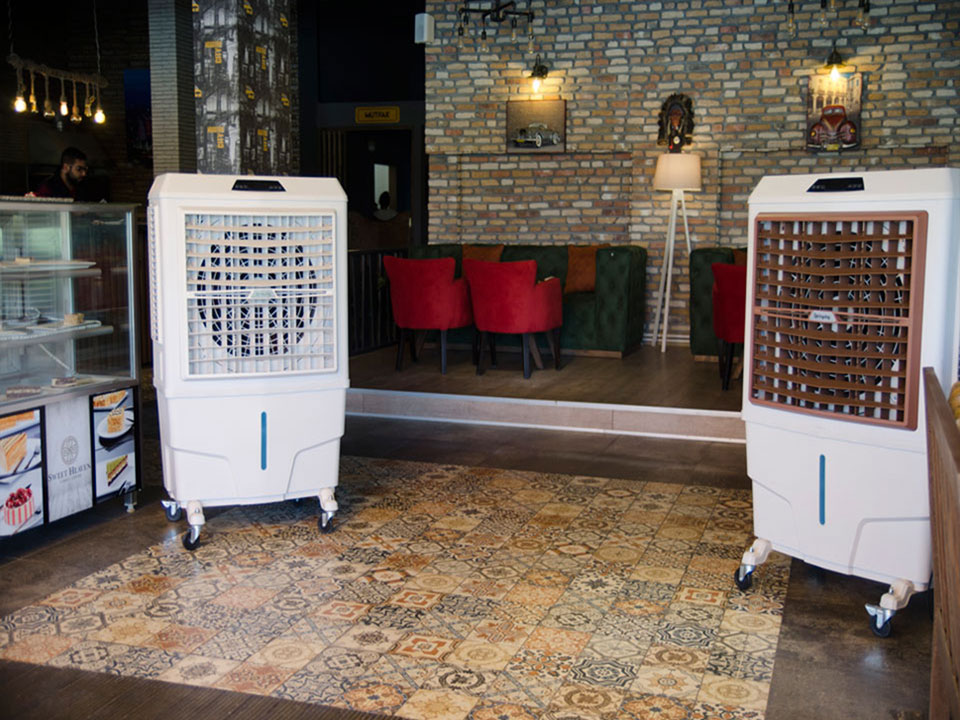
7 Key Advantages of Siboly Portable Air Coolers for Industrial & Commercial Cooling

Core Advantage

Siboly portable air coolers deliver industrial-grade cooling at 90% lower energy costs than traditional AC while maintaining air purityideal for warehouses, workshops, and commercial spaces.


Top 7 Advantages Backed by Engineering

1. Unmatched Energy Efficiency

380W Motor vs. 1.5KW+ AC systems (XZ13-080 model)

Cost Comparison:

Traditional AC: $2.25/hour

Siboly Cooler: $0.06/hour

Save $4,000+/year per unit (10 hrs/day operation)

 energy efficient workshop cooling

2. High-Capacity Climate Control

8,000 m³/h Airflow: Cools 50-70m² spaces

3-Speed Control: Adjust from gentle breeze to industrial-grade ventilation

85% Evaporative Efficiency (vs. 60-70% in consumer-grade units)

industrial portable air cooler advantages 

3. Advanced Air Purification

Triple-Layer Filtration System:

Pre-dust filter (captures large particles)

Cellulose cooling pads (natural humidification)

Optional HEPA upgrade (for allergen-prone environments)

Ideal for dusty workshops or food processing areas

8000 m³/h portable evaporative cooler 

4. Portability Redefined

Heavy-Duty Casters: Supports 32kg unit weight

Rotational Molding Housing: Impact-resistant PP material

Space-Saving Design: 1400×850×465mm footprint

low maintenance industrial air cooler 

5. Continuous Operation Capability

100L Oversized Tank: 12+ hours runtime (vs. 8L in consumer units)

Auto-Refill Compatibility: Connect to water lines for 24/7 use

high-capacity portable cooler 100L tank 

6. Smart Control & Monitoring

Remote control + digital display

Timer functions & humidity sensors

Low-water auto-shutdown protection

Siboly XZ13-080 performance review 

7. Industrial Durability

Corrosion-resistant components

IPX4 water-splash rating

5-year motor warranty

commercial evaporative cooler benefits 


Real-World Performance Data

Metric

Siboly XZ13-080

Standard Consumer Cooler

Coverage Area

70 m²

20 m²

Daily Water Consumption

80L

15L

Noise Level

≤62 dB

68-75 dB

Filter Replacement Cycle

6 months

2 months


Where Siboly Portable Coolers Excel

Warehouse Spot Cooling: Target heat zones near machinery

Event Spaces: Outdoor festivals or temporary shelters

Automotive Shops: Combat fumes + high-temperature tools

Commercial Kitchens: Reduce heat without grease-clogged filters

Case Study: Dubai logistics center cut cooling costs by 78% using 12 Siboly units vs. previous AC system.


Maintenance Made Simple

Monthly: Rinse cooling pads with water

Quarterly: Deep-clean filters (takes<15 mins)

Bi-Annual: Inspect motor bearings

No specialized technicians required

...

Core Power for Crystal-Clear Water The Next Generation of Shinhoo Pool Pumps

A swimming pool’s long-lasting clarity depends on more than just routine cleaning—it relies on the strength and stability of the pump at its heart. When facing extreme climates and harsh environments, only a pump built with durability, stable output, and extended service life can ensure water remains consistently pure. Shinhoo’s latest pool pumps, designed for demanding conditions, combine advanced engineering with innovative materials to provide a complete solution for pool water management.


Comprehensive Protection System

Shinhoo pool pumps are engineered with an IP55-rated fully sealed motor, capable of withstanding high-pressure water jets from any direction. Resistant to salt mist, heavy rain, and airborne dust, the pump is shielded by an integrated protective housing made of high-strength materials. This housing not only absorbs physical impact but also blocks UV damage, effectively extending the pump’s service life by up to 300%—outperforming industry standards.


Durable Hydraulic System

At the core of the overcurrent system is a fully polymer-based hydraulic module, eliminating metal-to-water contact and removing the risk of rust. High-performance composite materials have been tested with 2000 hours of salt spray exposure and 5000 corrosion cycles, ensuring complete resistance against aggressive water chemistry, including sodium hypochlorite oxidation. This level of protection guarantees water quality that meets drinking water standards.


Long-Life Sealing Technology

The pump employs silicon carbide seals with a Mohs hardness rating of 9.5—five times more wear-resistant than standard seals. An automatic dynamic compensation structure maintains precise sealing gaps, enabling over 10,000 hours of leak-free operation.


High-Efficiency Copper Core Motor

Every Shinhoo pool pump is powered by a 100% copper winding motor, offering 40% higher conductivity than aluminum alternatives. This results in a 25°C reduction in operating temperature and 30% lower energy losses. Built with vacuum varnish impregnation, F-class insulation (resistant to 155°C), and reliable performance in temperatures ranging from -20°C to 60°C, the motor is designed for consistent operation in all conditions.


Intelligent Operation and Maintenance

Shinhoo pool pumps integrate user-focused features that simplify daily maintenance:

A 3L oversized strainer basket with a 200-mesh fine filter captures microscopic debris, reducing cleaning frequency by 50%.

A self-priming lift of 2.5 meters allows flexible installation for underground or rooftop pools.

An ergonomic handle ensures single-handed installation, increasing efficiency by 60%.


Smarter, Greener Pool Pumping

Shinhoo’s innovation in pool pump technology also extends to digital control and energy savings. The digital pool pump options enable precise performance monitoring, while variable speed pool pump models allow users to optimize flow rates according to pool size, usage, and seasonal needs. By adjusting motor speed, these pumps consume significantly less power, making them the ultimate energy-efficient pool pump solution.


Where advanced material science meets precision engineering, Shinhoo delivers pumps that serve as the foundation of a healthy pool ecosystem. With unmatched durability, intelligent features, and sustainable efficiency, Shinhoo pool pumps are built to protect crystal-clear water—season after season, year after year.

...

What are the Environmental benefits of T6061 Forged Wheels?

T6061 forged wheels offer significant environmental advantages, making them a top choice for eco-conscious drivers and manufacturers committed to sustainable development. Their lightweight construction enhances vehicle efficiency by reducing energy consumption—whether in traditional gasoline-powered cars or modern electric vehicles (EVs). By improving fuel economy and reducing rolling resistance, these wheels help lower carbon emissions, contributing to cleaner air and a healthier planet.


Unlike conventional cast wheels, which rely on energy-intensive melting and cooling processes, the forging of T6061 aluminum alloy consumes far less energy and generates fewer greenhouse gas emissions during production. This makes forged wheels a more sustainable manufacturing option. Additionally, T6061 aluminum is 100% recyclable, retaining its structural integrity even after multiple recycling cycles. This closed-loop system ensures that old wheels can be repurposed into new high-performance components, minimizing waste and reducing the need for raw material extraction.


For automakers and consumers alike, T6061 forged wheels represent an eco-friendly upgrade without compromising strength, durability, or performance. As the automotive industry shifts toward greener solutions, adopting sustainable materials like T6061 aluminum supports global efforts to combat climate change. By choosing forged wheels, drivers not only enhance their vehicle’s efficiency but also take an active step toward reducing their carbon footprint.


Using T6061 forged wheels is more than just a performance decision—it’s a commitment to environmental responsibility. As we strive for a more sustainable future, every small change, from lightweight wheel technology to recyclable materials, plays a crucial role in preserving Earth’s resources for generations to come.

Rimpower forged car wheels


Rimpower provide customized forged wheels,like monoblock, two-piece and three piece which could fit different cars. Don't hesitate to send the enquiry.


...

Exploring the Secrets of CNC Hydraulic Shearing Machine

In the modern sheet metal processing industry, the position of shearing machines is irreplaceable. Whether it is automobile manufacturing, shipbuilding heavy industry, building structure, or home appliance production, precise cutting of metal sheets is a key process. Compared to traditional mechanical shearing machines, CNC hydraulic shearing machines, with their stable power systems and intelligent control, are becoming the industry's mainstream choice. Today, we'll explore the secrets of CNC hydraulic shearing machines and learn why they have become an industry favorite.


1. Classification of CNC hydraulic shearing machines

According to the different movement modes of the upper tool holder, CNC hydraulic shearing machines are mainly divided into two structures: Swing Beam type and Guillotine type.


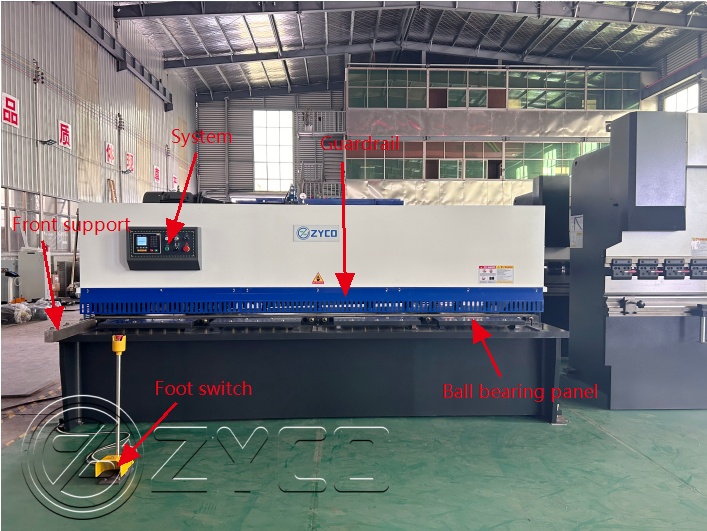
Swing Beam Shearing Machine

cnc hydraulic shearing machine


(1.System, used to input cutting dimensions and send operation instructions.

(2.Guardrail.

(3.Foot switch is the only tool for manual control of machine movement.

(4.Ball bearing panel for easy feeding.

(5.Front support, used to hold the sheared sheet.


Working principle: The upper tool holder swings in an arc around the fixed axis to complete the shearing.

Features: Simple structure, easy maintenance, low cost. Suitable for shearing medium-thin plates (generally less than 10mm). Easy to adjust the blade clearance, but the cutting accuracy is slightly lower than that of the guillotine type.

Typical applications: sheet metal processing plants, small and medium-sized steel structure enterprises.


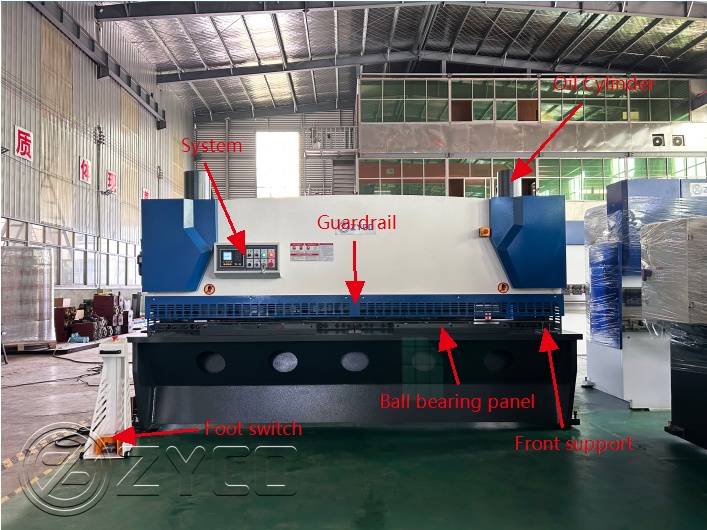
Guillotine Shearing Machine

hydraulic shearing machine

(1.System, Used to input cutting size, adjust angle, flush oil, etc.

(2.Oil Cylinder, guillotine shearing machine cylinder is at the top of the machine.

(3.Guardrail.

(4.Foot switch is the only tool for manual control of machine movement.

(5.Front support, used to hold the sheared sheet.

(6.Ball bearing panel for easy feeding.


Working principle: The upper tool holder cuts in a straight line downward in a vertical or nearly vertical direction.

Features: Suitable for processing thick plates or those requiring high cutting accuracy. The shearing angle and the gap between the blades are adjustable, and the plate deformation is small.

Typical applications: shipbuilding, large steel structures, and precision sheet metal processing.

Summary: The swing beam type is suitable for pursuing economy and batch processing of thinner plates, while the guillotine type is more suitable for high-precision or thick plate cutting needs.


2. Advantages of CNC hydraulic shearing machine


(1. High Shearing Precision and Excellent Cut Quality

The hydraulic transmission system ensures uniform shearing force, reducing sheet warping and burrs.

The CNC system precisely adjusts the blade gap to accommodate materials of varying thicknesses.

The guillotine type machine has a smooth incision and little deformation.

(2. Convenient Operation, Significantly Improved Efficiency

The backgauge is CNC-adjustable, allowing for automatic positioning upon dimension input.

Multi-step programming supports continuous shearing of multiple specifications.

Significantly reduce manual errors and improve production efficiency.

(3. Adaptable to Various Processing Needs

Adjustable cutting angle and blade gap adapt to various materials, including carbon steel, stainless steel, and aluminum.

Suitable for production environments with frequent specification changes, shortening switching time.

(4. Sturdy Structure and Long Life

The frame is welded and tempered for strong deformation resistance.

Adopting imported seals and high-quality oil pump, it runs stably.

(5. High Safety Features

The hydraulic pressing device prevents the sheet from sliding.

Equipped with photoelectric protection and an emergency stop button, the machine ensures safe operation.


3. Wide range of application fields


CNC hydraulic shearing machines play an important role in many industries and meet diverse metal sheet processing needs.


Sheet metal processing: efficient shearing of components such as chassis, control cabinets and ventilation equipment.

Elevator manufacturing: Processing car wall panels, door panels and structural parts to ensure quality and safety.

Engineering machinery and power equipment: cutting cab covers, switch cabinets and key components of power transformation equipment.

Architectural decoration: cutting curtain wall panels and metal decorative materials, taking into account both aesthetics and durability.

Automobile and home appliance manufacturing: batch processing of body parts, brackets and home appliance casings.

New energy field: efficient cutting of structural parts such as wind power and photovoltaic brackets.


Conclusion


CNC hydraulic shears, with their high precision, intelligent control, and excellent safety features, have become indispensable equipment in modern sheet metal processing. In practical use, equipment stability and comprehensive service support are equally crucial. After many industry surveys and customer feedback, ZYCO CNC hydraulic shearing machine has won wide recognition for its reliable quality and excellent after-sales service. Choosing the right equipment not only improves production efficiency but also provides companies with a lasting competitive advantage.

...

Application of Temperature Flow Meters

 A temperature flow meter is a precision instrument used to measure gas flow and temperature, widely applied in environmental monitoring, air conditioning systems, industrial manufacturing, and related fields. Its fundamental principle involves detecting temperature variations caused by gas flow to accurately calculate airflow velocity and volume, thereby providing users with precise data support. The instrument's key features lie in high precision and rapid response. Typically equipped with advanced sensors, it can swiftly capture minute changes in flow rate and provide real-time feedback. Its measurement accuracy remains exceptional even under complex environmental conditions, which is particularly crucial for industrial applications requiring strict control of airflow and temperature. Additionally, the operation of temperature flow meters is relatively simple—users only need basic configuration to obtain required data. This user-friendly design makes it easy for both professionals and general users to operate. Many modern models also feature digital displays with intuitive interfaces, allowing users to quickly understand current status and enhance usability. The instrument demonstrates excellent stability, maintaining consistent measurements over extended periods without significant drift, ensuring data reliability. With continuous technological advancements, many devices now integrate data storage and transmission functions, enabling users to review and analyze historical data post-test for informed decision-making. In conclusion, the thermal anemometer has become an indispensable tool in various industries due to its high precision, rapid response, user-friendly operation, and excellent stability. In daily life and professional settings, mastering this instrument not only enhances work efficiency but also provides crucial support for scientific research and engineering applications. As a vital measurement technology in modern science, it plays a pivotal role in technological advancement.

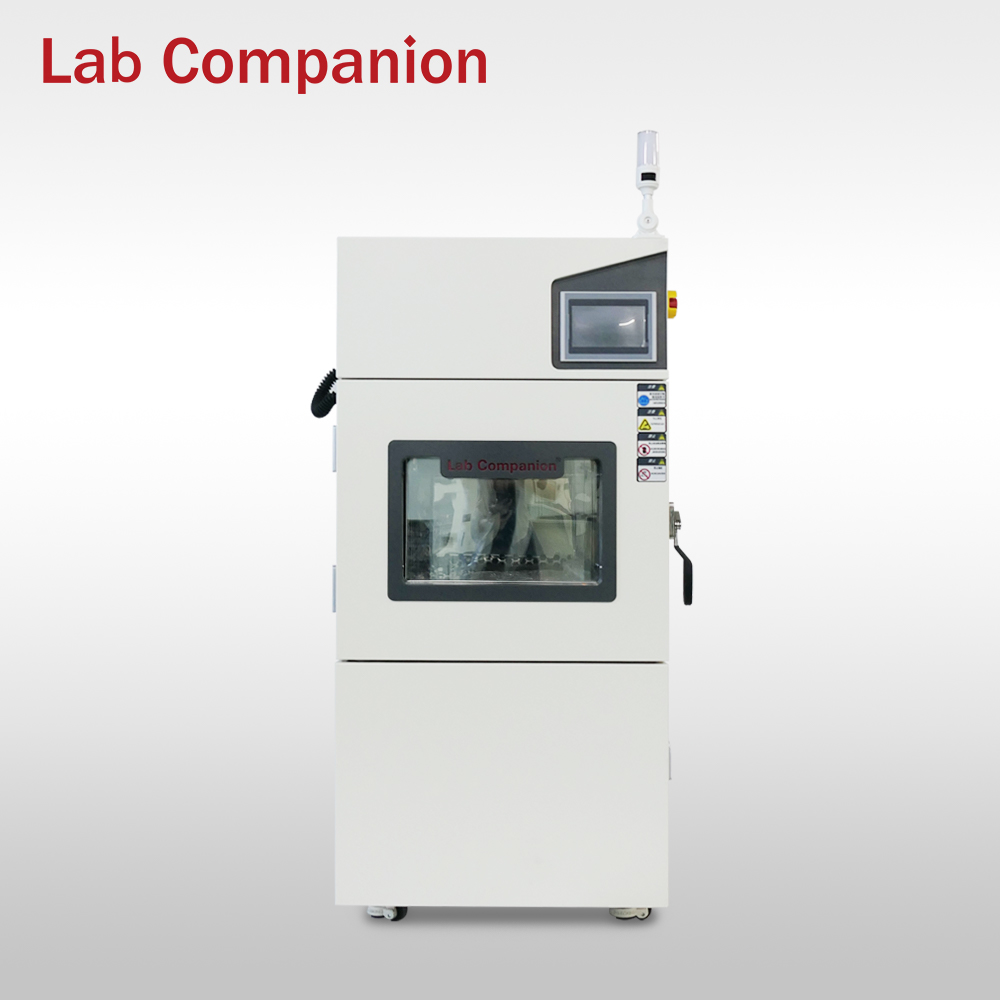
LAB COMPANION LTD Environmental Test Chambers

...

Common faults and treatment methods of constant temperature and humidity test chamber

When operating a constant temperature and humidity test chamber, it is important to be aware of potential issues during the process and ensure proper operation. Improper handling can easily lead to equipment malfunctions. However, over time, some faults will inevitably occur. In this article, we will discuss several common faults and their solutions.

  1. Fault: If the temperature does not reach the set value during high-temperature testing, the first step is to check the electrical system and troubleshoot each component. If the temperature in the constant temperature and humidity test chamber rises too slowly, check the air circulation system to ensure the adjustment damper is functioning properly. If the temperature rises too quickly, adjust the PID settings. If the temperature rises too quickly and triggers the over-temperature protection, the controller may be faulty; in this case, replace the control panel or solid-state relay.
  2.  Fault: If the constant temperature and humidity test chamber fails to meet the low-temperature test requirements, investigate whether the temperature drops very slowly or if it stabilizes at a certain point before rising again. If the temperature drops very slowly, check if the chamber was dried before the low-temperature test to maintain dryness. Ensure the samples are not placed too densely to prevent inadequate air circulation. After ruling out these issues, consider whether the refrigeration system is malfunctioning; in such cases, seek professional repair from the manufacturer.
  3.  Fault: If the constant temperature and humidity test chamber malfunctions during operation, with the control panel displaying a fault message and an audio alarm, the operator can refer to the troubleshooting section of the equipment's user manual to identify the type of fault. Professional maintenance personnel should then perform the necessary repairs to ensure the test proceeds smoothly. Other environmental experimental equipment will have other conditions in use, which need to be dealt with according to the current situation.                                            constant temperature and humidity test chamber
...

Delivery Standards for Lab Companion Products

Key Considerations for Equipment Handover to Ensure Proper On-Site Operation:

1. Equipment Installation and Commissioning

Our company oversees the transportation and electrical connection of the equipment, ensuring proper operation at the customer's site. All installations strictly comply with the standard acceptance criteria for environmental test chambers. We conduct regular third-party inspections to guarantee continuous adherence to industry standards. Should the customer require an inspection report upon acceptance, we can arrange for an accredited third-party agency to perform on-site testing.


2. Customer Technical Training System

2.1 Basic Operation Training

The training covers equipment startup/shutdown procedures, test program configuration, and routine maintenance protocols. Depending on the user's industry (e.g., third-party testing institutions, automotive manufacturers), the training program is customized to align with specific operational scenarios.


2.2 Advanced Maintenance Training

This program focuses on developing users' troubleshooting and repair capabilities, including humidity system failure diagnosis in temperature-humidity test chambers. Training includes key component replacement procedures and precautions to establish an independent maintenance competency system.


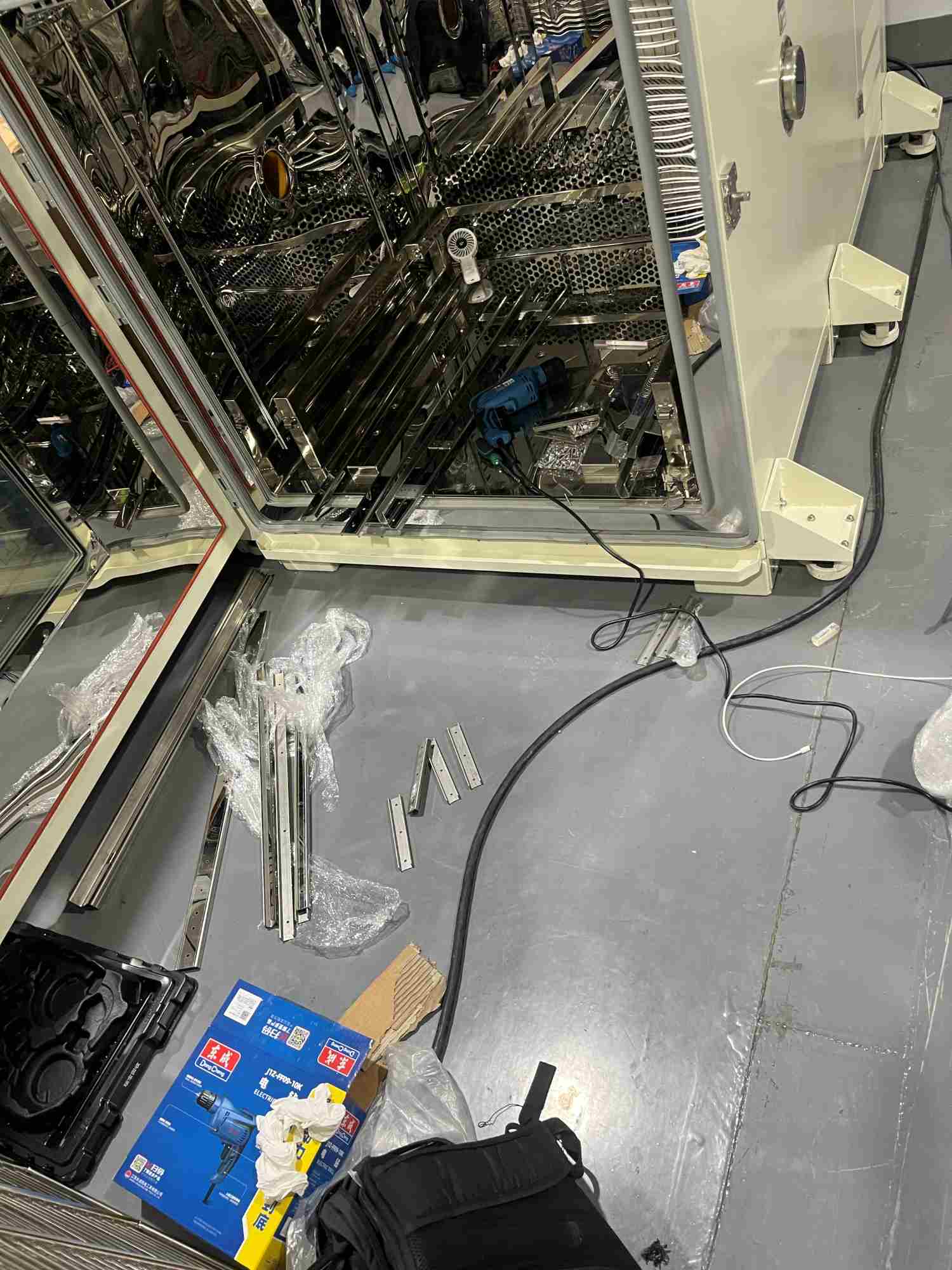
                                                                   On-site Chamber Repair Photos


3. Technical Support Service Protocol

3.1 Emergency Response Mechanism

A standardized fault response process ensures technical support is initiated within 2 hours of receiving a service request. Common faults are resolved within 48 hours (with alternative solutions negotiated for remote regions).


3.2 Remote Technical Support

Equipped with a professional remote diagnostic system, real-time video communication or dedicated software access enables rapid fault identification.


4. Spare Parts Supply and Maintenance Assurance

4.1 Spare Parts Management Plan

To enhance after-sales support, we establish dedicated spare parts warehouses for high-volume buyers and repeat clients, enabling rapid response to service needs. Each customer is assigned a dedicated profile to optimize resource allocation.

Priority supply channels are reserved for key partners (e.g., CRCC, CETC), ensuring expedited spare parts delivery to minimize equipment downtime.


4.2 Maintenance Service Policy

Free repairs are provided for non-human-induced failures during the warranty period. Post-warranty maintenance services follow a transparent pricing system, with detailed repair plans and cost estimates provided in advance.

Our company maintains a professional after-sales maintenance team and is committed to continuously improving the technical expertise of our service personnel. We anticipate being able to provide on-site support for international customers in the near future.

...

Maintenance methods for constant temperature and humidity test chambers

1. Dust adhering to the condenser can cause the high-pressure switch of the compressor to trip and issue false alarms. Therefore, dust attached to the cooling grid of the condenser can be removed with a vacuum cleaner every month, or by using a hard-bristled brush after turning on the machine, or by blowing it off with a high-pressure air nozzle.
2. The area around the machine and the ground at the bottom should be kept clean at all times to prevent a large amount of dust from being sucked into the unit or reducing equipment performance and causing accidents.
3. When opening or closing the door or taking samples from the test chamber, do not touch the sealing strip on the door.
4. The core of the constant temperature and humidity test chamber - the refrigeration system should be inspected once a year. Check for leaks in the copper tubes and at each joint and interface. If there are any, inform the manufacturer.
5. The humidifier and water tank should be cleaned frequently to avoid scaling and affecting steam emission. Clean them after each test. Timely descaling helps extend the lifespan of the humidification tube and ensures smooth water flow. When cleaning, use a copper brush and then rinse with water.
6. The distribution room should be cleaned and inspected more than once a year. Loose nodes can put the entire equipment in a dangerous working state, burn out components, cause fires, alarms, and endanger lives.
7. The dry and wet bulb wicks should be checked frequently. Replace them promptly if they become hard or dirty. It is recommended to replace them every three months.
8. Inspection and maintenance of the water circuit. The water pipes in the water circuit are prone to clogging and leakage. Regularly check for leaks or blockages. If found, remove them promptly or notify the manufacturer.

...