current location : home

PP Woven Valve Bag Extrusion line - Gachn, the Efficient and Intelligent Choice for Plastic Weaving Equipment

In the field of plastic woven machinery manufacturing, PP woven valve bags are widely used in the chemical, building materials, grain, and feed industries due to their high strength, excellent wear resistance, and strong sealing properties. In the upstream process of the valve bag production line, the wire drawing machine is a key piece of equipment that determines product quality and production efficiency.

Gachn Group's wire drawing machines are specifically designed for the production of high-quality PP flat yarn. Integrating intelligent, automated, energy-efficient, and environmentally friendly features, they are an ideal choice for many plastic weaving equipment manufacturers looking to increase production capacity and quality.


Why choose Gachn Group Extrusion line?

 
High-Precision Intelligent Control

1. Equipped with an imported intelligent PLC centralized control system, it supports synchronized speed adjustment across the entire line and individual machine fine-tuning, ensuring simple and stable operation.

2. PID temperature control ensures precise temperature control and more stable wire drawing quality.

 
Advanced Automation

1. The automatic belt screen changer supports mixing new PP materials with an appropriate amount of masterbatch, ensuring continuous screen change and significantly improving production efficiency.

2. The variable frequency drive system enables high-speed production, with a maximum winding speed of 450m/min.


High-quality finished yarn output

1. The extruder screw and barrel are made of 38CrMoALA high-strength alloy steel, which is wear-resistant and has a long service life.

2. The 4-roller drafting and 4-roller shaping combination achieves drafting speeds of up to 400m/min, producing uniform flat yarn with strong tension.


Energy-saving and environmentally friendly design

1. The total installed power is approximately 600kW, but the actual operating power is only 320-350kW, reducing energy costs.

2. Equipped with a side yarn crushing and recovery device, it reduces waste, ensuring environmental protection and high efficiency.


Gachn Group equipment parameters

Extruder Screw Diameter: Φ100mm-130mm

Length-to-Diameter Ratio (L/D): 33:1

Maximum Output: 650kg/h

Die Width: 1200-2100mm

Drafting Speed: 80-400m/min

Rewinding Speed: Up to 600m/min


Gachn Group PP Plastic Wire Drawing Machines Offer You Value

Improved Valve Bag Quality: High-strength PP flat yarn makes the woven fabric stronger and more durable.

Increased Productivity and Profit: High-speed production reduces costs and shortens payback period.

Adaptable to Diverse Production: Adjustable yarn width and thickness to meet the needs of valve bags of varying weights and applications.


Why Choose a Gachn Group Wire Drawing Machine?

Strong Stability: Full bridge-type wiring ensures clean and safe operation; the motor features overload and phase loss protection.

User-Friendly Maintenance: The equipment is rationally laid out, with ample maintenance space and a comprehensive spare parts supply.

International quality features: Siemens motors, Schneider electrical components, Nord reducers from Germany, and Fuji temperature control from Japan.


About Gachn Group - A Trusted Plastic Weaving Equipment Manufacturer

We have many years of experience in plastic woven machinery manufacturing, with a stable R&D team and comprehensive after-sales service. We provide customers with one-stop solutions, from equipment selection and installation and commissioning to technical training and parts supply.

If you are looking for a stable and cost-effective PP wire drawing machine, please contact us for a detailed quote and information to better understand our valve bag production line solutions.


...

Addressing Common Issues in Natural Gas Cooker Performance Testing Equipment

Addressing Common Issues in Natural Gas Cooker Performance Testing Equipment

Ensuring kitchen safety and efficiency starts with reliable performance testing. This guide explores frequent challenges with natural gas cooker testing equipment and actionable solutions.


1. Understanding Testing Equipment

Natural gas cooker performance testers evaluate critical parameters:

  • Combustion efficiency (gas-to-heat conversion rate)
  • Flame stability (resistance to lift-off/flashback)
  • Gas leakage (detection sensitivity: ≤0.1% concentration)
  • Surface temperature distribution (infrared thermal mapping)
    Without precise testing, safety risks become invisible threats.


2. Why Testing is Non-Negotiable

Key consequences of inadequate testing:
⚠️ Critical Hazards

  • Gas accumulation → Explosion risk
  • Incomplete combustion → CO poisoning (>50ppm danger threshold)
  • Flame failure → Unburned gas release

💡 Operational Benefits

  • 30% longer appliance lifespan (ISO 23555-1 compliance)
  • 15-25% reduced gas consumption
  • Real-time fault diagnostics


3. Top Testing Challenges & Solutions

Problem Solution Tool Requirement
Inconsistent flame readings Calibrate with reference burners Automated flame analyzer
Micro-leak undetection Use ultrasonic detectors 0.01 L/min sensitivity sensors
False efficiency results Standardize test gas composition Wobbe index controller
Overheating risks Thermal imaging during stress tests IR camera + data logger


4. Equipment Selection Checklist

  • Certification: EN 437 / GB 16410 compliance
  • Accuracy: ≤±1.5% measurement tolerance
  • Connectivity: Bluetooth/WiFi for data export
  • Maintenance: Self-diagnostic firmware
  • Usability: Touchscreen interface with preset protocols


5. Optimal Testing Frequency

Usage Level Test Interval Critical Tests
Residential (Daily) Annual Leakage, CO emission, Ignition
Commercial (High-use) Quarterly Full performance + safety audit
Post-repair Immediate Pressure integrity + flame profile


Conclusion: Proactive Protection

Regular performance testing isn’t optional—it’s your first defense against kitchen disasters. Invest in precision equipment, adhere to scheduled maintenance, and transform your kitchen into a truly safe haven.

...

How does ZYCO deliver each device safely to customers?

In international trade, the safe transportation of equipment is crucial. For sheet metal processing equipment we export, due to its large size and weight, the packaging and loading method directly determines whether the machine can arrive safely and intact at the customer's factory. Depending on the customer's order quantity and equipment size, we typically arrange export shipping using two methods: Less than Container Load (LCL) and Full Container Load (FCL).


1. LCL

LCL is generally suitable for situations where the customer only orders one small sheet metal processing equipment. Since the equipment is not enough to fill a container on its own, in order to reduce the customer's transportation costs, we will combine the goods with other goods in the same container for transportation.

During the LCL process, we will:


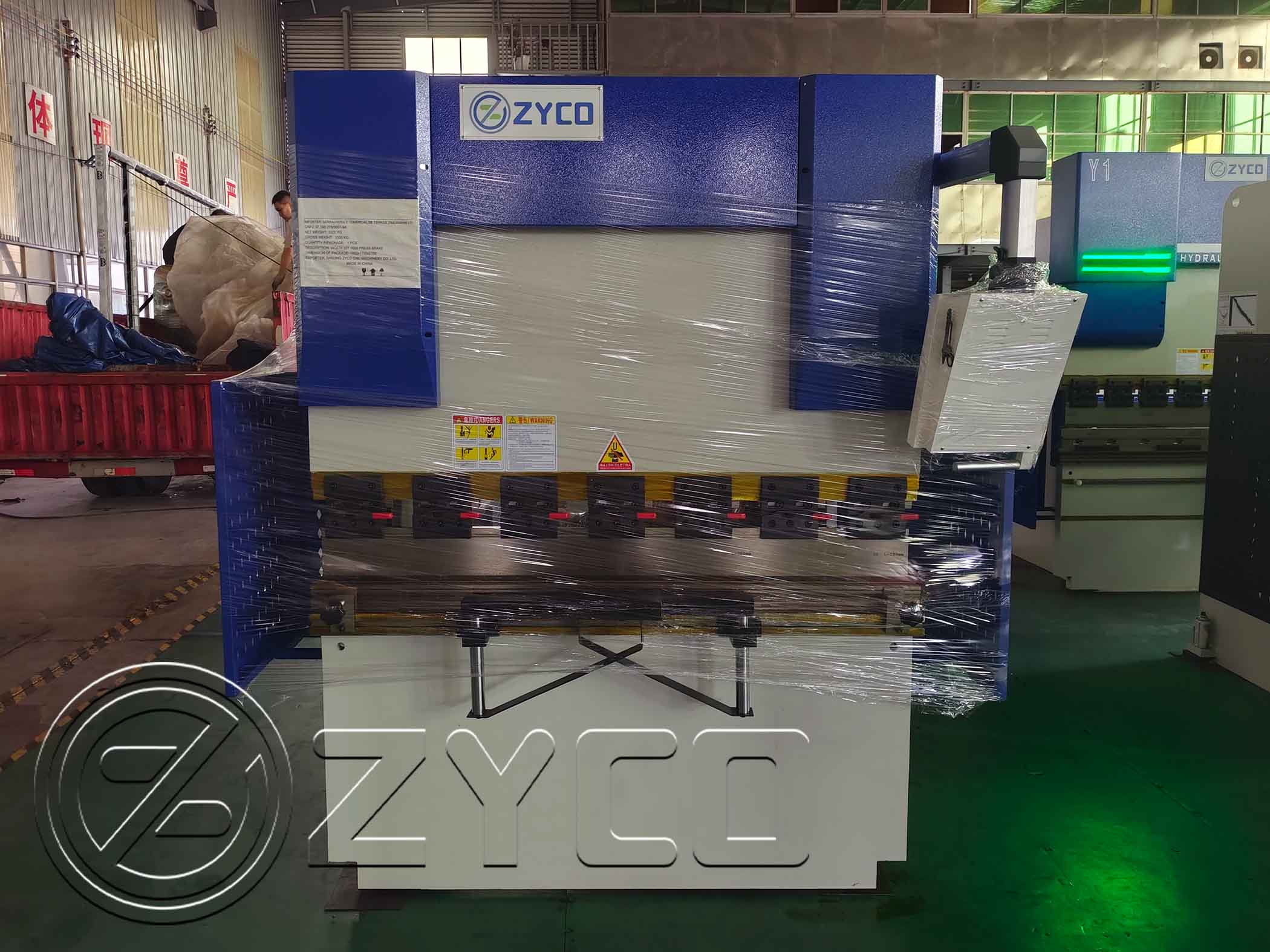
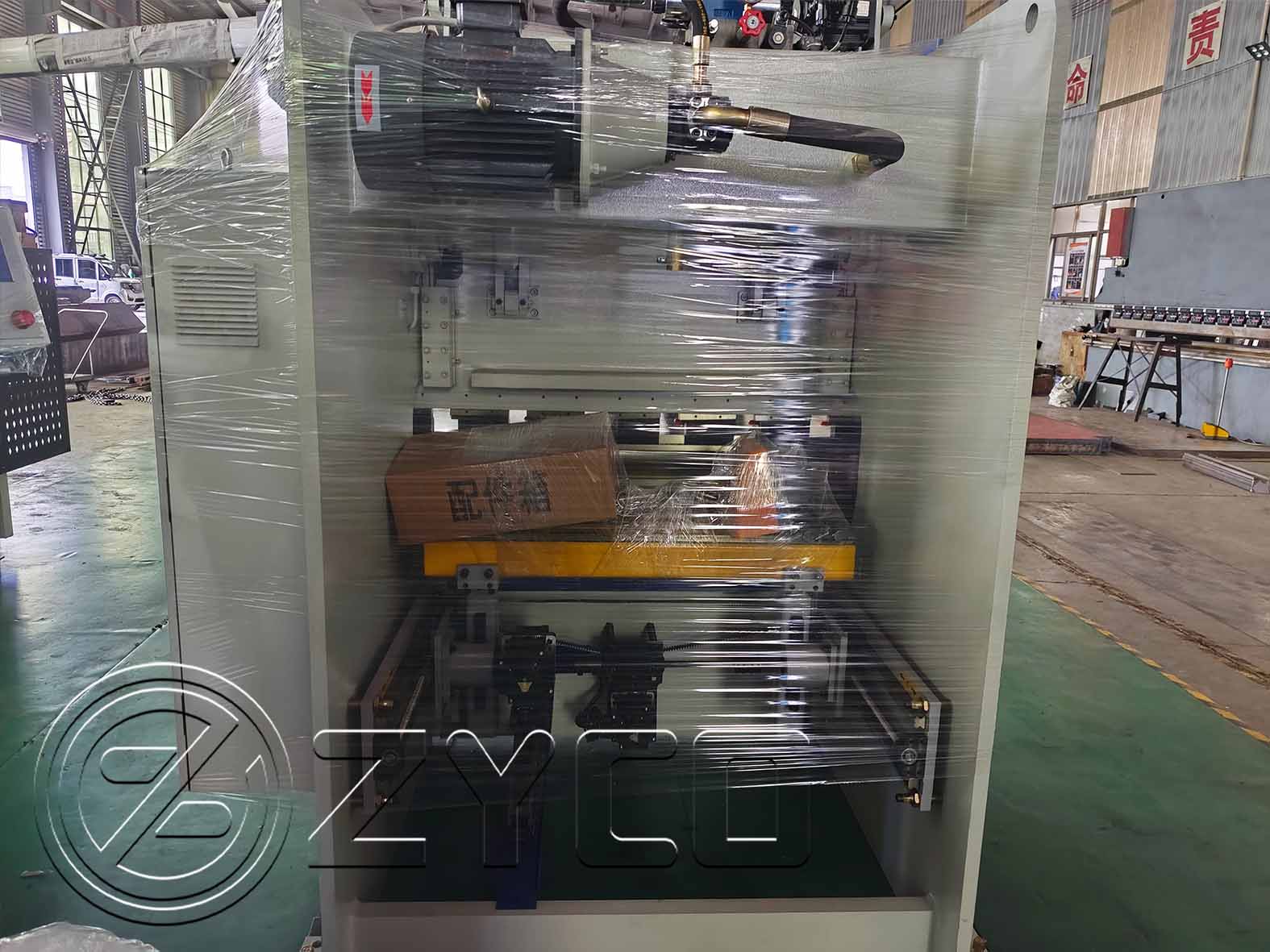
1) Wrap the machine with transparent plastic film and place desiccant in the electrical cabinet to prevent moisture and dust during sea transportation;

DE68T electro-hydraulic CNC bending machine


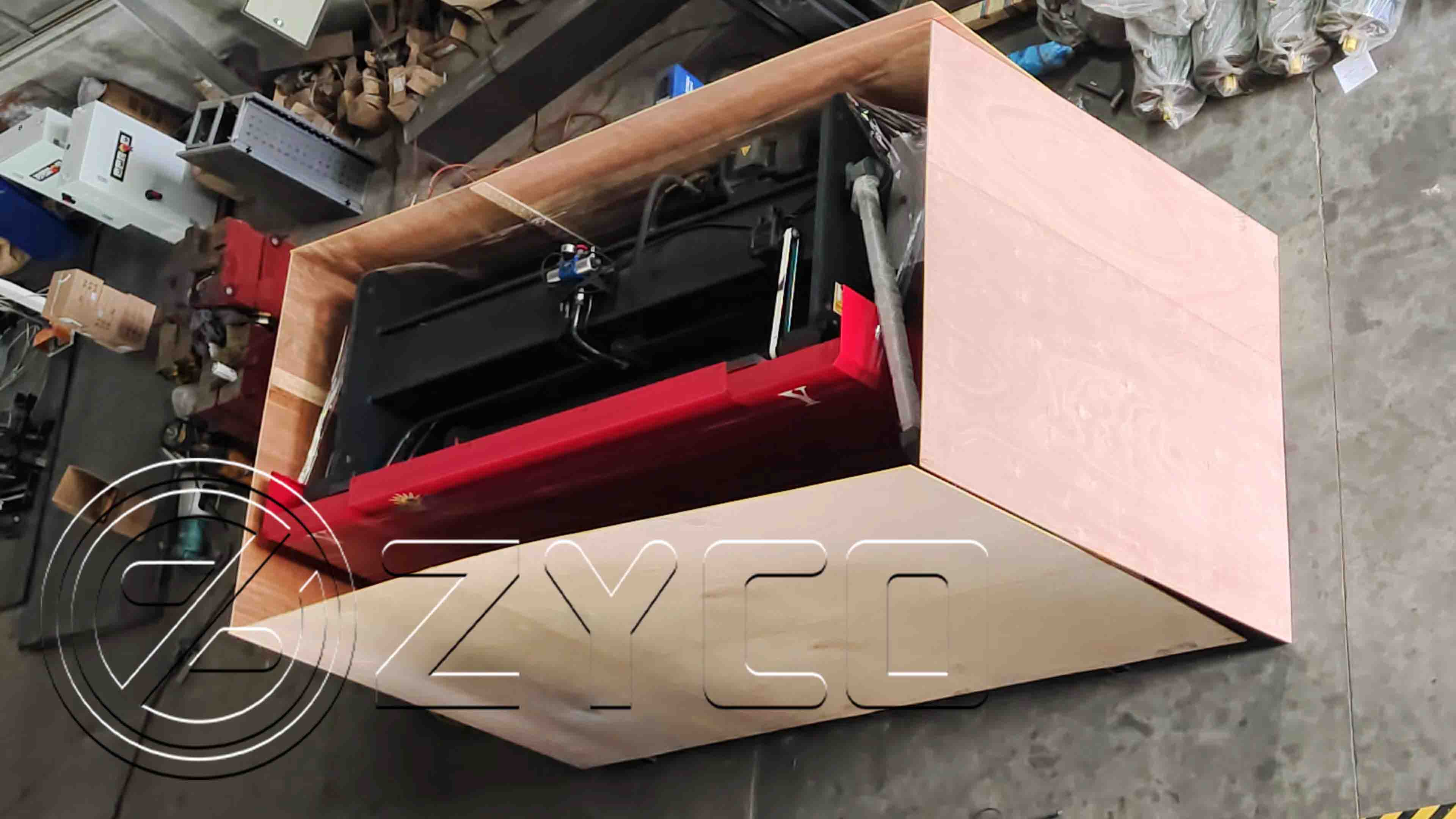
2) Customize wooden boxes for the machines to ensure they are reliably protected during long-distance transportation;

4 Axis aluminum profile bending machine


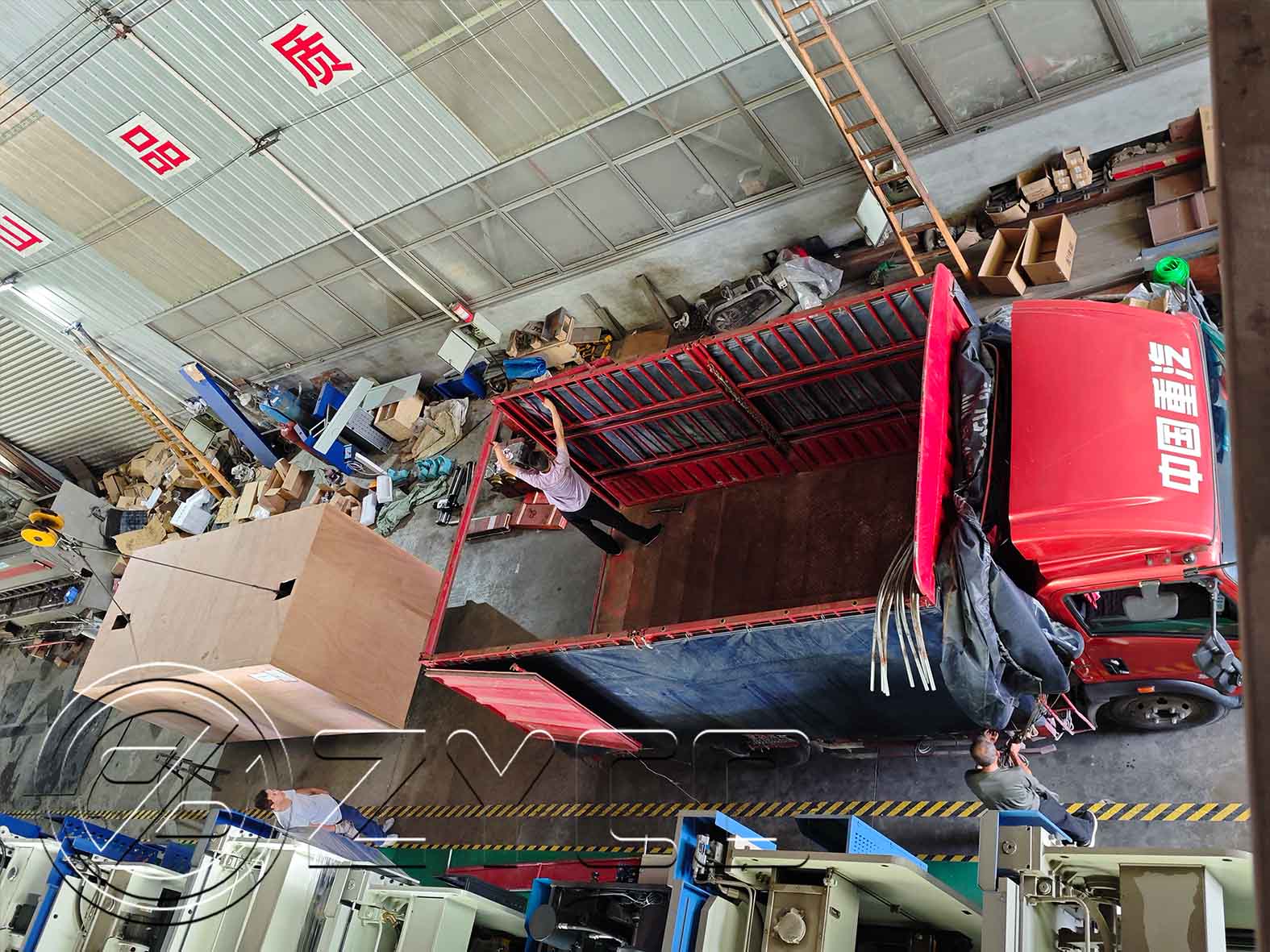
3) Carefully load the wooden boxes onto the truck using a crane;

Copper plate pure electric press brake


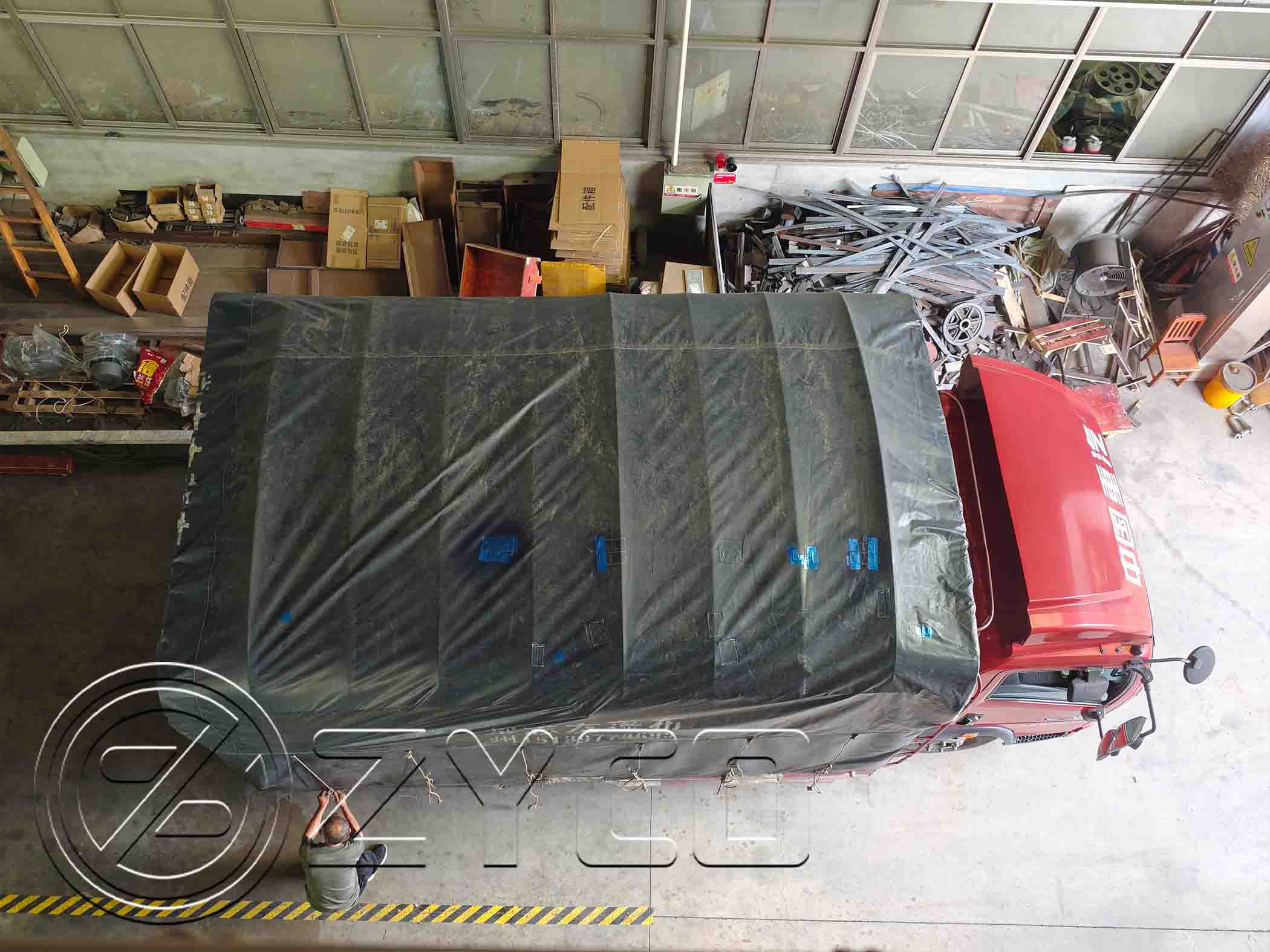
4) Cover with rainproof cloth, prevent rain during transportation;

40-600t CNC bending machine


5) The truck will deliver the wooden boxes to the warehouse designated by the freight forwarder, and the freight forwarder will arrange for the LCL shipment.


This can not only reduce the customer's transportation costs, but also ensure that the machine is not damaged during transportation.


2. FCL

When customers order multiple sheet metal processing equipment, or when a single piece of equipment is large, we will use full container shipping.

The full container load shipping process is more rigorous:


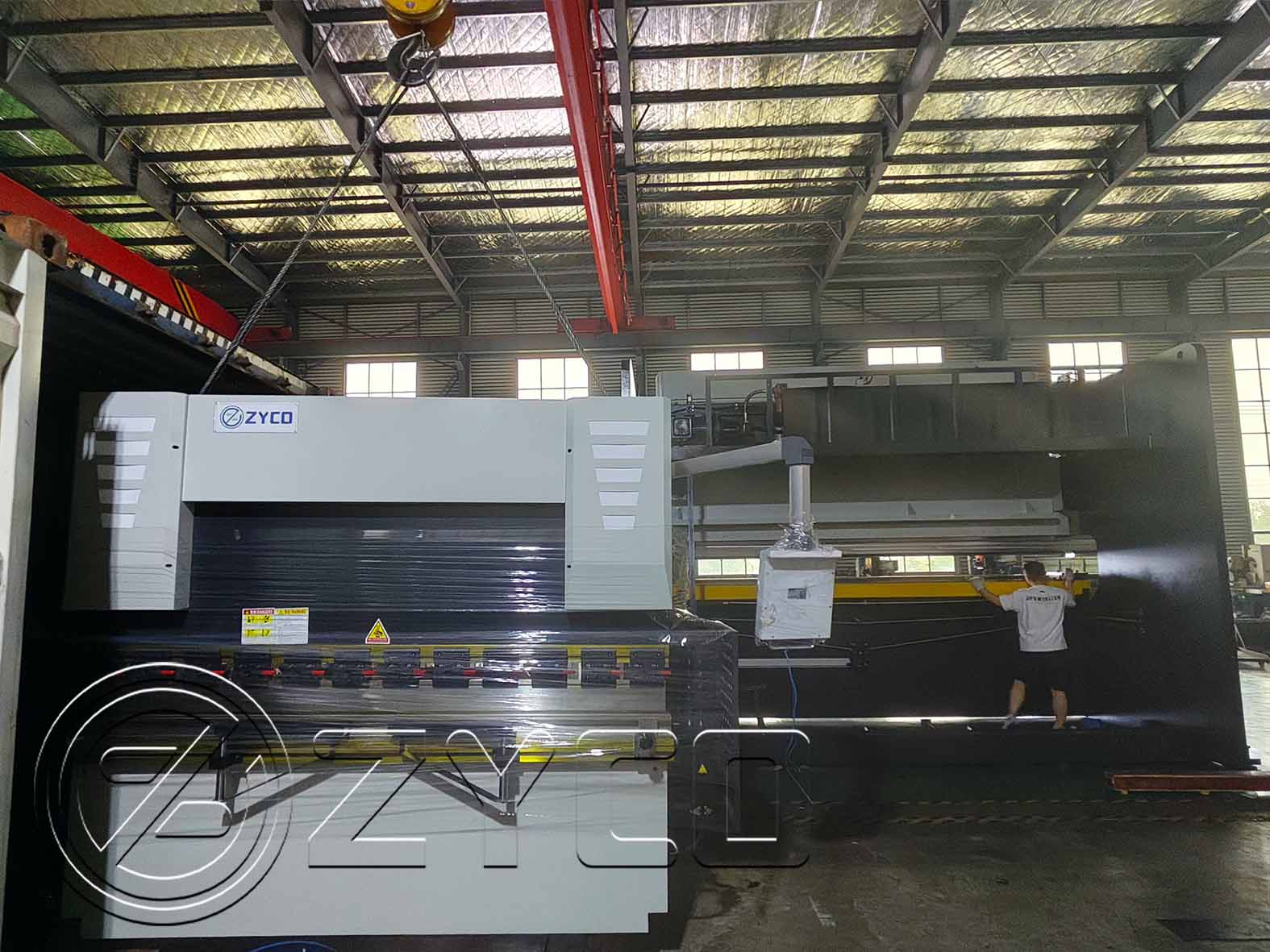
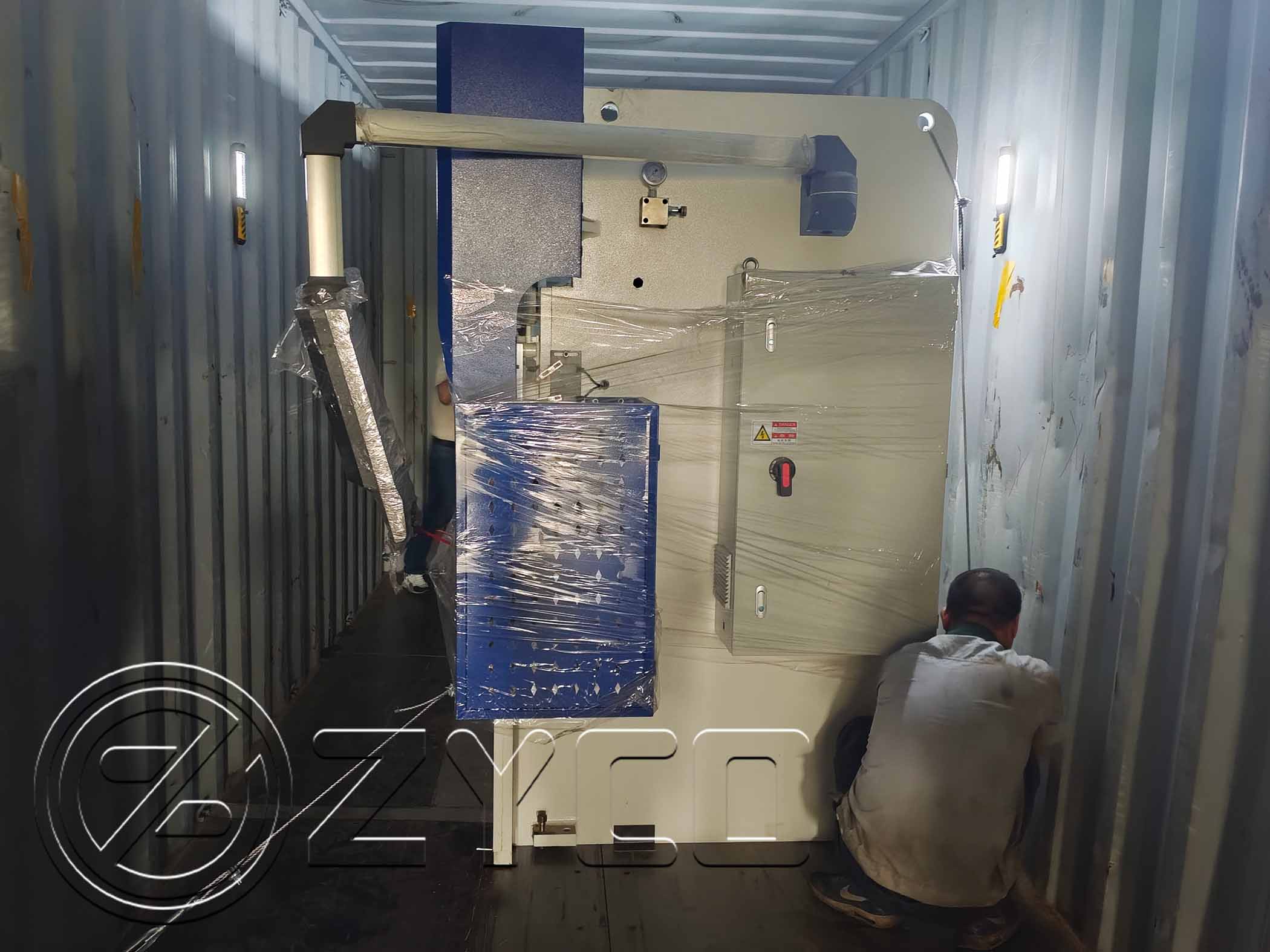
1) Wrap the machine with transparent plastic film and place desiccant in the electrical cabinet to prevent moisture and dust during sea transportation;

Hydraulic CNC Press Brake Machines


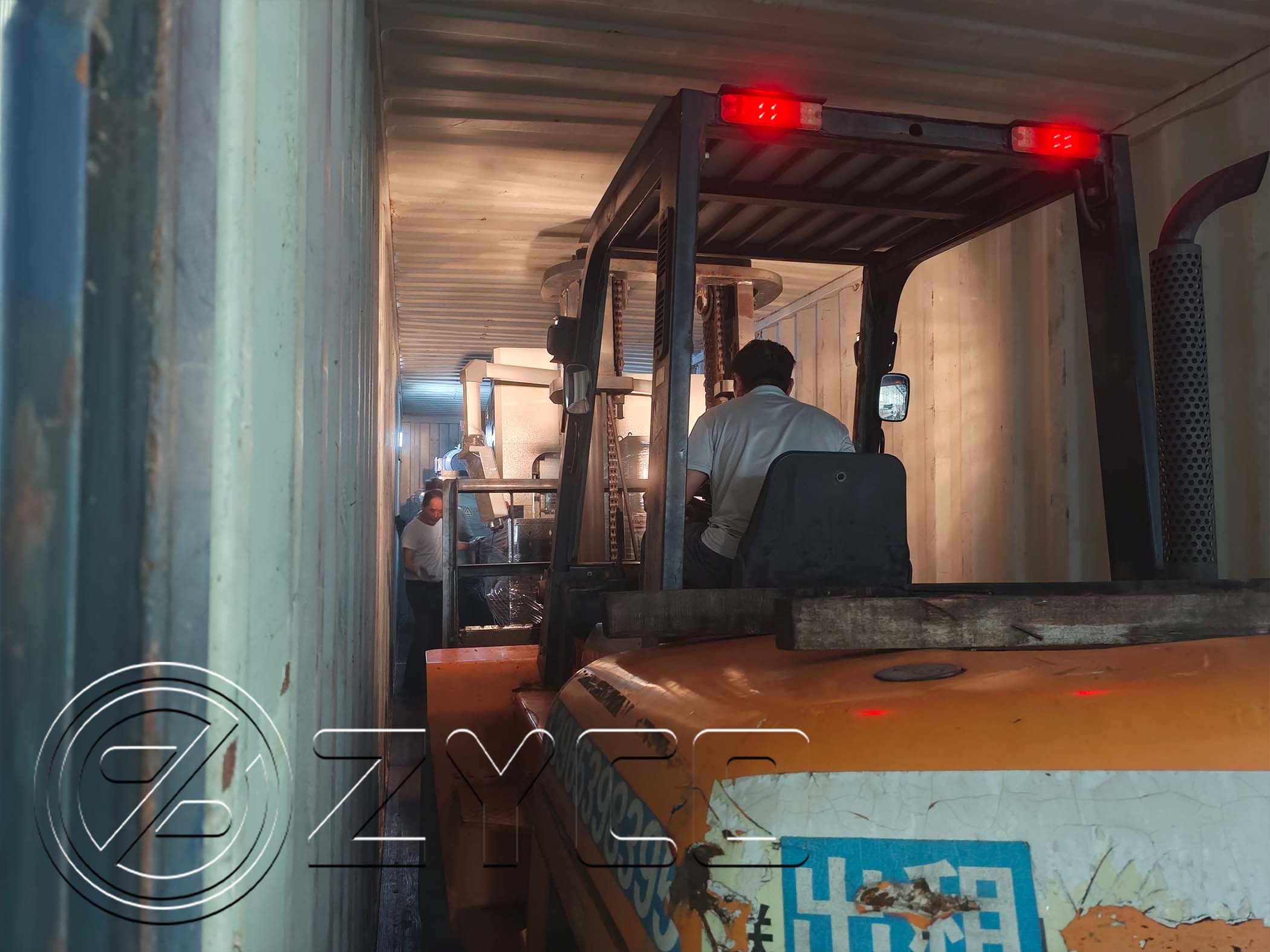
2) Operate the crane to lift the machine smoothly to the loading area, and assist the forklift to accurately place the front end of the equipment at the container door;

rolling bending machine


3) The forklift operator skillfully pushes the machine from the container door into the interior and places it in the appropriate position according to the pre-calculated plan to ensure maximum space utilization;

sheet metal rolling machine


4) Workers attach angle irons to the machine and tie the wire ropes tightly to ensure that the machine will not move or tilt during transportation;

6 axis stainless steel bending machine


5) Close the cabinet door and lead seal it to ensure that no one else has opened it before the customer receives the machine;

Precision sheet metal bending machine


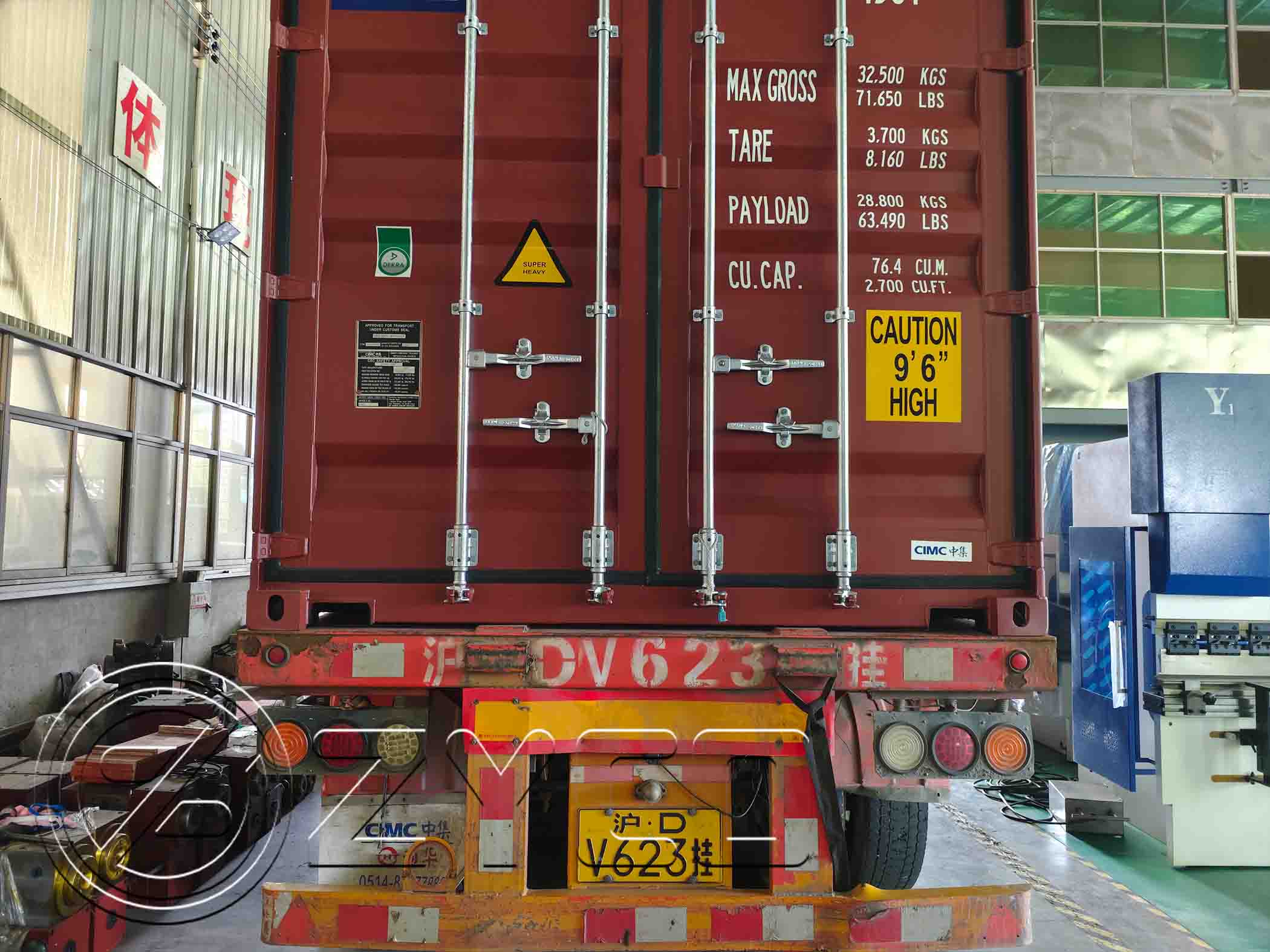
6) The truck will deliver the container to Shanghai Port, where the port will arrange for loading onto the ship and shipping by sea.


 This type of packaging and fixing method is particularly suitable for sheet metal processing equipment with heavy weight and large volume.


3. ZYCO Shipping Video


Summary

Whether it's LCL or FCL, we always prioritize the safe transportation of our machines. From packaging and loading to securing, we strictly control every step, ensuring that our customers receive their machines in perfect condition as soon as possible.


...

Life is not easy for any of us. We must work,and above all we must believe in ourselves .

We will uphold the enterprise spirit of "customer first, pursuit of excellence", adhere to quality first and management and technological innovation, and shoulder the historical responsibility of "new ideas, new opportunities, new challenges" given to us by the times. We have accumulated a lot of resources and worked hard to meet new challenges and develop Xintiandi into a star enterprise with sustainable development and excellent

...

Started in China's Electric Motor Capital, Serving the Global Industrial Landscape

Started in China's Electric Motor Capital, Serving the Global Industrial Landscape

In November 2015, JOVAS ELECTRICAL MACHINERY CO., LTD was developed in Fuan City, Fujian Province, China, a world-renowned motor manufacturing cluster.With 20,000 square meters of intelligent production base and an average annual production capacity of 300,000 motors, we have achieved outstanding results with an annual sales volume of 100 million yuan(PRC), and delivered precision motors "Made in Fu'an" to more than 20 countries in America, Europe, Asia, etc., to provide the core power support for the mining, shipbuilding, intelligent manufacturing, new energy and other fields.We have been providing core power support for mines, ships, intelligent manufacturing, new energy and other fields.

"Motor should not just be a transmission component, but the nerve endings of intelligent production" - this is the core concept of our R&D center.Build a value network with German standard + Chinese efficiency."From Fu'an workshop to the world's factory" - this is the growth trajectory of JOVAS, and also epitomizes the participation of China's smart manufacturing in the restructuring of the global value chain.Jovas always keeps the same pace with the progress of the times.


Jovas focuses on cast iron motors and aluminum motors.

The advantages of aluminum motors include lightweight, efficient heat dissipation, energy saving or frequent movement scenarios, suitable for such as new energy vehicles, portable equipment.

Recommended products include MS(IE1) Three Phase Aluminium Housing MotorMS2(IE2) Three Phase Aluminium Housing Motor、MS3(IE3) Three Phase Aluminium Housing Motor etc.


Cast iron motors are suitable for heavy duty industrial scenarios (e.g. water pumps, mining machinery) where budget is limited and high strength and long life are required.Recommended products are Y2 Three Phase Cast Iron Motor、YE2(IE2) Three Phase Cast Iron Motor、YE3(IE3)Three Phase Cast Iron Motor etc.

Join the JOVAS-driven future

Whatever you need:

✅ Energy-saving upgrade program to replace traditional motors

✅ Customized special motors for extreme environments

✅ Servo system integration for automated production lines


...

The Essential Differences IE2 vs IE3 vs IE4 Motor Efficiency Classes

Electric motor efficiency classifications – IE2, IE3, IE4 – form the global standard (IEC 60034-30-1) defining energy performance. IE2 represents 'High Efficiency', once the baseline but now largely superseded. IE3, designated 'Premium Efficiency', mandates significantly lower energy losses, typically 20% less than IE2. This reduction translates directly into substantial operational cost savings over the motor's lifespan. Reaching IE3 often involves improved materials like higher-grade copper windings, optimized stator and rotor designs, and reduced fan losses.


IE4, 'Super Premium Efficiency', pushes boundaries further, demanding losses roughly 15% lower than IE3. Achieving this ultra-high efficiency necessitates advanced technologies: permanent magnet (PM) synchronous motors (often using rare-earth magnets) or exceptionally refined induction motor designs with minimized electromagnetic and mechanical losses. IE4 motors represent the current efficiency pinnacle for most industrial applications, offering the lowest lifecycle energy consumption but commanding a higher initial purchase price.


The core differences lie in permitted energy losses and required technology. IE3 mandates a clear efficiency jump over IE2 through enhanced conventional design. IE4 demands another substantial leap, frequently relying on fundamentally different motor topologies like PM technology. Regulations drive adoption: major markets like the EU and US now enforce IE3 as the minimum, with IE4 increasingly targeted for new installations seeking maximum savings. The higher upfront cost of IE4 motors often yields a rapid payback (1-3 years) in continuously operated applications due to drastic energy expense reduction. IE5 (Ultra Premium Efficiency) looms as the next frontier.


...

Why After-Sales Service is Your Most Critical Motor Purchase Factor


Choosing an industrial motor goes far beyond comparing price and specifications on a datasheet. The true value of your investment is revealed after the sale, making after-sales service not a luxury, but an absolute necessity. Industrial motors are the workhorses of your operation; their failure paralyzes production lines, creates costly downtime, and jeopardizes deadlines. The price of the motor itself is often insignificant compared to the staggering losses incurred from hours of inactivity.


This is where robust after-sales service becomes your strongest defense. Immediate access to expert technical support can mean the difference between a five-minute phone fix and a five-day production halt. Quick access to genuine spare parts and certified repair services ensures a rapid return to operation, preserving your bottom line. A strong service partner provides more than just repairs—they offer proactive guidance, preventive maintenance support, and long-term reliability, transforming a simple transaction into a strategic partnership for operational resilience. Ultimately, you are not just buying a motor; you are buying the assurance of continuous uptime.

...

Why Choose Single Phase NEMA Motors for Rugged Workplaces in 2025

Single Phase NEMA Motor

Single phase NEMA motors stand out as the leading solution for rugged workplaces in 2025. These motors offer unmatched reliability, durability, and efficiency, meeting strict NEMA standards for industrial performance. JOVAS Electric Motors, recognized among High-Efficiency Electric Motors Manufacturers, designs each single phase single phase nema motor with a heavy-duty steel frame and advanced capacitor start for high starting torque. The robust construction, IP44 protection, and low maintenance needs make these motors ideal for demanding environments. Consistent performance and compliance with efficiency regulations position the Nema Standard Motor and Induction Motor series as the smart choice for modern industries.


Key Takeaways

  • Single phase NEMA motors offer strong durability and high starting torque, making them ideal for tough industrial and commercial environments.

  • These motors use advanced designs like capacitor start and heavy steel frames to ensure reliable operation in dusty, wet, or harsh conditions.

  • NEMA premium efficiency standards help reduce energy use and lower costs, while supporting long motor life and stable performance.

  • Choosing the right motor size, enclosure type, and features like thermal overload protection improves efficiency and reduces maintenance needs.

  • JOVAS provides expert support and a wide range of motors that meet strict standards, helping users find the best fit for their rugged workplace needs.


Single Phase NEMA Motor Overview

Heavy Duty NEMA Motor

Features

Single phase NEMA motors operate by applying a single alternating voltage to the stator winding. This process creates a rotating magnetic field at line frequency. To start the motor, a secondary coil with a capacitor generates a phase shift, which ensures the rotor turns in the correct direction. After startup, a centrifugal switch disconnects the starting circuit. These motors suit environments where a single-phase power supply is available.

JOVAS ELECTRICAL MACHINERY CO., LTD’s single phase single phase nema motor stands out due to its advanced engineering and robust construction. The heavy gauge steel frame and base provide exceptional strength. The capacitor start design delivers high starting torque, which is essential for heavy-duty machinery. Ball bearings guarantee smooth operation and long service life. The motor meets NEMA standards for universal design, including standardized dimensions and mounting options. Environmental adaptability allows operation in damp, dusty, or dirty conditions. The product line includes multiple frame sizes and housing options, such as aluminum and cast iron, to enhance durability and performance.

Tip: Choosing a single-phase ac motor with a 1.15 service factor helps tolerate temporary overloads, increasing reliability in demanding workplaces.


NEMA Class

Key Characteristics

Typical Industrial/Commercial Uses

Class A

High breakdown torque, slip < 5%

Steady load industrial applications

Class B

General-purpose, slip 3-5% or less

Fans, pumps, blowers

Class C

High starting torque, normal current, low slip

Conveyors, compressors, heavy-duty machinery

Class D

Very high starting torque, high slip

Elevators, hoists, punch presses

Class E

High efficiency, low starting torque

Motor-generator sets, industrial blowers


Applications

Single phase single phase nema motor models from JOVAS ELECTRICAL MACHINERY CO., LTD serve a wide range of uses. These electric motors power compressors, pumps, fans, conveyors, and blowers. They perform reliably in environments with moisture, dust, or dirt. Industrial facilities use these motors for machinery that requires high starting torque and rugged reliability. Commercial buildings rely on single-phase ac motor units for ventilation and water systems. Residential settings benefit from their efficiency and low maintenance needs.

NEMA classifications help users select the right electric motors for specific tasks. The variety of single-phase ac motor designs, including capacitor start and asynchronous types, ensures compatibility with different operational requirements. Heavy-duty options meet the demands of challenging industrial applications. The efficiency of these motors supports energy-saving goals and reduces operational costs.

  • Single-phase motors receive one voltage waveform and include types such as shaded pole, permanent split capacitor, split phase, capacitor start/induction run, and capacitor start/capacitor run.

  • NEMA standards define frame sizes, horsepower ratings, service factors, and performance characteristics.

  • JOVAS ELECTRICAL MACHINERY CO., LTD offers motors designed for general purpose use in compressors, pumps, fans, conveyors, and blowers.


Benefits: 


Reliability

NEMA single phase motors deliver outstanding reliability in rugged workplaces. Manufacturers design these motors with robust insulation systems, such as Class B and Class F, which allow higher operating temperatures and extend insulation life to over 20,000 hours. This design ensures continuous operation even in harsh conditions. JOVAS ELECTRICAL MACHINERY CO., LTD includes ball bearings and overload protection in their motors. These features help the motors operate smoothly and safely, even when exposed to demanding environments. Thermal overload protection shuts down the motor if it overheats, preventing damage and supporting long-term reliability. The motors maintain stable performance in high ambient temperatures, at altitude, or in areas with contamination. These qualities make NEMA motors a trusted choice for continuous operation in industrial settings.


Durability

Durability stands as a core advantage of NEMA motors. Heavy gauge steel frames and bases provide exceptional strength, allowing the motors to withstand physical impacts and vibration. The average lifespan of single phase NEMA motors in industrial settings ranges from 5 to 9 years for capacitor-start types, with some smaller models lasting up to 12 years. This long service life results from high-quality materials and careful engineering. Ball bearings, sealed for life, reduce the need for frequent lubrication and protect against moisture. The motors also feature enclosures that shield internal components from dust, dirt, and water. For example, totally enclosed water to air cooled (TEWAC) enclosures offer the highest protection, making these motors ideal for damp, dusty, or dirty environments. This rugged construction ensures that NEMA motors continue to perform where other motors might fail.


Efficiency

Efficiency plays a vital role in the performance of NEMA motors. JOVAS ELECTRICAL MACHINERY CO., LTD designs its motors to meet or exceed premium efficiency standards. These motors use optimized winding and capacitor configurations to achieve high efficiency and low starting current. The result is reduced energy consumption and lower operational costs. Premium efficiency motors also operate with less heat and vibration, which further extends their lifespan. Energy savings become significant over time, especially in continuous-use applications. The motors support energy efficiency goals in modern workplaces, helping companies meet regulatory requirements and reduce their environmental impact. High efficiency and motor efficiency combine to deliver both performance and cost benefits.

Note: Energy efficient motors not only lower electricity bills but also contribute to a greener workplace by reducing overall energy consumption.


Feature

Benefit

Premium efficiency

Lower energy use and operational costs

Motor efficiency

Less heat, longer life, and stable output

Energy savings

Reduced utility expenses and environmental impact


Low Maintenance

Low maintenance requirements set NEMA motors apart in demanding environments. The use of double-sealed ball bearings, which are lubricated for life, minimizes the need for regular servicing. Overload protection devices, such as manual reset thermal protectors, ensure that the motors shut down safely during extreme conditions. This reduces the risk of costly repairs and downtime. The simple structure of these motors, combined with robust construction, means fewer parts are likely to fail. Operators can rely on these motors for continuous operation with minimal intervention. The motors’ ability to perform in harsh conditions, including exposure to dust, moisture, and contaminants, further reduces maintenance needs. This reliability translates into long-term savings and uninterrupted productivity.

  • Key maintenance advantages:

    • Lubed-for-life ball bearings

    • Overload protection for safe shutdown

    • Enclosures designed for harsh environments

    • Fewer moving parts, reducing wear and tear

Tip: Choosing NEMA motors with the right enclosure type ensures optimal performance and minimal maintenance in any workplace condition.


NEMA Premium Efficiency and Compliance:


Standards

NEMA premium efficiency standards set the benchmark for motor performance in 2025. These standards, including the latest ANSI/NEMA 10011:2024, use advanced testing methods that measure the efficiency of motors and their drive systems together. This approach gives a more accurate picture of real-world performance. The standards encourage manufacturers to design motors that deliver high efficiency under actual working conditions, not just in laboratory tests. By focusing on motor-drive combinations, the standards help users select motors that match their application needs and maximize energy savings.

The 2025 NEMA premium efficiency requirements push for higher efficiency levels, such as IE4 and IE5. These levels often require new technologies, like permanent magnet motors, which maintain efficiency across different loads. The standards also expand the range of motors that must comply, covering nearly all single-speed induction motors from 1 to 500 horsepower. This broad scope ensures that more workplaces benefit from energy savings and reduced operational costs. The coalition behind these standards projects up to 50 Quadrillion BTUs in energy savings by 2050, with $20 billion in consumer savings already achieved between 2022 and 2025.

Note: Enhanced NEMA premium efficiency standards make it easier for users to identify motors that offer the best energy efficiency and long-term savings.


Performance

JOVAS ELECTRICAL MACHINERY CO., LTD’s single phase NEMA motors meet or exceed NEMA premium efficiency standards. These motors comply with all key NEMA requirements for power, speed, and efficiency. The NEMA Premium® standard motors from JOVAS deliver high efficiency and reliability in a wide range of applications. Their design ensures stable operation in harsh environments, aligning with NEMA’s protection and operational guidelines.

  • JOVAS motors achieve premium efficiency by using optimized windings and advanced capacitor start designs.

  • The motors support energy efficiency goals, helping users reduce electricity costs and environmental impact.

  • Each motor is built to deliver consistent performance, even in demanding conditions.

  • The NEMA premium efficiency label on JOVAS motors assures users that these products meet or surpass the latest efficiency benchmarks.

  • Many JOVAS models reach above NEMA premium levels, offering even greater energy savings and operational benefits.

A focus on premium efficiency means that JOVAS motors help businesses achieve both immediate and long-term savings. Their commitment to enhanced NEMA premium standards ensures that every motor delivers reliable, high efficiency performance. Users can trust JOVAS motors to provide energy savings, durability, and compliance with all current and future regulations.


Feature

Benefit

NEMA premium efficiency rating

Lower energy use and cost savings

High efficiency design

Consistent performance and reliability

Above NEMA premium models

Maximum energy savings and compliance

Enhanced NEMA premium label

Easy identification of top efficiency


Applications in Rugged Workplaces

NEMA Standard Motor


Industrial Use

Single phase nema motors play a vital role in many industrial settings. Companies rely on these motors to power compressors, pumps, fans, conveyors, and blowers. Market analysis shows that asynchronous motors dominate these sectors, driven by the need for energy efficiency and reliable operation. Industrial automation continues to increase demand for these motors. Manufacturers design nema motors to handle harsh conditions, such as dust, moisture, and vibration. Heavy-duty construction and high starting torque allow them to start and run large machinery with ease. The introduction of high-capacity models, like ABB’s AMI 5800 NEMA modular induction motor, highlights the focus on delivering robust performance for demanding applications. These motors support continuous operation, which is essential for production lines and processing plants. Their consistent performance and compliance with efficiency standards make them a preferred choice for rugged workplaces.

Note: Selecting the right nema motor ensures reliable operation and reduces downtime in industrial environments.


Household Appliances

Nema motors also show remarkable versatility in household and commercial appliances. They operate on single-phase power, making them suitable for residential and light commercial use. Their compact size and simple construction fit well in limited spaces. Many household appliances, such as refrigerators, air conditioners, washing machines, and small pumps, use these motors. The motors provide quiet operation and low vibration, which is important for comfort in household settings. Manufacturers offer a range of power ratings, from 1/6 to 10 Hp, to match different appliance needs. Modern designs achieve high efficiency, helping reduce energy costs and environmental impact. Nema standards ensure compatibility and reliability across various appliances. The motors’ easy installation and off-the-shelf availability make them a practical choice for both new appliances and replacements.

  • Common household appliances using nema motors:

    • Refrigerators

    • Air conditioners

    • Washing machines

    • Small pumps and fans

Tip: Matching the motor’s specifications to the appliance ensures optimal performance and long service life.


Choosing the Right Motor:


Selection Tips

Selecting the right nema motor for a rugged workplace requires careful evaluation of several factors. Industry experts recommend starting with an assessment of the operating environment. Users should consider ambient temperature, moisture, dust, and contaminants. For example, open drip-proof (ODP) motors work well in clean, dry spaces, while totally enclosed fan-cooled (TEFC) or totally enclosed blower-cooled (TEBC) designs offer better protection in wet or dirty conditions.

A step-by-step approach helps ensure optimal performance and efficiency:

  1. Assess the environment and select the appropriate motor construction type.

  2. Confirm the available power supply and choose a single-phase or three-phase motor as needed.

  3. Match the application with the correct nema motor type. ODP motors suit fans and pumps in clean areas, while TEFC or TEBC models excel in harsh environments.

  4. Determine the correct motor size to prevent overheating and power loss.

  5. Select features such as thermal overload protection and control options tailored to the system.

  6. Follow installation guidelines, including proper mounting, wiring, and grounding.

  7. Test and commission the motor to verify functionality.

  8. Maintain documentation for future troubleshooting.

  9. Schedule routine inspections to ensure ongoing efficiency and reliability.

Tip: Choosing the right enclosure type and motor size can significantly improve both efficiency and lifespan in demanding workplaces.


Support

JOVAS ELECTRICAL MACHINERY CO., LTD provides comprehensive support for customers selecting and operating single phase nema motors. Customers can reach out through multiple channels, including phone, email, WhatsApp, and live chat. The company offers technical assistance and product information to help users make informed decisions. Quick access to support ensures that any questions about installation, operation, or maintenance receive prompt attention. This level of service helps users maximize efficiency and reliability in their applications.


...

Avoid Downtime, Cut Costs Smart Maintenance for Smarter Chillers

Screw water-cooled chillers typically operate around 3,000 hours per year, depending on China's climate and geographical conditions. Regular and scientific maintenance is crucial to ensure long-term, reliable operation, extend the lifespan, and reduce operating costs.

Hstars Screw refrigeration unit

Maintenance and Upkeep
Preventive maintenance during operation and inspection involves creating annual and monthly maintenance plans based on actual operating conditions.

Shutdown Procedures
In winter, clean and dry the unit. Open the drain valve to empty the shell-and-tube heat exchanger to avoid freezing. The shutdown sequence is: chiller off - cooling tower fan off - cooling water pump off - chilled water pump off. Special attention to anti-freezing:

1. Drain the evaporator and condenser if the unit is outdoors below 0°C during standby.
2. Interlock the water flow switch with the unit to prevent freezing when the chilled water flow switch malfunctions.
3. Ensure water in the evaporator is flowing or completely drained when charging or discharging refrigerant.


Concentration %

Freezing temperature ()

Concentration %

Freezing temperature ()

Concentration %

Freezing temperature ()

4.6

-2

19.8

-10

35

-21

8.4

-4

23.6

-13

38.8

-26

12.2

-5

27.4

-15

42.6

-29

16

-7

31.2

-17

46.4

-33


The concentration of ethylene glycol is a mass concentration.

Maintenance fault handling Smarter Chillers

Startup Procedures
After a long shutdown, prepare by thoroughly checking and cleaning the Screw refrigeration unit, cleaning the water pipeline system, inspecting the pump, tightening wiring connections, and preheating the compressor. The startup sequence is: cooling tower fan on - cooling water pump on - chilled water pump on - chiller on.


Refrigerant compressor water system Chiller


Common Fault Analysis and Troubleshooting

Fault

Possible Causes

Detection and Troubleshooting Methods

Excessive discharge pressure

Air or non-condensable gases in the system

Bleed gases via the refrigerant port and re-evacuate if needed

Cooling tower fan malfunction

Inspect and repair the fan to restore operation

Excessive suction pressure

See "Excessive suction pressure"

High ambient temperature

Insufficient cooling water flow

Check the cooling water system and increase the water flow.

Low compressor oil level

Check the oil level through the sight glass and add refrigeration oil

Low discharge pressure

Low suction pressure

See "Low suction pressure"

Refrigerant leakage or insufficient charge

Detect leaks and recharge refrigerant

Cooling water temperature too low

Check if the cooling tower capacity is excessively large or if the ambient temperature is too low

Excessive suction pressure

Discharge pressure too high

See "Discharge pressure too high"

Excessive refrigerant charge

Release part of the refrigerant

Liquid refrigerant flowing from the evaporator into the compressor

Chilled water inlet temperature exceeds maximum allowable value

Check and adjust the expansion valve, ensuring its temperature-sensing bulb is in tight contact with the suction pipe and fully insulated from the outside

Low suction pressure

Clogged filter drier

Replace the filter drier cartridge

Expansion valve improperly adjusted or malfunctioning

Adjust to the appropriate superheat temperature, or check if the expansion valve's temperature-sensing bulb is leaking

Insufficient refrigerant in the system

Detect leaks and recharge refrigerant

Chilled water inlet temperature significantly lower than specified value

Insufficient chilled water flow

Check if the pressure in the evaporator's inlet and outlet pipelines is too low, and adjust the chilled water flow rate

Compressor shutdown due to high-pressure protection

Cooling water temperature too high

Cooling tower fan malfunction

Overhaul the cooling tower fan

Incorrect high-pressure shutdown setting

Check the high-pressure switch

Compressor shutdown due to motor overload

Voltage too high or too low

Check that the voltage does not exceed or fall below the rated voltage by ±10%

Discharge pressure too high

Refer to "Discharge pressure too high"

Cooling water temperature too high

Check if the cooling tower capacity is too small

Overload component malfunction

Check the compressor current and compare it with the rated full-load current specified on the compressor

Motor or terminal short circuit

Check the corresponding resistance of the motor and terminals

Compressor shutdown due to built-in temperature protection switch activation

Voltage too high or too low

Check the voltage; it must not exceed the specified range mentioned above

Discharge pressure too high

See "Discharge pressure too high"

Chilled water inlet temperature too high

Compressor built-in temperature protection switch failure

Replace the component

Insufficient refrigerant in the system

Check for fluorine leakage

The compressor shuts down due to low-pressure protection

Drier filter blockage

Replace the drier filter element

Expansion valve failure

Adjust or replace the expansion valve

Incorrect low-pressure shutdown setting

Check the low-pressure switch

Insufficient refrigerant

Recharge the refrigerant

Loud compressor noise

Insufficient compressor refrigerating oil

Check the oil level in the sight glass and add refrigerating oil

The compressor fails to start

Overcurrent relay trips and fuse burns out

Replace the damaged components

Control circuit not connected

Check the wiring of the control system

No current

Check the power supply

High-pressure protection or low-pressure protection

See the section on suction and discharge pressure faults above

Contactor coil burned out

Replace the damaged component

Incorrect power phase sequence connection

Reconnect and swap any two wires

Water system failure, water flow switch open circuit

Check the water system

The operation display shows an alarm signal

Check the alarm type and take corresponding measures

Incorrect setting of start-stop time

Check and reset the settings

Temperature sensor detects temperature exceeding set value

Check and reset

...

From DX to Liquid Cooling The Race to a Greener Data Center

Data centers rely on diverse cooling methods, categorized into mechanical refrigeration and natural cooling. Mechanical systems include air-cooled direct expansion (DX), air-cooled chilled water, water-cooled chilled water, and centralized cooling water systems. Natural cooling encompasses fresh air, plate heat exchange, rotary heat exchange, evaporative cooling, and liquid cooling.

Data center cooling

Air-cooled DX Systems are traditional, with indoor units (compressor, evaporator) connected to outdoor condensers via refrigerant lines. Their simple design ensures reliability (no single point of failure). With fluoride pump energy saving (activating below 5°C), PUE in Zhejiang drops from ~1.71 to ~1.43.

Water-cooled Chilled Water Systems use centrifugal chillers and cooling towers, ideal for high heat loads. Winter free cooling via heat exchangers boosts efficiency (PUE ~1.43 in Zhejiang) but requires complex maintenance.


mechanical refrigeration natural cooling


Air-cooled Chilled Water Systems skip cooling towers, suiting moderate loads. They use air-cooled chillers and offer winter natural cooling, with a typical PUE of ~1.48 in Northeast China.

Liquid Cooling directly targets high-density servers, using water, mineral oil, or fluorinated fluids. Immersion cooling (e.g., fluorinated fluids) excels in efficiency, avoiding traditional HVAC limitations.


liquid cooling energy efficiency PUE optimization


Natural Cooling Technologies like fresh air (clean areas), plate exchangers (polluted environments), and evaporative cooling (dry climates) cut PUE by leveraging outdoor cold air, extending energy-saving periods.

Hstars liquid cooling energy efficiency PUE optimization

...