current location : home

From DX to Liquid Cooling The Race to a Greener Data Center

Data centers rely on diverse cooling methods, categorized into mechanical refrigeration and natural cooling. Mechanical systems include air-cooled direct expansion (DX), air-cooled chilled water, water-cooled chilled water, and centralized cooling water systems. Natural cooling encompasses fresh air, plate heat exchange, rotary heat exchange, evaporative cooling, and liquid cooling.

Data center cooling

Air-cooled DX Systems are traditional, with indoor units (compressor, evaporator) connected to outdoor condensers via refrigerant lines. Their simple design ensures reliability (no single point of failure). With fluoride pump energy saving (activating below 5°C), PUE in Zhejiang drops from ~1.71 to ~1.43.

Water-cooled Chilled Water Systems use centrifugal chillers and cooling towers, ideal for high heat loads. Winter free cooling via heat exchangers boosts efficiency (PUE ~1.43 in Zhejiang) but requires complex maintenance.


mechanical refrigeration natural cooling


Air-cooled Chilled Water Systems skip cooling towers, suiting moderate loads. They use air-cooled chillers and offer winter natural cooling, with a typical PUE of ~1.48 in Northeast China.

Liquid Cooling directly targets high-density servers, using water, mineral oil, or fluorinated fluids. Immersion cooling (e.g., fluorinated fluids) excels in efficiency, avoiding traditional HVAC limitations.


liquid cooling energy efficiency PUE optimization


Natural Cooling Technologies like fresh air (clean areas), plate exchangers (polluted environments), and evaporative cooling (dry climates) cut PUE by leveraging outdoor cold air, extending energy-saving periods.

Hstars liquid cooling energy efficiency PUE optimization

...

What Makes U-Shaped Stainless Steel Tubes the Key to Ice Storage Efficiency

Ice storage technology is a key energy-saving solution for modern buildings. By making ice during off-peak night hours (using lower electricity rates) and melting it for cooling during peak daytime, it significantly reduces air-conditioning operating costs. A critical component in this system? The U-shaped stainless steel heat exchanger tubes inside the storage tank—their design directly impacts efficiency, stability, and lifespan. Let’s break down this essential technology.


ice storage system chiller with thermal storage U-shaped heat exchanger tube


How Ice Storage Units Work & the Tank’s Role

An ice storage system consists of a refrigeration unit, ice storage tank, heat exchanger, and control system. Its core processes:

• Nighttime ice-making:

During low electricity demand, the refrigeration unit cools water or glycol in the tank below freezing, forming ice on the outer surface of heat exchanger tubes to store cold energy.


• Daytime ice-melting for cooling:

When demand peaks, hot return water is pumped into the tank. It exchanges heat with the ice, producing cold water for air conditioning.


The U-shaped stainless steel tubes play dual roles:

• In ice-making: They circulate refrigerants (like glycol) to transfer cold to the surrounding water.
• In ice-melting: They act as channels for cold water circulation, absorbing energy from melting ice.

Advantages of U-Shaped Stainless Steel Tubes

Compared to straight or coiled tubes, U-shaped stainless steel designs offer key benefits:

Efficient Heat Transfer & Uniform Ice Formation
• Larger contact area: The U-bend allows even tube distribution in limited space, boosting ice-making/melting efficiency.
• Reduced dead zones: Proper spacing avoids uneven ice buildup (common with straight tubes), ensuring uniform growth.

Freeze Expansion Resistance & Stress Relief

• Flexible structure: The U-bend absorbs stress from ice expansion via minor deformation, preventing cracks in low temperatures.
• Fewer welds: One-piece molding (one-piece construction) reduces leak risks from straight tube joints.

Corrosion Resistance & Longevity

• Stainless steel (304 or 316L) outperforms carbon steel in resisting chloride corrosion—ideal for long-term contact with water, glycol, and cold.
• Smooth surfaces minimize scale buildup, cutting maintenance needs.

Hstars anti-corrosion Heat Exchanger


Key Specifications & Selection Tips

• Material: 316L stainless steel suits high-chloride water (e.g., coastal areas) for better pitting resistance.
• Wall thickness: 0.8–1.5mm, based on pressure (atmospheric/pressurized systems) and freeze resistance.
• Design: DN15–DN25 diameters with spacing balancing efficiency and ice expansion room; U-bend radius ≥3x pipe diameter (to reduce flow resistance).
• Installation: Factory-assembled modular tube sets for on-site lifting; nylon/stainless steel brackets prevent vibration wear.
Real-World Case & Benefits
A commercial complex with an 800m³ tank (316L U-tubes, DN20, 1.2mm wall) achieved:


• 15% higher storage efficiency, 8-hour daytime cooling.
• Zero corrosion leaks over 10 years.

• Annual electricity savings of ~¥450,000, with a <4-year payback.


Future Trends

• Coatings: Anti-corrosion/nanoscale anti-scale coatings for longer life.
• Smart monitoring: Sensors tracking ice thickness and tube status to optimize storage.
• Lightweight design: Thin-walled high-strength stainless steel (e.g., duplex steel) reduces tank load.


U-shaped stainless steel heat exchanger tubes, with their efficiency, freeze resistance, and durability, are now the top choice for ice storage tanks. As materials and manufacturing advance, they’ll drive wider adoption in green buildings and district cooling—critical for carbon neutrality goals.


...

Analysis of the Relationship between Electric Motor Temperature Rise and Environmental Temperature

The relationship between the temperature rise, temperature, and ambient temperature of the electric motor can be clarified through the following analysis.

1.Basic Definitions

  • Ambient Temperature (Tamb)
    The temperature of the surrounding medium (typically air) where the motor operates, measured in °C or K.

  • Motor Temperature (Tmotor)
    The actual temperature of the motor's internal components (e.g., windings, core) during operation, measured in °C or K.

  • Temperature Rise (ΔT)
    The difference between the motor temperature and ambient temperature:ΔT=Tmotor−Tamb,Measured in K or °C (since temperature rise is a differential value, the units are interchangeable).

2. Mathematical Relationship

                                                        Tmotor=Tamb+ΔT

  • Temperature Rise () depends on:

    • Load Conditions: Higher load increases current and losses, leading to greater temperature rise.

    • Cooling Capacity: Heat dissipation design (e.g., fans, heat sinks) or environmental conditions (e.g., ventilation) affect ΔT.

    • Time: During startup or load changes, ΔT varies dynamically until reaching steady state.

3. Key Influencing Factors

  • Impact of Ambient Temperature:

    • If Tamb increases, the motor temperature Tmotor rises for the same ΔT.

    • High ambient temperatures may require derating the motor to prevent exceeding insulation limits.

  • Limits of Temperature Rise:

    • The motor's insulation class (e.g., Class B, F) defines the maximum allowable temperature (e.g., Class F = 155°C). Thus, the permissible ΔT must satisfy:ΔT≤Tmax−Tamb,where is the insulation material limit.

4. Practical Applications

  • Design Phase: The maximum ΔT is determined based on insulation class. For example, a Class F motor (Tmax=155°C) in a 40°C environment has an allowable of 155−40=115K (accounting for hotspot allowances).

  • Operation Monitoring: Abnormal temperature rise may indicate overloading, poor cooling, or insulation degradation.

  • Cooling Conditions: Changes in ambient temperature or cooling efficiency dynamically affect ΔT. For instance, fan failure causes a sharp rise in ΔT.

5. Summary of Relationships

  • Temperature rise (ΔT) results from the balance between power losses and cooling efficiency, independent of ambient temperature, but the actual motor temperature combines both.

  • Ambient temperature sets the baseline for cooling—higher Tamb reduces the allowable ΔT.

  • Motor temperature is the ultimate outcome and must comply with insulation limits.

Example

Consider a Class B insulation motor (Tmax=130°C) operating under two scenarios:

  • Ambient = 25°C, ΔT=80K: Tmotor=25+80=105°C (safe).

  • Ambient = 50°C, same ΔT=80K:Tmotor=50+80=130°C (at limit, requiring load reduction).

This relationship is fundamental to motor thermal protection design and lifespan evaluation.

...

How to Choose the Right Motor for Extreme Temperature Environments?

Choosing the right motor for extreme temperature environments requires careful consideration of several factors to ensure reliability, performance, and longevity. Here’s a step-by-step guide:

1. Define the Temperature Range

High Temperatures: Above 40°C (104°F) can degrade insulation, lubricants, and bearings.

Low Temperatures: Below -20°C (-4°F) can stiffen lubricants, embrittle materials, and reduce efficiency.

Fluctuating Temperatures: Thermal cycling can cause expansion/contraction stresses.

2. Select the Right Motor Type

AC Motors (Induction or Synchronous): Good for moderate extremes but may need modifications.

Brushless DC (BLDC) Motors: Better for wide temperature ranges due to electronic control.

Stepper Motors: Can work in extreme temps but may lose torque at very low temps.

Servo Motors: High precision but may need special encoders for extreme conditions.

3. Insulation Class (For High Heat)

Class B (130°C) – Standard for general purposes.

Class F (155°C) – Better for sustained high heat.

Class H (180°C) – Best for extreme heat (e.g., industrial ovens, aerospace).

Special High-Temp Motors: Some can withstand 200°C+ (e.g., ceramic-insulated windings).

4. Bearing & Lubrication Considerations

High-Temp: Use synthetic oils or dry lubricants (e.g., PTFE, silicone-based).

Low-Temp: Choose low-viscosity lubricants that don’t freeze (e.g., synthetic hydrocarbons).

Sealed Bearings: Prevent lubricant leakage in thermal cycling.

5. Material Selection

Housings: Stainless steel or aluminum with thermal coatings.

Magnets: Samarium-cobalt (SmCo) or neodymium (NdFeB) for high-temp resistance.

Seals & Gaskets: Viton or silicone for flexibility in extreme temps.

6. Thermal Management

Cooling Systems: For high temps, use forced air, liquid cooling, or heat sinks.

Heaters (For Cold): Prevents condensation and lubricant freezing.

Thermal Sensors: Built-in RTDs or thermistors for real-time monitoring.

7. Environmental Protection (IP Rating)

Dust & Moisture: IP65+ for harsh environments.

Explosion-Proof (ATEX/IECEx): Needed if flammable gases are present.

8. Power & Efficiency Adjustments

Derating: High temps reduce motor efficiency; may need oversizing.

Low-Temp Starting: Ensure sufficient torque at startup in cold conditions.

9. Supplier & Testing

Choose manufacturers with experience in extreme-temperature motors.Ctrl-Motor has been engaged in the R&D, production and sales of vacuum motors, high and low temperature motors-related drivers, stepper motors, servo motors, and reducers for 11 years. The high and low temperature motors can be adapted to any extreme conditions from -196℃ to 300℃, and the vacuum degree can reach 10-7pa, we can provide 10^7Gy radiation protection and salt spray protection products. 

Request test data (thermal cycling, cold start, endurance).

Final Tips

Consult Experts: Work with motor suppliers specializing in extreme environments.

Prototype Testing: Validate performance in simulated conditions before full deployment.

Maintenance Plan: Extreme conditions wear motors faster—schedule regular inspections.

By carefully evaluating these factors, you can select a motor that performs reliably in extreme temperatures. 

...

Material Selection for Servo Motors in Low-Temperature Environments

When using servo motors in low-temperature environments, material selection must carefully consider the effects of cold conditions on mechanical properties, lubrication performance, electrical insulation, and structural stability. Below are key material selection points and design recommendations:

1. Metal Structural Materials

Housing and Bearings:

Aluminum Alloy: Commonly used grades such as 6061 or 7075, subjected to T6 heat treatment to improve low-temperature toughness. Avoid ordinary cast iron (increased brittleness).

Stainless Steel: Grades like 304 or 316 offer low-temperature resistance and corrosion protection, suitable for extreme environments.

Bearing Steel: Use low-temperature-specific bearing steel (e.g., GCr15SiMn) or hybrid ceramic bearings (silicon nitride) to prevent reduced ductility in cold conditions.

Shaft Materials:

Maraging Steel (e.g., 18Ni300): High strength with excellent low-temperature toughness.

Low-Temperature Nickel Steel (e.g., 9% Ni Steel): Alternative for enhanced performance.

2. Lubricants

Low-Temperature Grease:

Base Oil: Polyalphaolefin (PAO) or ester-based oils with lithium complex or polyurea thickeners.

Recommended Products:

Mobilgrease 28 (-40°C to 150°C)

Klüber Isoflex Topas NB 52 (-60°C to 120°C)

Solid Lubricants: For ultra-low temperatures (<-60°C), consider molybdenum disulfide (MoS₂) or graphite coatings.

3. Electrical Components

Coil Insulation:

Magnet Wire: Polyimide (e.g., Kapton) or PTFE-coated wires; avoid PVC (becomes brittle at low temperatures).

Impregnation Resin: Modified epoxy or silicone resins (e.g., Dow Corning 1-2577).

PCB Substrates: High-Tg materials (e.g., FR-4 Tg≥170°C) or polyimide flexible circuits.

4. Seals and Elastomers

Seals:

Nitrile Rubber (NBR): Suitable above -40°C.

Fluorocarbon (FKM) or Silicone Rubber (e.g., modified EPDM): Required below -40°C.

Damping Components: Polyurethane (PU) or specialty silicone, with validation of low-temperature elasticity.

5. Other Critical Materials

Magnets:

Neodymium (NdFeB) magnets exhibit improved magnetic properties at low temperatures but require plating (e.g., Ni-Cu-Ni).

Samarium cobalt (SmCo) magnets for ultra-low temperatures.

Thermal Interface Materials: Low-temperature thermal grease (e.g., Bergquist SIL-Pad 2000) for motor-heatsink interfaces.

6. Design Validation

Material Testing: Conduct impact tests (e.g., Charpy), shrinkage rate, and insulation resistance measurements at target temperatures.

Assembly Tolerances: Account for differential thermal contraction (e.g., aluminum vs. steel CTE ratio ~2:1) via gaps or compensation structures.

Step Cooling Tests: Gradually reduce temperature while monitoring torque fluctuations, bearing resistance, etc.

Targeted material selection and rigorous validation ensure servo motors maintain precision, reliability, and longevity in low-temperature conditions. Practical applications should further optimize based on specific operational factors (e.g., cold-start frequency, load type).

Zhonggu Weike (Shenzhen) Power Technology Co., Ltd. is a National Specialized, Sophisticated, and Innovative ("Little Giant") enterprise specializing in the R&D, manufacturing, and application of special motors for harsh environments, including vacuum, high temperature, cryogenic, deep cryogenic, and radiation conditions. Its product range includes stepper motors, servo motors, radiation-resistant motors, vacuum modules, and vacuum gearboxes, among other standardized series.

...

What Are the Differences Between Vacuum Motors and Standard Motors?

The key differences between vacuum motors and standard motors lie in their materials, cooling mechanisms, and environmental adaptability. The former is specifically designed for vacuum environments, employing specialized processes to achieve low outgassing, high-temperature resistance, and contamination-free operation.


Material and Process Differences

1、Housing and Component Materials

Vacuum motors use specialized alloys or stainless steel housings resistant to high-pressure vacuum conditions, minimizing deformation to ensure positioning accuracy (e.g., neodymium magnets have lower temperature limits, while vacuum motors can withstand up to 300°C).

Coils utilize high-quality insulating materials and undergo processes like vacuum degassing and vacuum impregnation to reduce outgassing and prevent contamination in vacuum environments.

2、Lubricant Selection

Standard motor lubricants may volatilize or harden in a vacuum, leading to failure. Vacuum motors use specialized lubricants resistant to extreme temperatures, ensuring reliable operation.

3、Insulation and Voltage Resistance

Standard motors: Insulation is designed for atmospheric pressure, with no need for high-voltage breakdown protection.

Vacuum motors:

Enhanced insulation: Vacuum environments lower breakdown voltage, requiring materials like polyimide film or ceramic insulators.

Arc-resistant design: Prevents vacuum arcing from damaging components.


Structural Sealing

Standard motors: Typically require only dust/water resistance (IP ratings).

Vacuum motors:

Vacuum sealing: Uses metal gaskets (e.g., copper seals) or welded structures to prevent gas leakage.

Particle-free design: Avoids releasing internal debris into the vacuum.


Cooling and Environmental Adaptability

1、Cooling Mechanism

Standard motors rely on air convection, while vacuum motors dissipate heat only via conduction and radiation. Vacuum motors optimize cooling through thermal path enhancements and integrated temperature sensors.

2、Extreme Temperature Tolerance

Standard motors: Max ~130°C; prolonged exposure causes torque loss or demagnetization.

Vacuum motors: Withstand 200°C+ continuously, with peak tolerance of 280–300°C.


Functionality and Applications

1、Contamination Control

Vacuum motors use low-outgassing materials and sealed designs, making them ideal for semiconductor manufacturing, optical instruments, and other ultra-clean environments. Standard motor organics (e.g., grease, adhesives) can pollute vacuums.

2、Application Fields

Vacuum motors:

Aerospace (satellite mechanisms, solar array drives)

Semiconductor (wafer-handling robots)

Vacuum coating machines, particle accelerators

Standard motors: Industrial machinery, household appliances, automotive (atmospheric conditions).


Note: Using standard motors in vacuums requires additional sealing and cooling systems, increasing complexity. The core advantage of vacuum motors is their built-in compatibility with extreme environments.

...

Will Stepper Motors Experience Step Loss in High-Temperature Environments?

1. Causes of Step Loss in High-Temperature Environments,The primary reasons for step loss in stepper motors under high temperatures involve changes in motor performance, drive circuitry, and mechanical load:

(1)Changes in Motor Winding Resistance

Increased Copper Loss: High temperatures raise the resistance of motor windings, leading to higher copper losses and increased coil heating. If heat dissipation is insufficient, this can create a vicious cycle, further reducing efficiency.

Current Reduction: Some drivers may automatically reduce output current (e.g., through thermal protection) as temperatures rise, resulting in insufficient torque to overcome load inertia and causing step loss.

(2)Degradation of Magnetic Material Performance

Permanent Magnet Demagnetization: High temperatures can weaken the magnetic field strength of rotor permanent magnets (especially neodymium magnets, which may irreversibly demagnetize above their Curie temperature), reducing motor output torque.

Core Losses: Eddy current losses in the stator core increase under high-frequency magnetic fields, generating additional heat and degrading magnetic circuit efficiency.

(3)Deterioration of Drive Circuit Performance

Increased MOSFET On-Resistance: The on-resistance of power transistors (e.g., MOSFETs) in the driver rises with temperature, leading to higher voltage drops and reduced actual voltage/current delivered to the motor.

Control Chip Parameter Drift: Parameters of certain driver ICs or sensors (e.g., current detection circuits) may drift with temperature, reducing current control accuracy and increasing microstepping errors.

(4)Mechanical System Effects

Lubrication Failure: High temperatures reduce the viscosity of bearing or slide grease, or even cause it to dry out, increasing friction resistance and requiring higher motor torque to maintain motion.

Thermal Expansion Mismatch: Differences in thermal expansion coefficients between the motor and mechanical load structures may alter fit clearances (e.g., abnormal preload in lead screw assemblies), increasing motion resistance.

(5)Insufficient Heat Dissipation

High Ambient Temperature: If the motor or driver is installed in an enclosed space or has poor thermal design (e.g., no fan or heat sink), heat accumulation will accelerate the above issues.

2. Relationship Between High/Low-Temperature Stepper Motor Design and Step Loss Risk

The key difference between high/low temperature stepper motors and standard stepper motors lies in their temperature-resistant materials and optimized structures, designed to maintain stable performance across a wide temperature range.

High-Temperature-Resistant Materials and Current Compensation: Ensure the motor can still deliver sufficient torque at high temperatures to resist sudden load changes.Optimized Thermal Management: Reduces localized overheating, preventing mechanical jamming or magnetic field non-uniformity due to thermal deformation.High-Temperature Lubrication and Insulation Protection: Slows performance degradation, maintaining stepping accuracy over long-term operation.Specialized Motors for Extreme Conditions: For extreme high-temperature applications (e.g., aerospace), specialized motors (e.g., hybrid stepper-servo designs) or active cooling solutions may be required.

...

7 Key Advantages of Siboly Portable Air Coolers for Industrial & Commercial Cooling

Core Advantage

Siboly portable air coolers deliver industrial-grade cooling at 90% lower energy costs than traditional AC while maintaining air purityideal for warehouses, workshops, and commercial spaces.


Top 7 Advantages Backed by Engineering

1. Unmatched Energy Efficiency

380W Motor vs. 1.5KW+ AC systems (XZ13-080 model)

Cost Comparison:

Traditional AC: $2.25/hour

Siboly Cooler: $0.06/hour

Save $4,000+/year per unit (10 hrs/day operation)

 energy efficient workshop cooling

2. High-Capacity Climate Control

8,000 m³/h Airflow: Cools 50-70m² spaces

3-Speed Control: Adjust from gentle breeze to industrial-grade ventilation

85% Evaporative Efficiency (vs. 60-70% in consumer-grade units)

industrial portable air cooler advantages 

3. Advanced Air Purification

Triple-Layer Filtration System:

Pre-dust filter (captures large particles)

Cellulose cooling pads (natural humidification)

Optional HEPA upgrade (for allergen-prone environments)

Ideal for dusty workshops or food processing areas

8000 m³/h portable evaporative cooler 

4. Portability Redefined

Heavy-Duty Casters: Supports 32kg unit weight

Rotational Molding Housing: Impact-resistant PP material

Space-Saving Design: 1400×850×465mm footprint

low maintenance industrial air cooler 

5. Continuous Operation Capability

100L Oversized Tank: 12+ hours runtime (vs. 8L in consumer units)

Auto-Refill Compatibility: Connect to water lines for 24/7 use

high-capacity portable cooler 100L tank 

6. Smart Control & Monitoring

Remote control + digital display

Timer functions & humidity sensors

Low-water auto-shutdown protection

Siboly XZ13-080 performance review 

7. Industrial Durability

Corrosion-resistant components

IPX4 water-splash rating

5-year motor warranty

commercial evaporative cooler benefits 


Real-World Performance Data

Metric

Siboly XZ13-080

Standard Consumer Cooler

Coverage Area

70 m²

20 m²

Daily Water Consumption

80L

15L

Noise Level

≤62 dB

68-75 dB

Filter Replacement Cycle

6 months

2 months


Where Siboly Portable Coolers Excel

Warehouse Spot Cooling: Target heat zones near machinery

Event Spaces: Outdoor festivals or temporary shelters

Automotive Shops: Combat fumes + high-temperature tools

Commercial Kitchens: Reduce heat without grease-clogged filters

Case Study: Dubai logistics center cut cooling costs by 78% using 12 Siboly units vs. previous AC system.


Maintenance Made Simple

Monthly: Rinse cooling pads with water

Quarterly: Deep-clean filters (takes<15 mins)

Bi-Annual: Inspect motor bearings

No specialized technicians required

...

Core Power for Crystal-Clear Water The Next Generation of Shinhoo Pool Pumps

A swimming pool’s long-lasting clarity depends on more than just routine cleaning—it relies on the strength and stability of the pump at its heart. When facing extreme climates and harsh environments, only a pump built with durability, stable output, and extended service life can ensure water remains consistently pure. Shinhoo’s latest pool pumps, designed for demanding conditions, combine advanced engineering with innovative materials to provide a complete solution for pool water management.


Comprehensive Protection System

Shinhoo pool pumps are engineered with an IP55-rated fully sealed motor, capable of withstanding high-pressure water jets from any direction. Resistant to salt mist, heavy rain, and airborne dust, the pump is shielded by an integrated protective housing made of high-strength materials. This housing not only absorbs physical impact but also blocks UV damage, effectively extending the pump’s service life by up to 300%—outperforming industry standards.


Durable Hydraulic System

At the core of the overcurrent system is a fully polymer-based hydraulic module, eliminating metal-to-water contact and removing the risk of rust. High-performance composite materials have been tested with 2000 hours of salt spray exposure and 5000 corrosion cycles, ensuring complete resistance against aggressive water chemistry, including sodium hypochlorite oxidation. This level of protection guarantees water quality that meets drinking water standards.


Long-Life Sealing Technology

The pump employs silicon carbide seals with a Mohs hardness rating of 9.5—five times more wear-resistant than standard seals. An automatic dynamic compensation structure maintains precise sealing gaps, enabling over 10,000 hours of leak-free operation.


High-Efficiency Copper Core Motor

Every Shinhoo pool pump is powered by a 100% copper winding motor, offering 40% higher conductivity than aluminum alternatives. This results in a 25°C reduction in operating temperature and 30% lower energy losses. Built with vacuum varnish impregnation, F-class insulation (resistant to 155°C), and reliable performance in temperatures ranging from -20°C to 60°C, the motor is designed for consistent operation in all conditions.


Intelligent Operation and Maintenance

Shinhoo pool pumps integrate user-focused features that simplify daily maintenance:

A 3L oversized strainer basket with a 200-mesh fine filter captures microscopic debris, reducing cleaning frequency by 50%.

A self-priming lift of 2.5 meters allows flexible installation for underground or rooftop pools.

An ergonomic handle ensures single-handed installation, increasing efficiency by 60%.


Smarter, Greener Pool Pumping

Shinhoo’s innovation in pool pump technology also extends to digital control and energy savings. The digital pool pump options enable precise performance monitoring, while variable speed pool pump models allow users to optimize flow rates according to pool size, usage, and seasonal needs. By adjusting motor speed, these pumps consume significantly less power, making them the ultimate energy-efficient pool pump solution.


Where advanced material science meets precision engineering, Shinhoo delivers pumps that serve as the foundation of a healthy pool ecosystem. With unmatched durability, intelligent features, and sustainable efficiency, Shinhoo pool pumps are built to protect crystal-clear water—season after season, year after year.

...

What are the Environmental benefits of T6061 Forged Wheels?

T6061 forged wheels offer significant environmental advantages, making them a top choice for eco-conscious drivers and manufacturers committed to sustainable development. Their lightweight construction enhances vehicle efficiency by reducing energy consumption—whether in traditional gasoline-powered cars or modern electric vehicles (EVs). By improving fuel economy and reducing rolling resistance, these wheels help lower carbon emissions, contributing to cleaner air and a healthier planet.


Unlike conventional cast wheels, which rely on energy-intensive melting and cooling processes, the forging of T6061 aluminum alloy consumes far less energy and generates fewer greenhouse gas emissions during production. This makes forged wheels a more sustainable manufacturing option. Additionally, T6061 aluminum is 100% recyclable, retaining its structural integrity even after multiple recycling cycles. This closed-loop system ensures that old wheels can be repurposed into new high-performance components, minimizing waste and reducing the need for raw material extraction.


For automakers and consumers alike, T6061 forged wheels represent an eco-friendly upgrade without compromising strength, durability, or performance. As the automotive industry shifts toward greener solutions, adopting sustainable materials like T6061 aluminum supports global efforts to combat climate change. By choosing forged wheels, drivers not only enhance their vehicle’s efficiency but also take an active step toward reducing their carbon footprint.


Using T6061 forged wheels is more than just a performance decision—it’s a commitment to environmental responsibility. As we strive for a more sustainable future, every small change, from lightweight wheel technology to recyclable materials, plays a crucial role in preserving Earth’s resources for generations to come.

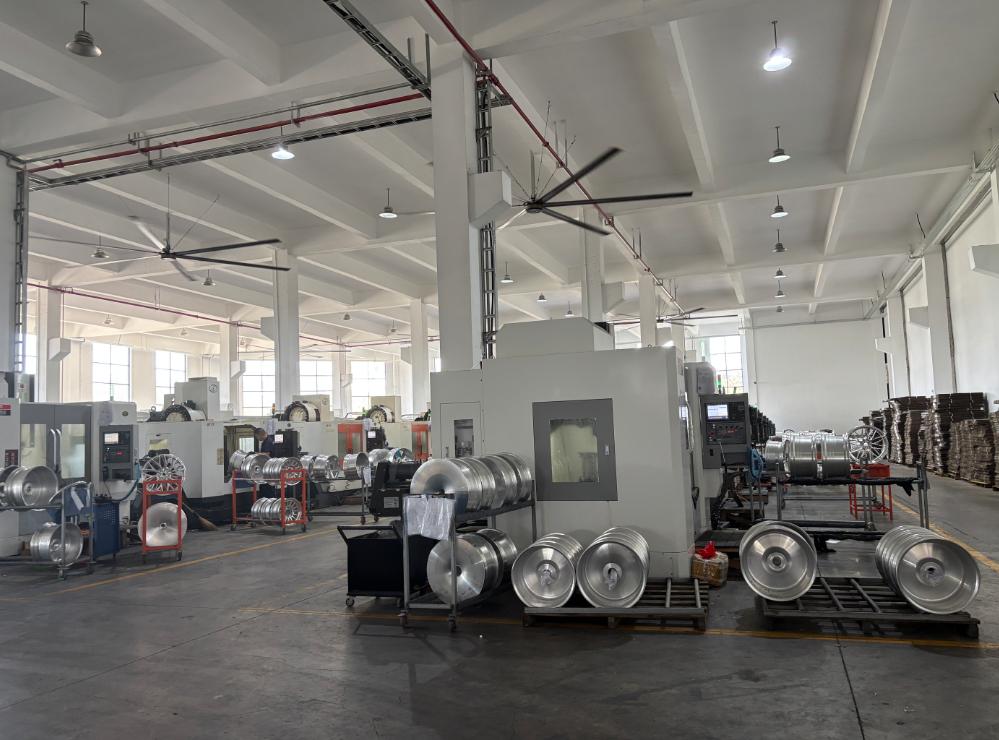
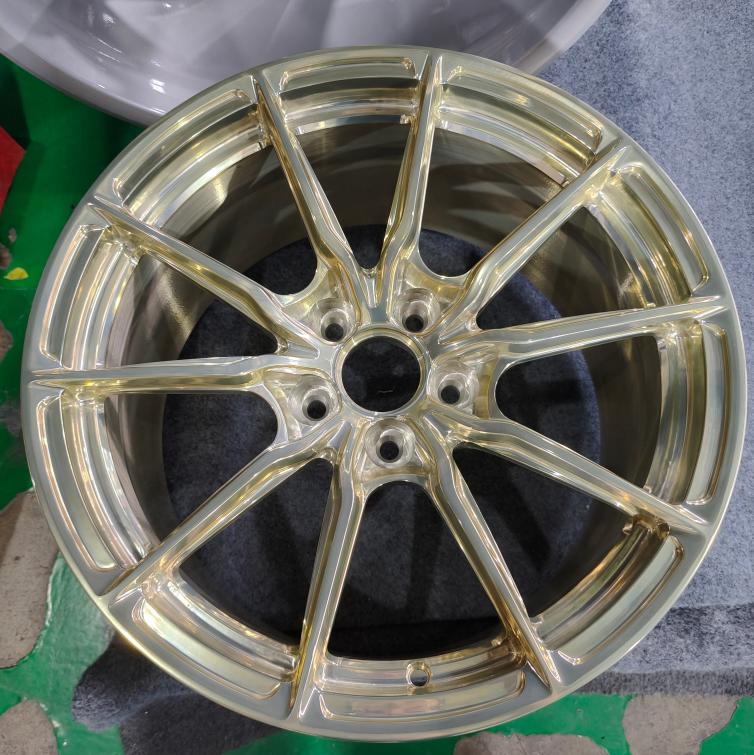
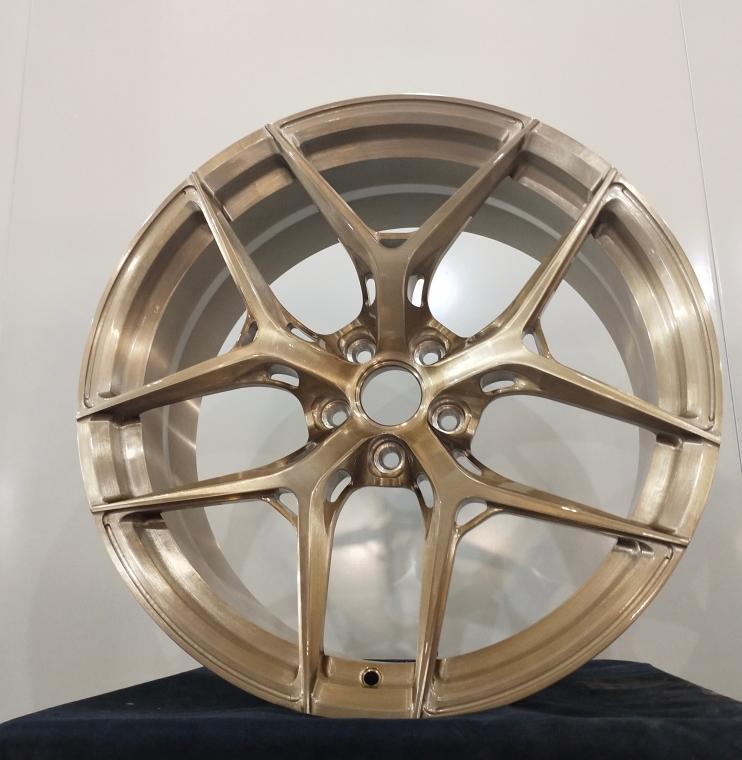
Rimpower forged car wheels


Rimpower provide customized forged wheels,like monoblock, two-piece and three piece which could fit different cars. Don't hesitate to send the enquiry.


...