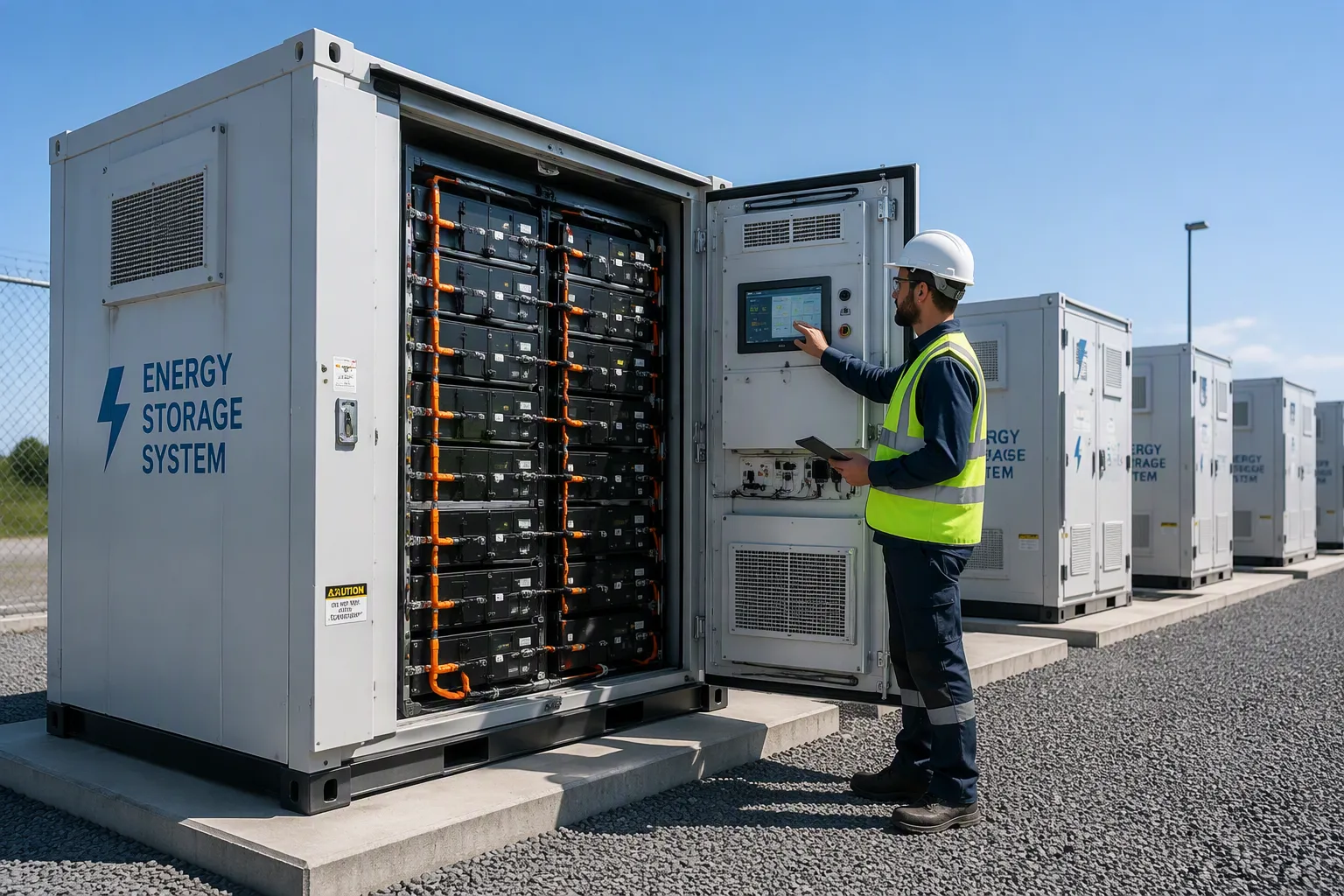
You must address eight requirement categories for every battery storage enclosure: type, materials, thermal management, fire safety, environmental protection, electrical safety, compliance, and testing. These protect cell integrity, personnel, and performance. Meeting them ensures insurability, permits, and market access. XIAMEN HUAPUSHENG SHEET METAL MANUFACTURING CO., LTD. designs pre-certified, rugged, plug-and-play enclosures that accelerate deployment. Treat these requirements as a checklist from day one to avoid costly redesigns and certification delays.
Key Takeaways
-
You must meet eight key requirements for battery storage enclosures. These requirements cover type, materials, thermal management, fire safety, environmental protection, electrical safety, compliance, and testing.
-
Fire safety and thermal management are the most critical areas. They protect battery cells and prevent dangerous events like thermal runaway.
-
Pre-certified enclosures from HPS save time and reduce risk. They meet major standards like UL 9540 and NFPA 855, speeding up your project approvals.
Battery Storage Enclosure Types and Selection Criteria
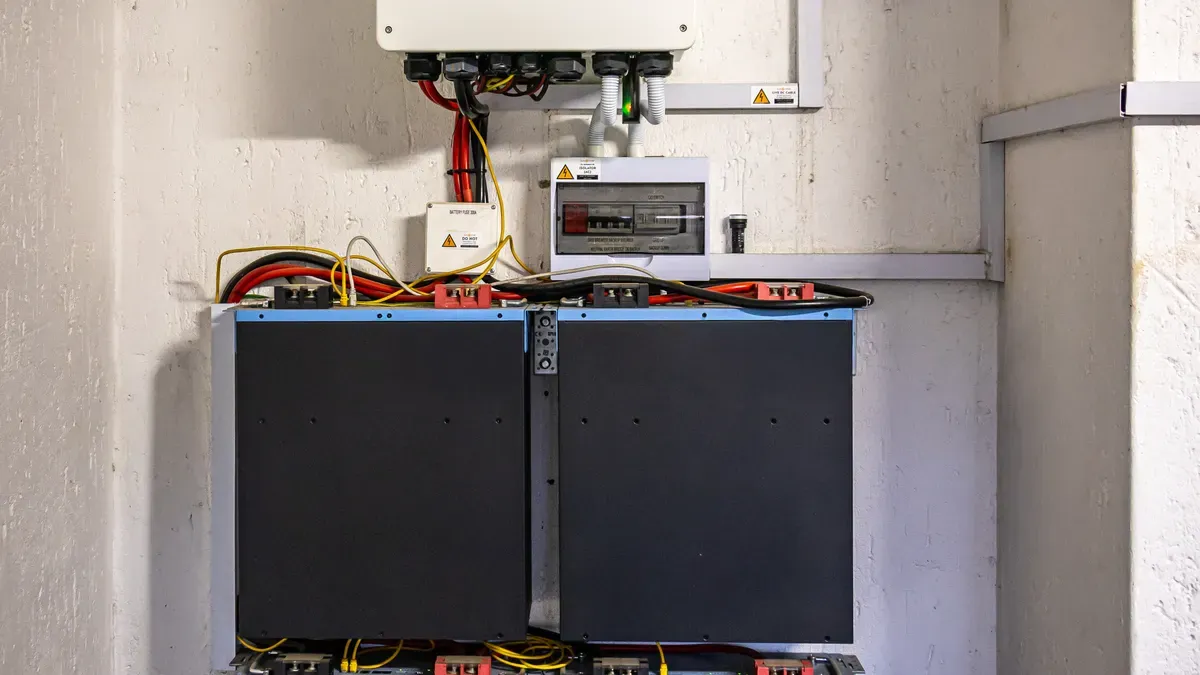
You determine your Battery Storage Enclosure type based on system capacity, site location, and operational priorities. Each configuration serves a specific role in the energy storage ecosystem.
Cabinet, Container, and Shelter Configurations
The three primary form factors address distinct capacity ranges and installation scenarios:
|
Tier |
Capacity Range |
Form Factor |
|---|---|---|
|
Small Commercial & Industrial |
100–500 kWh |
Outdoor cabinet or indoor stack |
|
Mid Commercial & Industrial |
500 kWh – 5 MWh |
Multi-cabinet or compact container |
|
Large C&I / Utility-Edge |
5 MWh and above |
Containerized modular (20-ft or 40-ft) |
Cabinet enclosures work well for smaller applications where footprint matters. Containerized systems offer modular growth for utility-scale projects. HPS manufactures both cabinet and container configurations with integrated thermal management and fire suppression.
Indoor vs Outdoor Installation Factors
Your installation environment directly affects material choices and protection requirements. Outdoor enclosures require high ingress protection ratings, UV-stable coatings, and active thermal control systems. Indoor installations reduce weather exposure but demand proper ventilation and floor-loading compliance. Evaluate ambient temperature range, solar radiation, and seismic conditions for your specific site.
Matching Enclosure Type to System Size
System capacity drives your enclosure selection. Applications below 500 kWh typically fit inside cabinet or stack designs. For deployments of 5 MWh and above, containerized solutions deliver better economics and integration. Consider this fully integrated example:
String-Type PCS Containerized System: a fully integrated BESS combining high-density lithium battery storage, string-type PCS, medium-voltage transformation, EMS, fire safety, thermal management, and SCADA — delivered as a turnkey containerized unit rated at 2.5 MW / 5 MWh.
HPS pre-certifies these containerized systems to UL 9540 and NFPA 855 standards, reducing your project risk and approval timeline.
Battery Storage Enclosure Material and Construction Requirements
You select materials that balance strength, weight, and corrosion resistance for your battery storage enclosure. Steel, aluminum, and composite options each offer distinct advantages depending on your site conditions and structural demands.
Steel, Aluminum, and Composite Options
Steel provides a baseline structural material with high durability. Aluminum delivers roughly 40% mass savings versus equivalent steel designs. Composite materials offer custom thermal and dielectric properties for specialized applications. Consider these differences when you specify your enclosure:
|
Property |
Steel |
Aluminum |
|---|---|---|
|
Density |
7.8–8 g/cm³ |
~2.71 g/cm³ (about one-third of steel) |
|
Weight-to-strength advantage |
Baseline structural material |
~40% mass savings vs. equivalent steel designs |
|
Corrosion resistance |
Rust-prone; requires galvanized layers and E-coat |
Naturally forms protective oxide layer |
Aluminum also brings key benefits for coastal installations:
-
Aluminum density is approximately 2.71 g/cm³, about one-third the weight of steel, contributing to a high strength-to-weight ratio for structural integrity at reduced mass.
-
Aluminum forms a thin protective aluminum oxide layer when exposed to oxygen, providing corrosion resistance without heavy coatings or galvanized treatments required by steel.
-
Aluminum maintains protective qualities through repeated recycling cycles even after environmental exposure.
XIAMEN HUAPUSHENG SHEET METAL MANUFACTURING CO., LTD. engineers enclosure materials to match your project's weight, strength, and corrosion profile.
Structural Integrity and Seismic Ratings
Your enclosure must withstand seismic events, wind loads, and vibration during transport. Structural analysis confirms your design meets local building codes. Reinforced frames and anchor points protect internal components during high-stress conditions.
Corrosion Resistance and Coating Systems
Coastal and industrial environments accelerate material degradation. Steel requires galvanized layers, E-coat, and double sealing. Aluminum needs electrical insulation when contacting dissimilar metals to prevent galvanic corrosion. XIAMEN HUAPUSHENG SHEET METAL MANUFACTURING CO., LTD. applies multi-layer coating systems that extend enclosure service life in harsh environments.
Thermal Management Requirements for Battery Storage Enclosures
Battery cells generate heat during charge and discharge cycles. You must remove that heat to protect cell chemistry, extend cycle life, and prevent thermal runaway. A well-designed thermal management system keeps every cell within its optimal operating window, typically between 15°C and 35°C. Your battery storage enclosure must handle three thermal challenges: heat removal, temperature uniformity, and seasonal extremes.
Active Cooling: HVAC and Liquid Cooling
Active cooling systems use mechanical equipment to move heat away from battery modules. You choose between air-based HVAC units and liquid cooling loops based on your power density and climate.
HVAC cooling works well for lower-density cabinet systems. These units mount on the enclosure wall or roof and circulate conditioned air across battery modules. You size the HVAC capacity based on peak heat generation, ambient temperature, and solar gain. A typical 500 kWh cabinet might need 10–15 kW of cooling capacity in hot climates. HVAC systems offer simple maintenance and proven reliability. They also consume auxiliary power, which reduces round-trip efficiency.
Liquid cooling delivers superior thermal performance for high-density containerized systems. Cold plates attach directly to battery modules and circulate a glycol-water mixture. This approach removes heat at the source and achieves tighter temperature control. Liquid cooling supports higher continuous power output and faster charge rates. The table below compares these two active cooling methods:
|
Factor |
HVAC Air Cooling |
Liquid Cooling |
|---|---|---|
|
Typical heat removal capacity |
5–30 kW per unit |
30–100+ kW per loop |
|
Temperature control precision |
±3–5°C across modules |
±1–2°C across modules |
|
Auxiliary power consumption |
Moderate to high |
Lower per kW removed |
|
Maintenance complexity |
Low |
Moderate (pump, fluid checks) |
|
Best fit |
Cabinets, moderate density |
Containers, high density |
HPS integrates both HVAC and liquid cooling options into its pre-certified enclosures. You select the cooling architecture that matches your project requirements.
Passive Cooling and Airflow Design
Passive cooling reduces auxiliary power consumption and improves system reliability. You rely on natural convection, strategic vent placement, and thermal mass to manage heat without mechanical equipment.
Airflow design determines passive cooling effectiveness. You position intake vents low and exhaust vents high to create a chimney effect. Internal baffles guide air across hot spots. Battery modules arrange in rows with adequate spacing to prevent heat pockets. Computational fluid dynamics (CFD) modeling helps you optimize these patterns before construction.
Phase change materials (PCMs) offer another passive option. These materials absorb heat during peak generation and release it during cooler periods. PCM integration works best in moderate climates with large day-night temperature swings. You gain thermal buffering without added power draw.
Passive cooling has limits. High ambient temperatures and high power densities require active support. Most containerized systems combine passive airflow paths with active cooling for redundancy. HPS designs enclosures with hybrid thermal strategies that maximize passive cooling and minimize active runtime.
Temperature Uniformity Across Cell Modules
Temperature uniformity directly affects battery pack performance and lifespan. Cells at different temperatures age at different rates. A 5°C difference across a module can reduce pack capacity by 10% over its service life.
You achieve uniformity through careful module placement and coolant distribution. In liquid-cooled systems, parallel flow paths ensure equal coolant delivery to every cold plate. Series flow creates temperature gradients that harm downstream modules. You balance flow rates and monitor pressure drops across the loop.
Air-cooled systems require diffusers and plenums to distribute conditioned air evenly. You avoid direct blasting of cold air onto specific modules. Instead, you create a uniform air curtain that sweeps across the entire battery bank.
Sensor placement matters for verification. You install temperature sensors on multiple modules, not just at the inlet and outlet. This data feeds into your battery management system (BMS) and energy management system (EMS). The BMS adjusts charge and discharge rates when it detects temperature imbalances.
A maximum temperature differential of 3°C across all modules represents best practice for lithium-ion battery storage enclosures.
HPS validates temperature uniformity through factory testing before shipment. You receive documented thermal performance data that supports your permitting and insurance requirements.
Fire Safety and Suppression for Battery Storage Enclosures
Fire safety stands as the most critical requirement for any lithium-ion energy storage system. You must design an enclosure that detects hazards early, suppresses fires effectively, and manages dangerous gas accumulations. These three subsystems work together to protect personnel, equipment, and surrounding property.
Fire Detection and Alarm Systems
Early detection gives you the best chance to prevent thermal runaway propagation. You need sensors that identify multiple fire signatures before a cell failure escalates. Modern detection systems monitor temperature, smoke, gas composition, and particulate matter simultaneously.
Place temperature sensors at the module level, not just at the enclosure inlet and outlet. Each battery module should have at least one thermocouple integrated into the BMS. These sensors detect abnormal heat rise within seconds. You program the BMS to trigger alarms at 60°C and immediate shutdown at 80°C threshold temperatures.
Gas detectors serve a different purpose. They identify the unique compounds released during cell venting. Common target gases include hydrogen, carbon monoxide, and volatile organic compounds. Hydrogen sensors provide particular value because hydrogen accumulates quickly and poses explosion risk. You need detectors at the highest point inside the enclosure since hydrogen rises.
Your detection system must connect to a dedicated fire alarm control panel. The panel communicates with facility fire alarm systems and remote monitoring centers. It activates suppression, cuts power to affected modules, and alerts emergency responders. NFPA 855 requires detection systems that meet UL 864 or equivalent standards.
HPS integrates multi-criteria detection arrays into every Battery Storage Enclosure. You receive factory-calibrated sensors and a pre-tested alarm logic sequence that meets UL 9540 requirements.
FAQ
What certifications should a battery storage enclosure have?
You need UL 9540 for product safety, NFPA 855 for fire protection, and IEC 62933 for international markets. XIAMEN HUAPUSHENG SHEET METAL MANUFACTURING CO., LTD. delivers pre-certified enclosures that meet all three standards.
How do you prevent thermal runaway in a battery storage enclosure?
You combine early gas detection, multi-agent suppression, and deflagration venting. XIAMEN HUAPUSHENG SHEET METAL MANUFACTURING CO., LTD. integrates these systems as standard features in every enclosure.
How long does enclosure certification take?
Testing typically spans eight to sixteen weeks. XIAMEN HUAPUSHENG SHEET METAL MANUFACTURING CO., LTD. pre-certified enclosures eliminate this delay and accelerate your project timeline.